The Sound of Survival
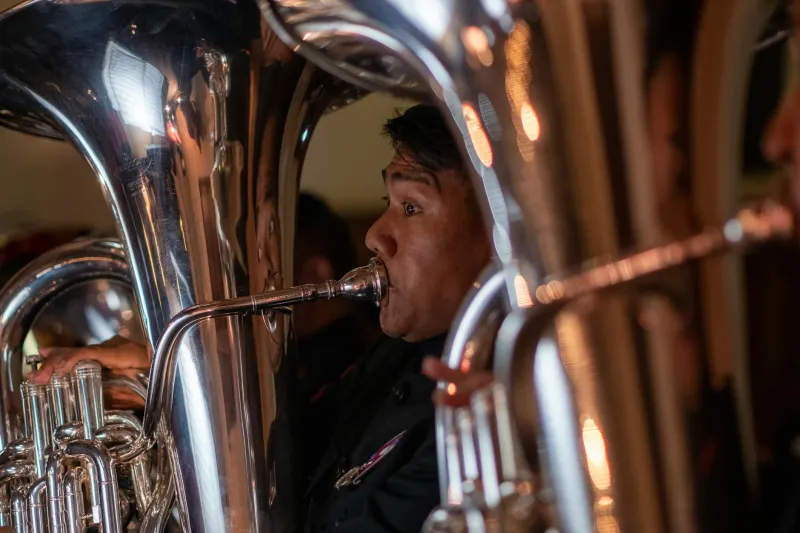
There's something almost defiant about the way a brass band rehearses on a Tuesday night in a draughty Methodist hall in Barnsley. The heating's been dodgy since 1987, the roof leaks when it rains, and the sheet music looks like it's survived two world wars – because it probably has. Yet every week, thirty-odd people gather with instruments that cost more than most cars to play music that their great-grandfathers would recognise.
This isn't nostalgia. This is cultural archaeology in real time.
More Than Music
Brass bands in Britain have always been about more than just playing tunes. They emerged from the Industrial Revolution as a way for working communities to create something beautiful amidst the smoke and grime. What's remarkable is how they've evolved from those origins without losing their essential character.
Walk into any brass band rehearsal today and you'll find retired miners sitting next to NHS nurses, teenagers fresh from music college alongside pensioners who've been playing the same cornet for forty years. The music might be centuries old, but the community it creates is utterly contemporary.
Take the Grimethorpe Colliery Band – probably Britain's most famous brass ensemble thanks to "Brassed Off" and "The Full Monty". When the pit closed in 1993, the band could have died with it. Instead, they reinvented themselves as cultural ambassadors, carrying the memory of their community far beyond the Yorkshire coalfields. They're not museum pieces; they're living proof that working-class culture doesn't need preserving in aspic to survive.
The Unlikely Venues
The venues tell their own stories. Salvation Army citadels with their faded biblical quotes on the walls. Working men's clubs where the bar serves warm bitter and the walls are lined with photographs of bands from the 1920s. Community centres that smell of instant coffee and industrial carpet cleaner.
These aren't glamorous spaces, but they're authentic ones. There's no pretence here, no marketing department trying to make brass bands "relevant" to younger audiences. The music speaks for itself, and the spaces where it's played reflect the unpretentious nature of the tradition.
The Whit Friday Phenomenon
If you want to understand the cultural significance of brass bands, spend a Friday night in late May or early June in Saddleworth. Whit Friday – the "brass band Olympics" – sees over 100 bands march through villages across the Pennines, playing the same test piece over and over as crowds gather in pub gardens and outside chip shops.
It's simultaneously the most British thing you'll ever see and utterly surreal. Imagine a musical version of the World Cup, but instead of football stadiums, it's happening outside the Co-op in Dobcross. The crowds know the difference between a good performance and a great one, and they're not shy about showing their appreciation.
Beyond the Bandstand
The seaside bandstand might be the most visible symbol of Britain's brass band tradition, but it's also the most misleading. Those Sunday afternoon concerts in Eastbourne or Llandudno represent just the tip of the iceberg. The real action happens in the less photogenic venues – the rehearsal rooms, the regional contests, the annual general meetings where arguments about repertoire can last longer than the actual concerts.
This is where the tradition really lives and breathes. Not in the heritage tourism of Victorian bandstands, but in the weekly commitment of ordinary people who believe that making music together matters.
The Digital Paradox
In an age where any song ever recorded is available at the touch of a screen, brass bands represent something different: the irreplaceable value of live, communal music-making. You can't stream a brass band rehearsal. You can't download the experience of sitting in a draughty hall learning to play "Jerusalem" with thirty other people.
This isn't Luddism – many bands have embraced social media and online fundraising. But they've done so without losing sight of what makes them special: the physical act of people coming together to create something bigger than themselves.
The Next Movement
Britain's brass bands aren't stuck in the past, but they're not abandoning it either. They're doing something more interesting: they're proving that tradition and innovation aren't opposites. New compositions sit alongside Victorian hymns in their repertoires. Young players learn from old masters who learned from their old masters.
The hymnal might be battered, and the heating might be broken, but the music plays on. In an increasingly fragmented world, that consistency matters more than ever. These bands aren't just preserving working-class heritage – they're proving it's still worth preserving.