DIY or Die: The Creative Revolution Happening in Britain's Home Studios
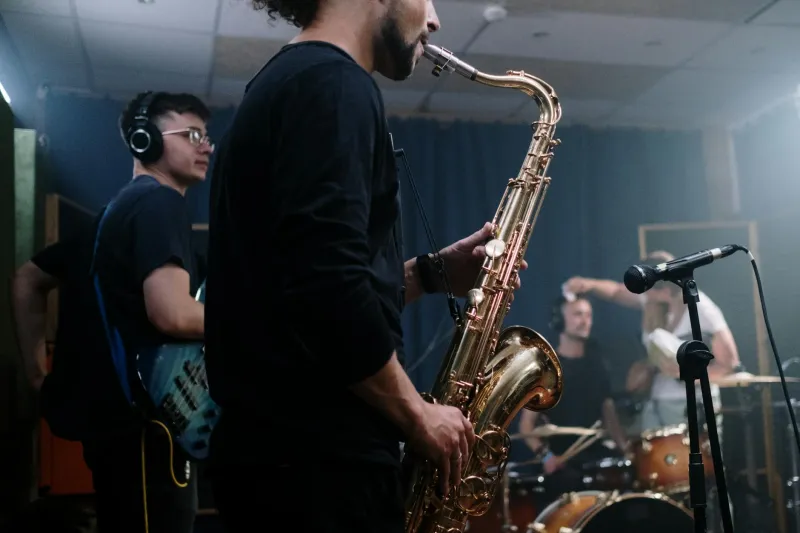
There's something magical happening in bedrooms, garages, and spare rooms across Britain right now. While major labels continue their endless hunt for the next manufactured pop sensation, a quietly determined army of independent musicians is building something far more authentic from the ground up.
The New Sound of Self-Sufficiency
Walk through any residential street in cities like Leeds, Bristol, or Glasgow these days, and you're likely to hear the muffled sounds of creativity seeping through thin walls. Behind those doors, artists like Arlo Parks (who started recording on her phone), Loyle Carner (who began in his mum's kitchen), and countless others you've yet to discover are crafting the soundtrack to modern Britain.
The statistics tell a compelling story. According to the Musicians' Union, over 60% of working musicians in the UK now operate as completely independent artists, compared to just 30% a decade ago. This isn't just about economics—though the democratisation of recording technology has certainly helped. It's about creative control, artistic integrity, and the freedom to fail on your own terms.
Tools of the Trade: How Technology Levelled the Playing Field
Remember when making a professional-sounding record required months in expensive studios and a small army of engineers? Those days feel prehistoric now. Today's bedroom producers are armed with software like Logic Pro, Ableton Live, and even free options like GarageBand that would have cost thousands just twenty years ago.
Take someone like Cavetown, the indie-pop sensation who started recording in his Cambridge bedroom at age 14. Using nothing more than a basic audio interface and some clever microphone placement, he's built a global following that spans continents. His story isn't unique—it's becoming the norm.
The pandemic accelerated this trend dramatically. When traditional venues shuttered and studio bookings became impossible, musicians had no choice but to turn inward. What many discovered was liberating: they didn't need anyone else's permission to create.
Building Tribes, Not Just Fanbases
What strikes me most about today's independent British artists isn't just their technical prowess—it's their understanding of community. These musicians aren't trying to appeal to everyone; they're building devoted tribes of listeners who genuinely connect with their message.
Self-releasing artists like Phoebe Green from Manchester or Working Men's Club from Todmorden have mastered the art of direct fan engagement. They're not just selling music; they're selling authenticity, accessibility, and a sense of belonging that major label machinery often struggles to replicate.
Social media plays a huge role here, obviously. But it's not about viral TikTok dances or manufactured moments. The most successful independent artists use platforms like Instagram and Twitter to offer genuine glimpses into their creative process, their struggles, and their victories. Fans feel invested because they are invested—they've been part of the journey from the beginning.
The Economics of Independence
Let's be honest about the financial realities. Going independent isn't a guaranteed path to riches. Most indie artists supplement their music income with day jobs, teaching, or other creative work. But here's what they gain in return: ownership of their masters, control over their artistic direction, and the ability to keep a much larger percentage of their earnings.
Streaming has complicated this picture, certainly. Spotify payouts remain frustratingly low for most artists. But savvy independents have diversified their revenue streams in ways that would make any business consultant proud. They're selling vinyl directly to fans, offering exclusive content through platforms like Bandcamp and Patreon, and building merchandise lines that feel authentic rather than corporate.
The vinyl revival has been particularly kind to independent artists. Record stores across Britain report that local, independent releases often outsell major label products. There's something beautifully circular about this—music returning to its physical, tactile roots just as digital technology makes creation more accessible than ever.
What This Means for British Music Culture
This independent revolution isn't just changing how music gets made—it's changing what music gets made. Without A&R departments breathing down their necks or focus groups dictating their sound, British artists are exploring territories that major labels might consider too risky.
The result is a musical landscape that feels more diverse, more honest, and more representative of what Britain actually sounds like in 2024. We're hearing voices from communities that have traditionally been overlooked, stories that don't fit neat marketing categories, and sounds that defy easy classification.
This matters culturally because music has always been one of Britain's most successful exports. But our best musical moments—from The Beatles to punk to grime—have come from artists who refused to play by the established rules. Today's bedroom revolutionaries are continuing that tradition, just with better Wi-Fi.
Looking Forward: The Future of British Independence
As I write this, I'm listening to a playlist of British artists who've never set foot in a major label office. The quality is extraordinary, the diversity stunning, and the passion undeniable. These musicians aren't just making music; they're making a statement about what creativity can be when it's freed from corporate constraints.
The major labels aren't going anywhere, of course. They still have resources and reach that independent artists can only dream of. But they're no longer the only game in town, and that's made all the difference.
For young musicians starting out today, the message is clear: you don't need permission to begin. You don't need a record deal to be legitimate. You just need songs, determination, and the courage to put yourself out there.
The bedroom-to-bandstand pipeline is real, it's thriving, and it's reshaping British music one home recording at a time. The question isn't whether this movement will continue—it's whether the rest of the industry will be smart enough to learn from it.