The Keeper of Keys
Every Tuesday at 7 AM sharp, Margaret Thornley unlocks the heavy oak doors of Wickham Village Hall, her breath visible in the morning chill. At 68, she's been the hall's caretaker for nearly two decades, arriving before the cleaners, before the committee meetings, before anyone else thinks to check whether the heating's working or the stage lights need new bulbs.
 Photo: Wickham Village Hall, via d2d6nee8hswz6i.cloudfront.net
"People see the performances," she says, adjusting a wobbly chair in the third row, "but they don't see the three hours I spent yesterday fixing the sound system with gaffer tape and a prayer."
Margaret represents a vanishing breed. Across rural Britain, village halls depend on individuals like her—part custodian, part electrician, part miracle worker—who ensure these cultural lifelines remain functional. Yet as halls close and volunteers age out of service, the question looms: who will replace them?
More Than Just a Job
The role of a village hall caretaker extends far beyond traditional maintenance. These individuals become the institutional memory of their venues, knowing which floorboard creaks during dramatic monologues and exactly how to coax the temperamental spotlight into cooperation.
Jim Patterson, who's overseen Bramblewick Community Centre for 15 years, describes his duties with characteristic understatement: "Bit of everything, really. Yesterday I was a plumber, today I'm rigging lights for the amateur dramatics, tomorrow I'll probably be chasing pigeons out of the rafters."
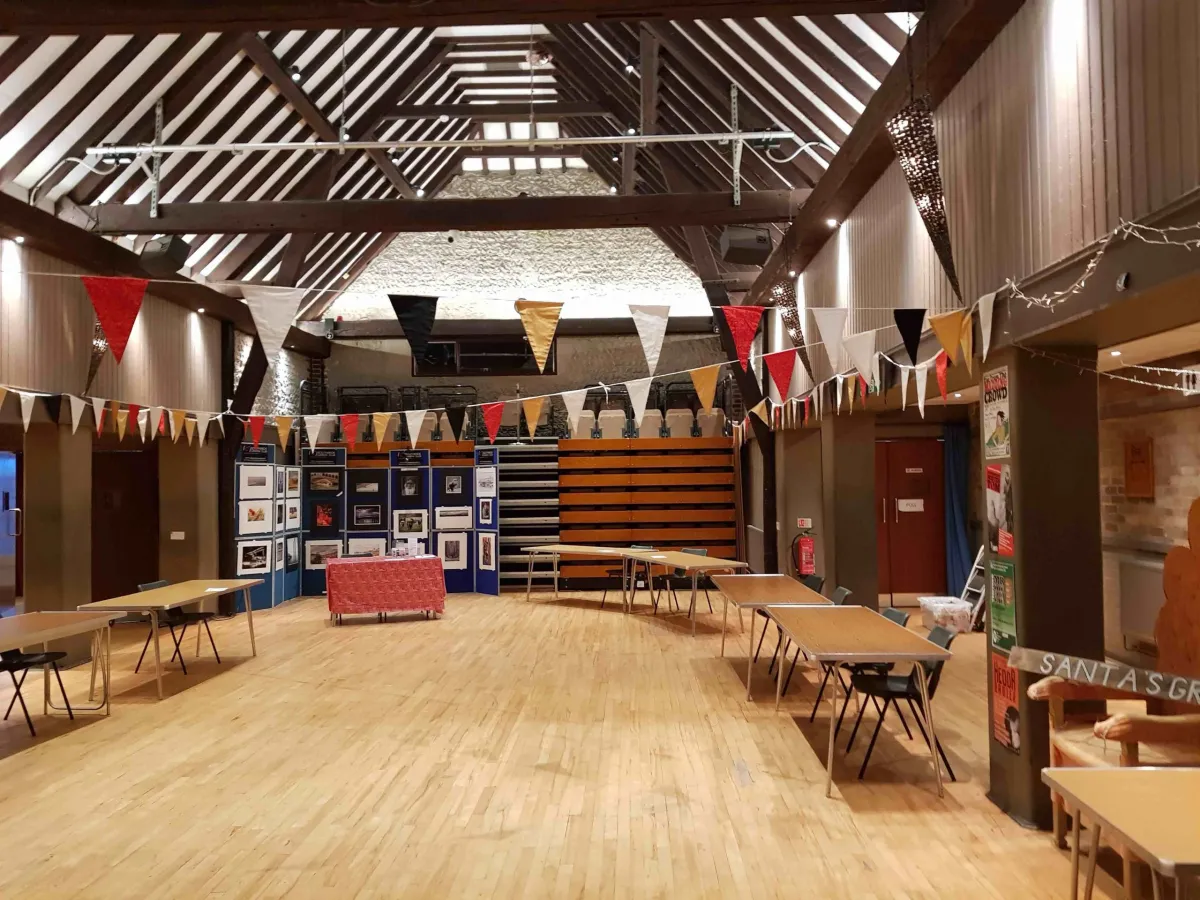 Photo: Bramblewick Community Centre, via southwickcommunitycentre.org.uk
This versatility proves essential in venues operating on shoestring budgets. When the local drama society needs a backdrop hung, or the folk music circle requires the stage reconfigured, these caretakers make it happen—often with resources that would make a professional theatre technician weep.
The Dwindling Numbers
Recent surveys paint a sobering picture. The Rural Community Buildings Association estimates that nearly 40% of village halls struggle to find adequate caretaking support, with many relying on volunteers well into their seventies. The physical demands of the role—lifting heavy equipment, climbing ladders to adjust lighting, working in often poorly heated buildings—make it increasingly challenging for ageing volunteers.
"We've had three people retire in the past five years," explains Sarah Mitchell, chair of the Cotswold Villages Hall Network. "Each time, finding a replacement becomes harder. Younger people have different commitments, different expectations about work-life balance."
The financial constraints don't help. Most halls can afford only part-time positions with modest pay, making the roles less attractive to those seeking full-time employment. Many caretakers supplement their income with other work, treating hall maintenance as a labour of love rather than a career.
When the Lights Go Out
The consequences of losing these dedicated individuals extend beyond simple maintenance issues. Village halls serve as cultural anchors in communities where other gathering spaces have disappeared—the local pub closed, the post office relocated, the church congregation dwindled.
"When our caretaker retired last year, bookings dropped by half," admits Tom Bradley, treasurer of Millfield Village Hall. "Groups couldn't rely on the facilities being properly set up. The heating failed during a children's party because nobody knew how to restart the boiler. Word gets around quickly in a small community."
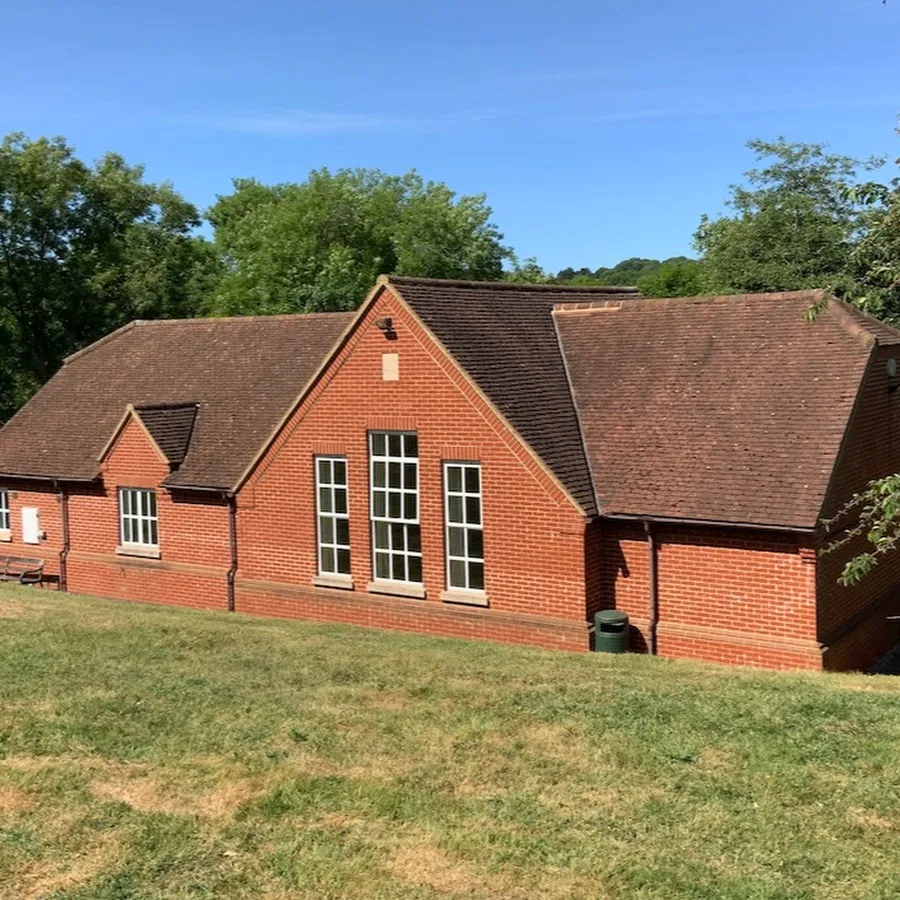 Photo: Millfield Village Hall, via yt3.googleusercontent.com
Some halls have tried sharing caretakers between venues, but this often proves impractical given the personalised knowledge required for each building's quirks and requirements. Others have attempted to distribute responsibilities among user groups, with mixed success.
Innovation and Adaptation
Not all venues are resigned to decline. Some halls have embraced technology to reduce maintenance burdens—installing smart heating systems that can be controlled remotely, or LED lighting that requires less frequent replacement. Others have restructured their operations, creating caretaker collectives where responsibilities are shared among several part-time volunteers.
The Pennine Halls Initiative has pioneered a training programme that teaches basic maintenance skills to committee members and regular users. "We can't replace dedicated caretakers," explains coordinator David Walsh, "but we can reduce their workload by ensuring more people understand the basics."
A Cultural Lifeline
Perhaps the most compelling argument for supporting these venues lies in what they enable. Village halls host everything from toddler music groups to pensioner tea dances, from amateur theatrical productions to folk music sessions. They provide affordable rehearsal space for local bands and accessible venues for community celebrations.
"Without our hall, where would the village Christmas concert happen?" asks Margaret Thornley, straightening the curtains that frame Wickham's modest stage. "Where would children perform their first songs, or teenagers discover they love acting?"
The Path Forward
Saving Britain's village hall culture requires recognising that caretakers are cultural workers, not just maintenance staff. Some councils have begun offering small grants specifically for caretaker training and equipment upgrades. Others have explored partnerships with local colleges, creating apprenticeship programmes that combine practical skills with cultural awareness.
The most successful initiatives seem to blend traditional dedication with modern support systems. When caretakers feel valued—through fair compensation, proper training, and recognition of their cultural contribution—venues thrive.
As Margaret locks up Wickham Village Hall after another successful evening of local theatre, she reflects on her role: "I'm not just keeping a building running. I'm keeping a community's heart beating."
That heart depends on people like her. The question is whether Britain will find ways to keep it beating when she's gone.