The Unsung Heroes Behind the Bar
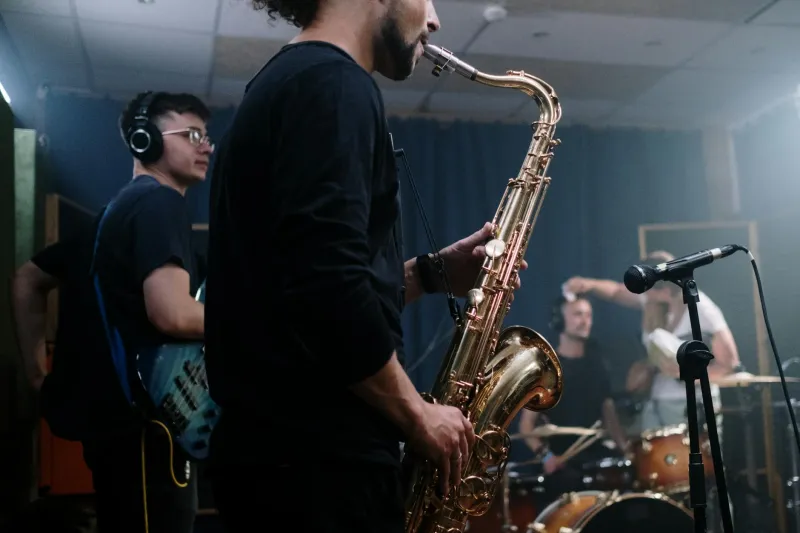
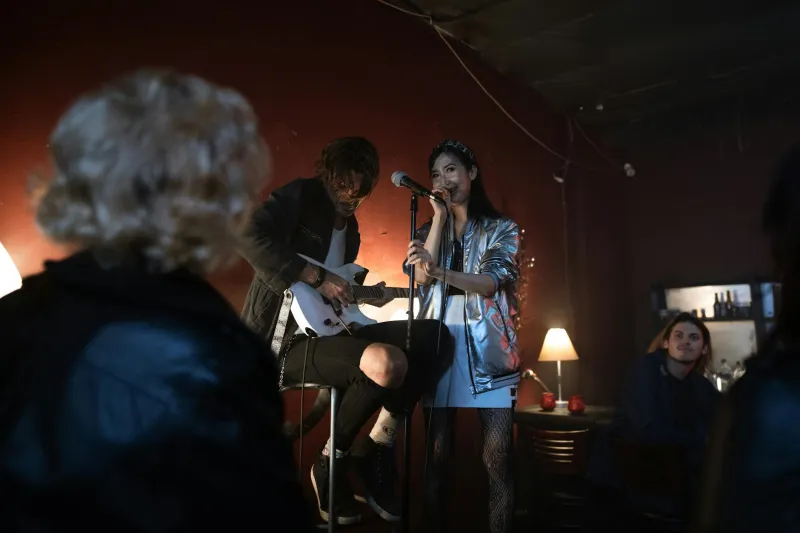
There's something beautifully British about discovering your next favourite band squeezed between a fruit machine and someone's nan nursing her third gin and tonic. While major venues chase headliners and festivals court corporate sponsors, the nation's pubs quietly maintain their role as Britain's most accessible talent incubator.
Mark Thompson, landlord of The Crown in Sheffield, has watched this ecosystem flourish for nearly two decades. "We've had everyone from nervous teenagers with acoustic guitars to proper bands who've gone on to support major acts," he explains, polishing glasses as sound check echoes from the back room. "The beauty is, there's no pretension here. If you're good, the punters will listen. If you're not, well, they'll tell you that too."
The Democracy of the Sticky Floor
Unlike the sterile audition processes of talent shows or the algorithm-driven playlists of streaming platforms, pub gigs offer something increasingly rare: genuine human reaction. There's no hiding behind production values or marketing budgets when you're performing three feet from someone's pint.
Sarah Mitchell, who fronts indie outfit The Borrowed Time, credits her band's breakthrough to a residency at a Nottingham boozer. "We played the same pub every Thursday for six months," she recalls. "Started with just the bar staff listening, ended with people queuing outside. That taught us more about performing than any music college ever could."
This grassroots apprenticeship system has produced some of Britain's most authentic voices. Arctic Monkeys famously honed their craft in Sheffield pubs before conquering the world. Ed Sheeran busked and played tiny venues across Suffolk. Even Adele cut her teeth in London's pub circuit before global domination.
The Economics of Encouragement
For cash-strapped publicans, hosting live music isn't always about profit margins. Many venues operate on razor-thin budgets, yet continue booking unsigned acts for nominal fees or even just exposure. The calculation is simple: live music creates atmosphere, atmosphere draws customers, customers buy drinks.
"We might only charge a fiver on the door, and the band gets most of that," admits Jenny Walsh, who runs The Railway Tavern in Bristol. "But those nights when we have live music, the bar takings are always higher. People stay longer, drink more, bring friends. It's a win-win."
This symbiotic relationship extends beyond economics. Regular punters become invested in local bands' journeys, creating a support network that streaming services can't replicate. When The Borrowed Time secured their first festival slot, half of their Nottingham pub crowd made the journey to cheer them on.
Challenges in the Digital Age
Yet this traditional ecosystem faces mounting pressures. Rising business rates, noise complaints from residential developments, and complex licensing requirements create administrative headaches for already-stretched landlords. The pandemic dealt a particularly brutal blow, with many music pubs closing permanently.
Streaming culture presents a different challenge. Why leave the house to hear unsigned bands when Spotify offers unlimited access to established artists? The answer, according to veteran musician Tom Bradley, lies in the irreplaceable nature of live performance.
"There's magic in being three pints deep, watching someone pour their heart out on a makeshift stage," he argues. "You might witness something special – a song that becomes a hit, a performance that changes someone's life. You can't get that from your earbuds."
The New Generation of Pub Promoters
A fresh wave of music enthusiasts is breathing new life into pub venues. These aren't traditional landlords but passionate advocates who understand both the heritage and potential of grassroots music.
Liam Foster runs a monthly showcase at three different pubs across Manchester, creating a circuit for emerging artists. "Each venue has its own character, its own crowd," he explains. "Bands get to test material in different environments, build followings across the city. It's like having your own mini-tour without leaving Greater Manchester."
Social media has revolutionised how these events reach audiences. Where once promotion relied on photocopied flyers and word-of-mouth, Facebook events and Instagram stories can fill a pub back room within hours of announcement.
The Survival Strategy
The most successful music pubs have adapted without losing their soul. The George Tavern in London's East End streams performances online while maintaining its intimate atmosphere. The Joiners Arms in Southampton offers professional recording of pub gigs, giving bands high-quality demos alongside performance experience.
These innovations preserve the core appeal – accessibility, authenticity, community – while embracing modern possibilities. The result is venues that serve both nostalgic music lovers and digitally-native performers.
Last Orders, New Beginnings
As Britain's cultural landscape continues evolving, the humble music pub remains remarkably resilient. Perhaps it's the democratic nature of the format, where talent trumps connections. Maybe it's the human need for genuine, unmediated experience in an increasingly digital world.
Whatever the reason, these sticky-floored sanctuaries continue nurturing the next generation of British musical talent. From first chords to first breaks, the local pub remains where dreams begin – one pint, one song, one sticky floor at a time.
Because in a world of algorithms and auto-tune, sometimes the best talent scout is simply someone who knows good music when they hear it, even over the chatter of the regulars and the ping of the fruit machine.