The Last Refuge of Raw Talent
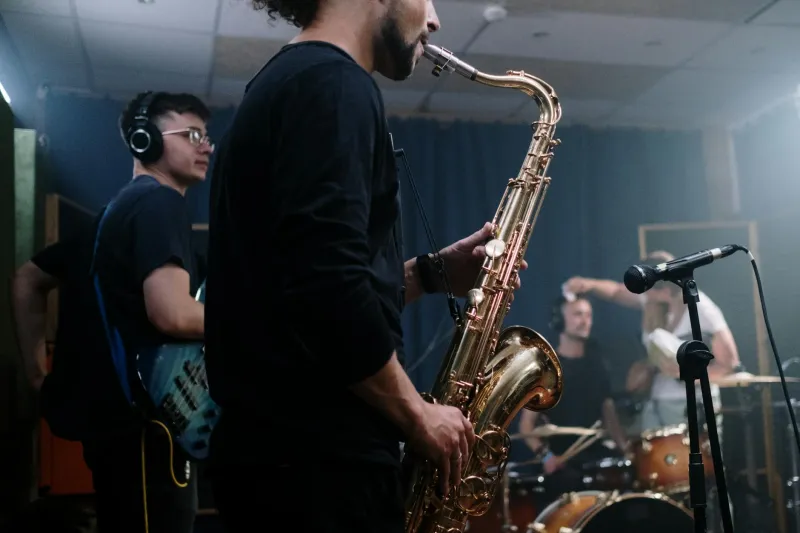
There's something beautifully anarchic about an open mic night. No record label executives lurking in the shadows, no glossy marketing campaigns, just pure, unfiltered music echoing through the sticky-floored sanctuaries of British pub culture. Yet these humble stages, where countless household names first found their voice, are disappearing faster than a pint on a Friday night.
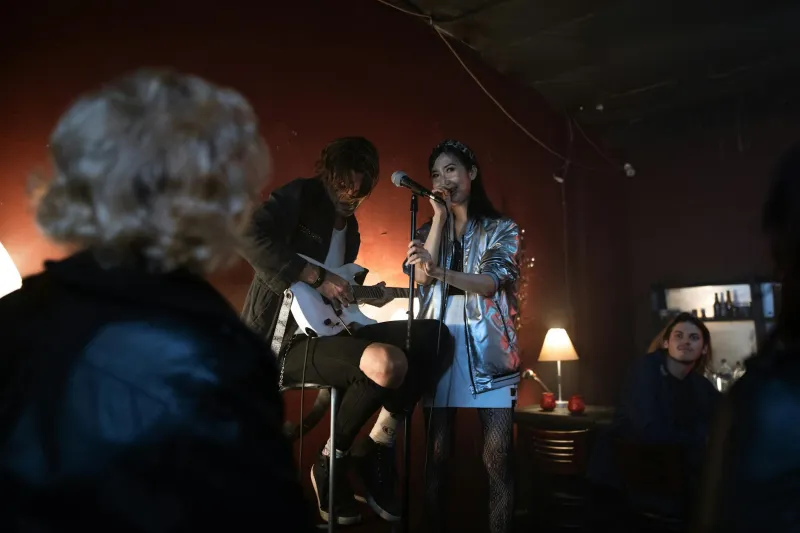
Walk into The Crown & Anchor in Brighton on a Tuesday evening, and you'll witness something increasingly rare: genuine musical democracy in action. Sarah Mitchell has been running their weekly open mic for seven years, watching nervous teenagers transform into confident performers, witnessing middle-aged accountants finally chase their musical dreams, and occasionally spotting the next big thing before anyone else.
"It's not about being perfect," Sarah explains, adjusting the ancient PA system that's seen more performers than most West End venues. "It's about having the courage to stand up and share something real. That's becoming rarer these days."
The Perfect Storm
The challenges facing Britain's open mic circuit read like a musician's worst nightmare. Venue costs have skyrocketed, with many landlords preferring the guaranteed revenue of slot machines over the unpredictable income from live music nights. Noise complaints from increasingly gentrified neighbourhoods have forced countless venues to abandon their musical programming altogether.
Then there's the generational shift. Where once aspiring musicians would brave the stage with nothing but a guitar and determination, today's bedroom producers often prefer the safety of their laptops to the vulnerability of live performance. The instant gratification of streaming platforms and social media has created a culture where polish often trumps authenticity.
"We used to have queues of people wanting to perform," recalls Dave Thompson, who's been organising open mics across the North West for over a decade. "Now I'm lucky if I get eight acts on a good night. But those eight are usually brilliant – it's quality over quantity these days."
Digital Versus Analogue Hearts
The irony isn't lost on anyone involved in the scene. While technology has democratised music creation, making it possible for anyone with a smartphone to record and distribute their songs globally, it's simultaneously undermining the grassroots culture that traditionally nurtured new talent.
Streaming algorithms don't care about the nervous energy of a first-time performer or the communal experience of discovering new music alongside strangers. They can't replicate the magic of hearing a song that moves you to tears in a room full of people who share that exact moment.
Jenny Walsh runs three different open mic nights across London and has noticed the change firsthand. "The performers who do show up are often more polished than they used to be," she observes. "They've practised to backing tracks at home, recorded themselves endlessly. But sometimes they've lost that raw edge, that willingness to fail spectacularly, which is where the real magic happens."
The Survivors
Despite the challenges, pockets of resistance remain scattered across the country. The Wheatsheaf in Oxford continues its legendary Monday night sessions, where everyone from Radiohead members to complete unknowns have shared the same cramped stage. In Glasgow, The Glad Café maintains its reputation as Scotland's most supportive open mic environment, with organisers who remember every regular's name and musical journey.
These venues succeed because they've adapted without compromising their core mission. Many now combine open mics with other events – quiz nights, poetry readings, or themed musical evenings that draw diverse crowds. Some have embraced social media not as a replacement for live performance but as a tool to build communities and promote upcoming nights.
The Ripple Effect
What makes the potential loss of open mic culture particularly tragic is the ripple effect it would create throughout British music. These nights don't just nurture individual performers; they create entire ecosystems of creativity. Sound engineers cut their teeth on wonky PA systems, photographers build portfolios capturing intimate performances, and music journalists often find their first stories in these unassuming venues.
Moreover, open mics serve as informal A&R departments for the industry. Countless professional relationships, collaborations, and even romantic partnerships have blossomed in the green rooms (usually the pub's back garden) of these events. They're networking hubs disguised as musical gatherings.
Fighting for the Future
The organisers keeping this tradition alive aren't doing it for money – most barely break even after covering venue costs and basic equipment maintenance. They're driven by something more valuable: the belief that music should remain accessible, that talent deserves a platform regardless of social media following or industry connections.
Some local councils have begun recognising the cultural value of these events, offering small grants or relaxed licensing arrangements. Music charities occasionally provide equipment upgrades or promotional support. But mostly, it's down to the passion of individuals who understand that Britain's musical heritage depends on maintaining these grassroots foundations.
The Song Remains the Same
As I write this, somewhere in Britain, a teenager is probably standing in front of a microphone for the first time, heart pounding, about to discover whether they have what it takes. In another venue, a seasoned performer might be testing out new material, trusting the audience to be honest but kind. These moments matter more than streaming numbers or social media metrics.
The future of Britain's open mic scene isn't guaranteed, but it's not hopeless either. As long as there are people willing to organise, venues brave enough to host, and performers courageous enough to share their music with strangers, these vital spaces will endure. They have to – because without them, British music loses something irreplaceable: its soul.