When the Sirens Went Silent
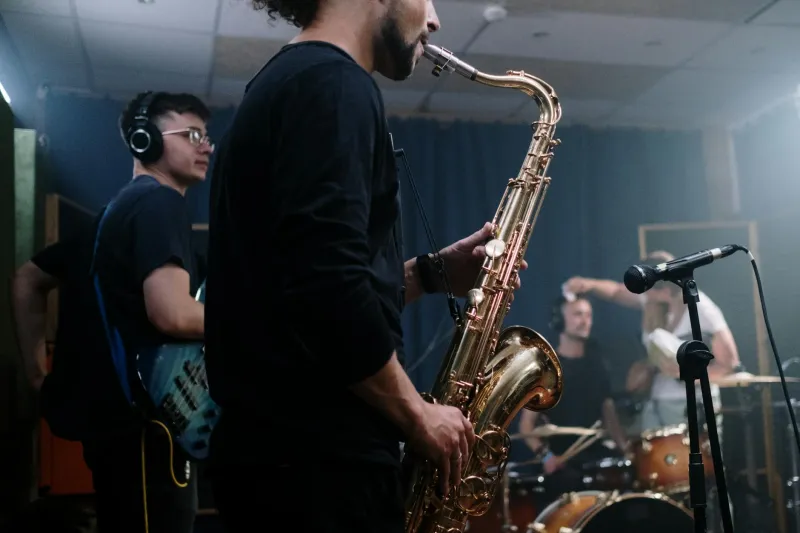
The last shift whistle might have blown decades ago, but walk through Grimethorpe on a Tuesday evening and you'll still hear the sound that defined generations of British working life. Not the clank of machinery or the rumble of coal trucks, but the rich, brassy voice of the Grimethorpe Colliery Band rehearsing in their community centre.
It's a sound that shouldn't exist anymore. When the Conservative government systematically closed Britain's coal mines through the 1980s and 90s, it wasn't just an industry that died – entire communities faced cultural extinction. The colliery bands, those proud musical ambassadors of pit villages from Durham to the Welsh valleys, seemed destined for the same fate as the headframes and winding wheels.
Yet here we are, thirty years on, and these bands haven't just survived – they've bloody thrived.
More Than Music
To understand what makes Britain's colliery bands special, you need to grasp what they represented in their heyday. These weren't just weekend hobbies or social clubs. The brass band was the beating heart of mining communities, funded by colliery owners who recognised that music kept morale high and communities tight-knit.
Every pit had its band. Miners would finish gruelling shifts underground, wash off the coal dust, and gather to rehearse pieces that would make Carnegie Hall weep. The irony wasn't lost on anyone – men who spent their days in darkness creating sounds of pure light.
"My grandfather played cornet for Easington Colliery Band," explains Sarah Mitchell, whose documentary 'Brass Roots' chronicles the post-mining era. "He'd come home black as the ace of spades, but an hour later he'd be in his best suit, polishing his instrument. The band wasn't separate from mining life – it was mining life."
When the pits closed, these bands faced an existential crisis. No more colliery funding. No more guaranteed membership pipeline. Many disbanded entirely, their instruments gathering dust in community centre cupboards like musical tombstones.
The Great Reinvention
But the bands that survived – and there are still dozens across the former coalfields – had to completely reimagine themselves. Gone were the days when every band member worked the same shift pattern. Now they're recruiting teachers, shop workers, retirees, even the occasional ex-banker who fancies a bit of working-class authenticity.
The Tredegar Town Band in South Wales exemplifies this transformation. Originally founded to serve the local ironworks and colliery, they've evolved into something resembling a musical United Nations. Their current lineup includes a software developer from Cardiff, a retired headteacher, and three generations of the same mining family.
"We've had to adapt or die," admits band secretary Gareth Williams. "The old model of guaranteed jobs and guaranteed players is gone. Now we're competing for members with football clubs, Netflix, and everything else that demands people's time. But we're still here because what we offer can't be streamed or downloaded."
Competition as Cultural Warfare
The brass band contest circuit has become the primary battlefield where these ensembles prove their continued relevance. Events like the National Championships at the Royal Albert Hall aren't just musical competitions – they're cultural statements, declarations that Britain's industrial heritage lives on in 4/4 time.
Watch a colliery band take the stage at the British Open in Birmingham, and you're witnessing something profound. These aren't museum pieces playing heritage music for nostalgic audiences. They're performing complex contemporary compositions that would challenge any professional orchestra, maintaining technical standards that would make conservatory graduates jealous.
The Grimethorpe Colliery Band, perhaps the most famous thanks to their 'Brassed Off' film connection, regularly tours internationally. They've played everywhere from Tokyo concert halls to American universities, carrying the sound of Yorkshire mining villages to audiences who've never seen a pit head.
The Youth Movement
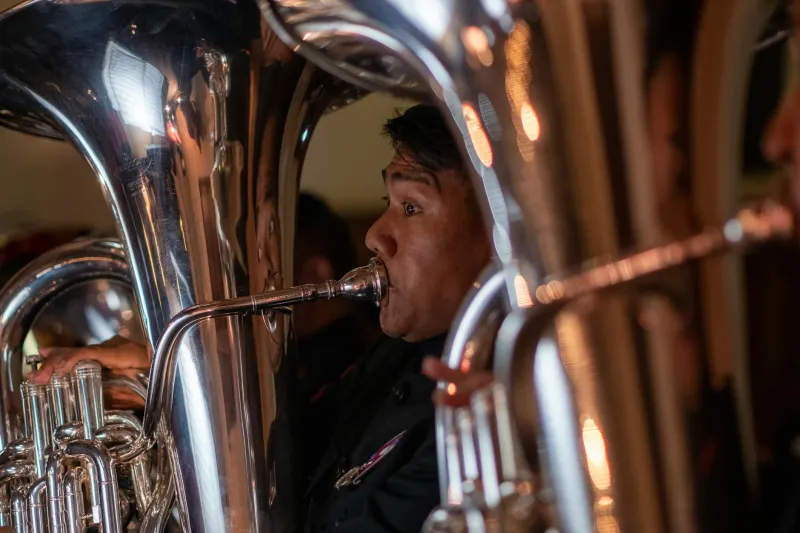
Perhaps most remarkably, these bands are successfully recruiting younger players. Band rooms that once echoed with stories of underground adventures now ring with the chatter of teenagers learning their first scales on borrowed euphoniums.
The secret lies in community investment. Many colliery bands run youth programmes, offering free lessons and instruments to local kids. It's not charity – it's survival strategy. Every twelve-year-old who picks up a trombone represents potential future membership, another link in an unbroken chain stretching back to the Victorian era.
"These kids don't care about coal mining," observes Dr. Helen Roberts, who studies brass band culture at Sheffield University. "But they care about belonging to something special, something that marks them out as different. The colliery bands offer that identity in a way that few other youth activities can match."
Digital Age, Analogue Soul
In our algorithmic age, where musical taste is increasingly homogenised by streaming platforms, colliery bands represent something beautifully stubborn. They're analogue in a digital world, communal in an individualised society, rooted in a rootless time.
Their repertoire spans centuries – from traditional hymns that once comforted mining families through disasters, to arrangements of contemporary pop songs that would make Spotify's recommendations seem conservative. They're musical time machines, capable of making a Beethoven symphony sound like it was written in a Welsh valley, or transforming a Beatles hit into something that belongs in a Methodist chapel.
The Sound of Defiance
Ultimately, Britain's surviving colliery bands represent something more significant than musical preservation. They're living proof that communities can endure beyond the industries that created them, that cultural identity runs deeper than economic function.
Every rehearsal is an act of defiance against the forces that tried to erase these communities from Britain's map. Every competition performance is a declaration that working-class culture has value beyond its utility to capital. Every young player picking up an instrument is a vote of confidence in a future that honours its past.
The mines are gone, the headframes demolished, the slag heaps grassed over. But on any given evening across Britain's former coalfields, you can still hear the sound that once called men to work and celebrated their return home safely. It's the sound of survival, of transformation, of communities that refused to let their song end when the last lamp was switched off.
In a world increasingly disconnected from place and tradition, perhaps that's the most valuable commodity these bands produce – not just music, but meaning. Not just entertainment, but identity. Not just brass, but soul.