Behind the Tinsel
Every December, something magical happens across Britain. In grand West End theatres and draughty church halls, in seaside pavilions and purpose-built arts centres, the same ritual unfolds: grown adults don ridiculous costumes, children shriek with delight, and audiences willingly suspend disbelief for two hours of pure theatrical anarchy.
British pantomime shouldn't work. Its plots are nonsensical, its humour ranges from sophisticated wordplay to slapstick pratfalls, and its casting often seems determined by celebrity rather than talent. Yet not only does it work – it thrives, generating millions in revenue and reaching audiences that wouldn't be caught dead in a 'proper' theatre.
"Pantomime is the cockroach of British theatre," jokes director Michael Harrison, who's been producing pantos for over two decades. "Everyone predicts its death, but it just keeps adapting, evolving, surviving whatever the industry throws at it."
The Art of Reinvention
What makes pantomime remarkable isn't its adherence to tradition, but its genius for absorption. Like a theatrical sponge, panto has soaked up every cultural phenomenon of the past century, from music hall to reality TV, from wartime propaganda to social media trends.
Consider the transformation of the pantomime dame. Once the preserve of seasoned character actors, the role has evolved to accommodate everyone from Lily Savage to Mrs. Brown, each bringing their own interpretation while respecting the character's essential function as both mother figure and comic relief.
"The dame is Britain's greatest theatrical invention," argues theatre historian Professor James Davidson. "It's a role that allows for infinite variation while maintaining absolute consistency. Every generation gets the dame they need."
Regional Flavours
Travel from London's Palladium to a village hall in the Cotswolds, and you'll witness pantomime's remarkable ability to reflect local character while maintaining universal appeal. West End productions lean heavily on celebrity casting and spectacular effects, turning Cinderella into a multimedia extravaganza that rivals any Broadway musical.
Move north to Manchester or Liverpool, and the emphasis shifts to community involvement and local humour. These productions often feature amateur dramatic societies alongside professional performers, creating a unique blend of polished entertainment and grassroots enthusiasm.
"Our panto reflects our community," explains Linda Marshall, who's directed the annual production at Hebden Bridge Little Theatre for fifteen years. "We cast local children, reference local landmarks, make jokes about local politicians. It's not just entertainment – it's a celebration of who we are."
In Scotland, pantomime takes on distinctly Scottish characteristics, with kilts replacing ball gowns and Burns replacing Shakespeare in the cultural references. The humour becomes more acerbic, the music more traditional, the whole experience more defiantly local.
The Economics of Magic
Behind pantomime's cheerful facade lies a sophisticated business model that would impress any MBA student. Productions must balance star salaries with ticket prices, spectacular effects with modest budgets, family-friendly content with adult humour that keeps parents engaged.
"Panto economics are brutal," admits producer Paul Holman Associates' Rebecca Quigley. "You've got maybe six weeks to recoup your entire investment, you're competing with every other form of Christmas entertainment, and your success depends on everything from weather to school holiday dates."
Yet the model works because pantomime has mastered the art of giving audiences exactly what they want while constantly surprising them with what they didn't know they needed. The format provides comfort and predictability – everyone knows the story of Cinderella – while allowing for infinite variation in execution.
Political Pantomime
Perhaps nowhere is pantomime's adaptability more evident than in its treatment of contemporary politics. What other art form could seamlessly incorporate Brexit jokes, COVID references, and social media gags into a Victorian fairy tale without missing a beat?
"Panto has always been political," notes Dr. Sarah Mitchell, who studies popular theatre at Birmingham University. "Victorian audiences expected topical references, and modern audiences are no different. The trick is making the politics funny rather than preachy."
This political dimension gives pantomime a satirical edge that's often overlooked by critics who dismiss it as mere entertainment. When Buttons makes a joke about the cost of living crisis, or the Fairy Godmother references climate change, pantomime proves its continued relevance as a form of popular commentary.
The Community Spirit
What truly sets British pantomime apart is its deep connection to community. Unlike other theatrical forms that tour nationally or internationally, most pantos are rooted in specific places, reflecting local culture and involving local people.
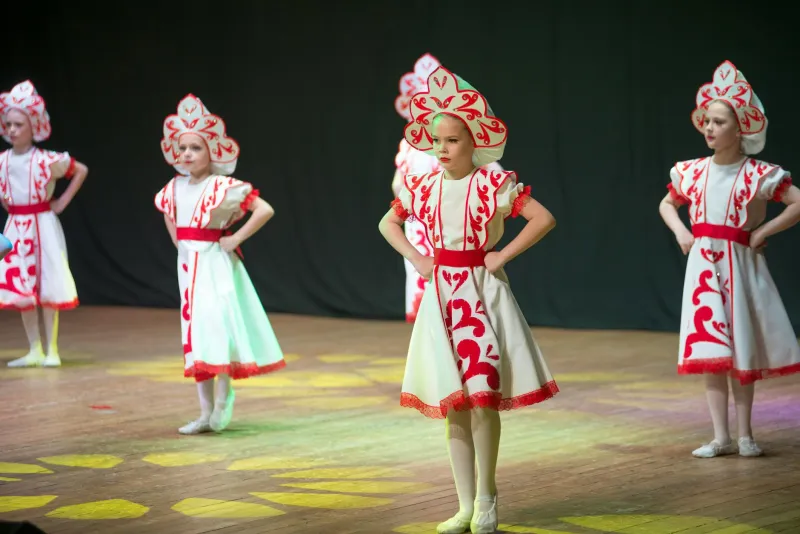
Amateur dramatic societies across the country spend months preparing their annual productions, involving everyone from retired teachers to primary school children. These productions might lack professional polish, but they offer something money can't buy: genuine community investment.
"Our panto brings the whole village together," says Tom Richardson, who's been involved with Chipping Norton Amateur Dramatics for thirty years. "Grandparents help with costumes, teenagers work backstage, local businesses sponsor the programme. It's not just a show – it's a community project."
The Future of Fairy Tales
As Britain grapples with cultural change and technological disruption, pantomime's survival instincts continue to serve it well. Productions now incorporate social media interaction, live streaming for distant relatives, and even virtual reality elements – all while maintaining the essential human connection that makes theatre special.
"Pantomime will outlive us all," predicts Harrison. "It survived two world wars, the rise of cinema, the advent of television, and the digital revolution. It'll adapt to whatever comes next because that's what it does – it changes everything while changing nothing."
In an age of increasing cultural fragmentation, perhaps that's pantomime's greatest achievement: creating a shared experience that transcends age, class, and cultural boundaries. For two hours every December, Britain comes together to boo the villain, cheer the hero, and believe in magic.
Oh yes, it does.