The Ritual of Unfolding
There's something almost sacred about the memory: sliding a fresh CD from its case, feeling the slight resistance of the booklet as you unfold it for the first time. The smell of fresh ink on glossy paper. The anticipation of discovering what secrets lay hidden in those carefully curated pages.
For British music fans who came of age before Spotify, this wasn't just nostalgia—it was the very essence of how we connected with our favourite artists. The album booklet was our portal, our Rosetta Stone for decoding the mysteries of the music we loved.
"I used to spend hours poring over the liner notes of my dad's Pink Floyd albums," recalls Sarah Mitchell, a graphic designer from Manchester who now creates artwork for independent British labels. "The booklet for 'The Wall' was like a treasure map. Every credit, every thank you, every blurry photograph told part of the story."
That story, it seems, is one we're no longer telling.
When Music Had Weight
The album booklet wasn't merely functional—though it served that purpose admirably, housing lyrics for sing-alongs and credits for the curious. It was theatrical. Opening a new album felt like unwrapping a gift, each element carefully orchestrated to enhance the listening experience.
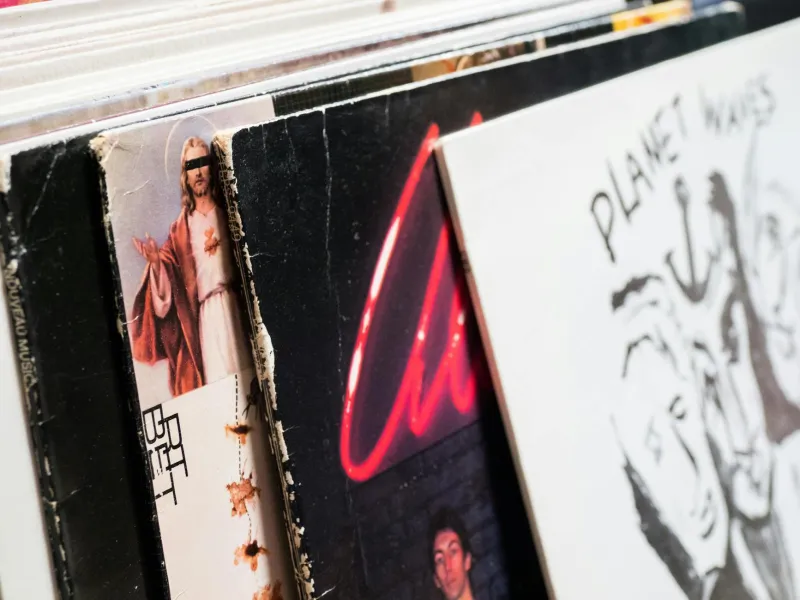
British artists understood this intimately. From the elaborate gatefolds of progressive rock to the stark minimalism of post-punk sleeves, the physical presentation of music became an art form unto itself. Storm Thorgerson's surreal landscapes for Pink Floyd, Peter Saville's geometric precision for New Order, or the DIY aesthetics that defined the UK's indie scene—each told a visual story that complemented the sonic one.
"The booklet was where artists could speak directly to their fans," explains Marcus Webb, who spent two decades as an A&R executive at various British labels. "It wasn't mediated by radio DJs or music journalists. It was pure, unfiltered communication."
That communication came in many forms. Radiohead's 'OK Computer' booklet featured cryptic artwork and fragments of text that fans dissected for hidden meanings. Blur's 'Parklife' included candid photographs that captured the essence of mid-90s British life. The Cure's various releases often contained Robert Smith's own liner notes, written in his distinctive scrawl.
The Digital Disappearance
Somewhere between the death of the CD and the rise of streaming, we lost this intimate dialogue. The transition wasn't sudden—it was a slow fade, like watching the sun set over the British countryside. First, we moved to digital downloads, where booklets became PDFs that few bothered to open. Then came streaming, where even those digital artefacts vanished entirely.
"Young people today discover music in thirty-second clips on TikTok," observes Dr. Emma Richardson, a cultural studies lecturer at the University of Leeds who specialises in music consumption. "There's no ceremony, no ritual. You tap a screen and the music appears, disembodied from any physical or visual context."
The statistics tell the story starkly. In 2023, streaming accounted for over 80% of music consumption in the UK, while physical sales—despite the much-celebrated vinyl revival—represented less than 20%. More tellingly, surveys suggest that fewer than 15% of streaming users ever seek out additional information about the albums they're listening to.
This shift represents more than mere convenience; it's a fundamental change in how we relate to music as a cultural artefact. The album booklet once served as a bridge between the ephemeral experience of listening and the permanent act of ownership. Without it, music becomes increasingly transient, less likely to leave lasting impressions or inspire deep engagement.
The Collectors' Last Stand
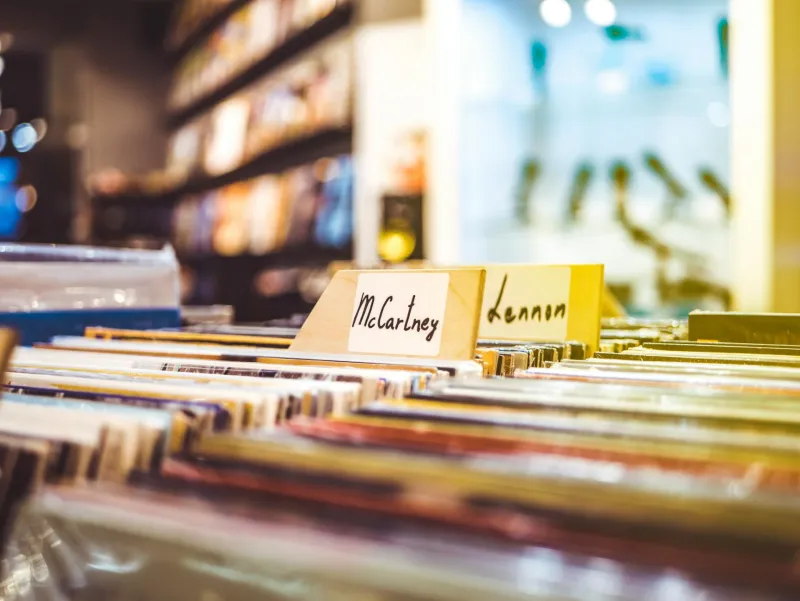
Yet in certain corners of British culture, the flame still flickers. Record shops across the UK report that customers who buy vinyl often spend considerable time examining the physical presentation. Independent labels are investing more heavily in elaborate packaging, recognising that physical releases must offer something streaming cannot.
"Our vinyl releases have become art objects," says James Crawford, who runs a small label specialising in British electronic music. "We're printing on different papers, using spot varnishes, including postcards and stickers. The booklet has become more important than ever because it's one of the few ways to justify the physical format."
Some established artists are pushing back against the digital tide. Recent releases from Arctic Monkeys, Coldplay, and Florence + The Machine have featured increasingly elaborate physical presentations, as if acknowledging that the booklet must work harder to justify its existence.
What We've Lost, What We Might Find
The disappearance of the album booklet represents something larger than the loss of paper and ink. We've sacrificed the contemplative space that physical media created—those moments between songs when you might read the lyrics, study the photography, or trace the connections between collaborators.
"There's something about holding the physical object that changes how you listen," reflects Mitchell, the Manchester designer. "When you've invested in the ritual of buying, unwrapping, and reading, you're more likely to give the music your full attention."
Perhaps the future lies not in resurrection but in reinvention. QR codes linking to interactive digital booklets, augmented reality artwork that comes alive through smartphone cameras, or limited-edition physical releases that treat the booklet as the primary product rather than an afterthought.
The album booklet may be dying, but the human need for connection, for story, for the ritual of discovery remains. The question isn't whether we can bring back the past, but whether we can create new forms of intimacy between artists and audiences in an increasingly digital world.
After all, the best album booklets were never really about the paper—they were about the promise that somewhere in those pages, you might find a piece of yourself reflected back.