Pitch Perfect: The Street Music Renaissance Transforming Britain's Urban Soundscape
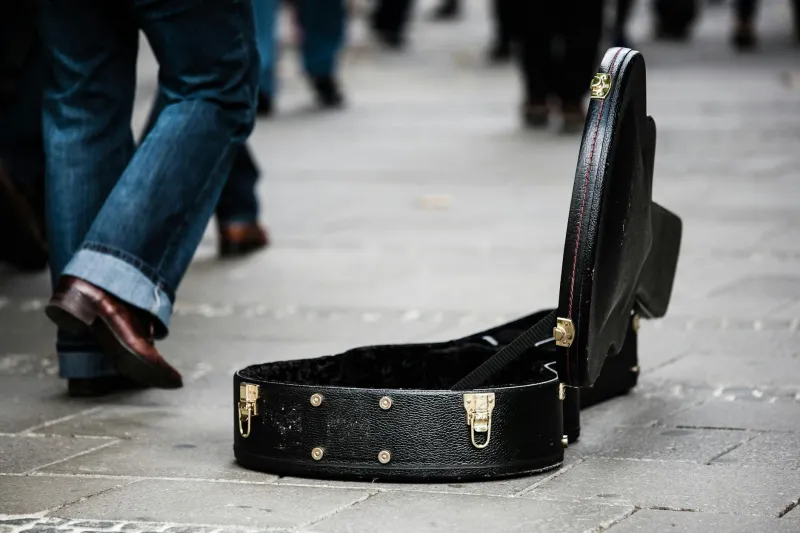
There's something beautifully anarchic about a guitarist setting up shop outside a Tube station at rush hour. While commuters hurry past, earbuds firmly planted, a small revolution is happening right under their noses. Britain's buskers aren't just playing for pocket change anymore – they're building careers from the ground up, one performance at a time.
The New Economics of Street Performance
Forget everything you thought you knew about busking. Today's street musicians are armed with contactless card readers, QR codes linking to Spotify profiles, and social media strategies that would make marketing agencies weep. What was once a cash-only economy has evolved into a sophisticated ecosystem where a single street performance can generate followers, streams, and gig bookings.
Take Manchester's Northern Quarter, where the cobblestones have witnessed more musical careers launch than most record labels. Here, performers like Sarah Chen have turned their regular pitch outside Afflecks Palace into a brand. Her ukulele covers of indie classics don't just earn her lunch money – they've landed her support slots with touring acts who first discovered her through Instagram videos filmed during her street sets.
"The pavement is my A&R department," Chen explains, packing up her portable speaker system after a particularly lucrative Saturday afternoon. "If a song works on the street, it works everywhere."
The Unwritten Constitution of the Pitch
Britain's busking scene operates on an intricate web of unspoken rules that would make parliamentary procedure look simple. The hierarchy of pitches, the gentleman's agreements about set times, and the delicate dance of territorial respect – it's a culture built on mutual understanding rather than formal regulation.
In Edinburgh's Royal Mile, veteran busker Tommy Morrison has held the same spot for fifteen years. His accordion melodies have become as much a part of the street's character as the cobblestones themselves. But Morrison's real skill isn't musical – it's diplomatic.
"You've got to read the street like sheet music," he says, nodding towards a young violinist setting up respectfully distant from his patch. "Everyone deserves their chance, but there's a way to do things. Respect the elders, mind the gaps, and never, ever play over someone else's set."
Digital Busking: When Ancient Art Meets Modern Tech
The most fascinating transformation isn't happening in the music itself, but in how audiences connect with performers. QR codes stuck to guitar cases now lead to Spotify playlists, YouTube channels, and crowdfunding pages. The hat on the ground has been joined by contactless payment terminals and PayPal QR codes.
London's Southbank has become a testing ground for this hybrid approach. Street performers like The Violin Man (whose real name remains mysteriously unknown) have built substantial online followings from their regular riverside performances. His Instagram account boasts 50,000 followers, many of whom first encountered his haunting classical interpretations while walking across Waterloo Bridge.
"The street performance is just the trailer," explains digital marketing consultant Jake Williams, who's studied the phenomenon extensively. "The real relationship happens online afterwards. These musicians are creating multi-platform experiences that start with a chance encounter and evolve into genuine fandom."
From Pavement to Pyramid Stage
The romantic notion of buskers being 'discovered' isn't just folklore – it's happening with increasing frequency. Ed Sheeran's early days performing in London's Underground stations have become the stuff of legend, but he's far from alone in graduating from street corners to sold-out arenas.
More recently, folk duo The Paper Kites built their entire early fanbase through weekend performances in Birmingham's Bullring. Their harmonies, refined through months of competing with shopping centre acoustics and Saturday afternoon chaos, caught the attention of a passing radio producer. Six months later, they were recording their debut album.
"Street performance teaches you things you can't learn in any music college," reflects The Paper Kites' lead singer, Emma Patterson. "How to grab attention in three seconds, how to hold it for three minutes, and how to make people care about songs they've never heard before. It's the ultimate masterclass in audience engagement."
The Licensing Labyrinth
Of course, not everything about modern busking is harmonious. Local council licensing requirements vary wildly across Britain, creating a patchwork of regulations that can trip up even experienced performers. Some cities require auditions, others charge hefty fees, and a few maintain outright bans in certain areas.
Covent Garden's famous pitch allocation system – where performers must audition for the right to play in designated spots – represents the most formalised approach. While critics argue it stifles spontaneity, supporters point to the consistently high quality of performances in one of London's most tourist-heavy areas.
"It's professionalisation versus preservation of the art form," notes Dr. Lisa Harrington, who researches street performance culture at Manchester University. "There's a tension between maintaining the raw, democratic nature of busking and ensuring city centres remain pleasant spaces for everyone."
The Sound of Tomorrow's Streets
As Britain's urban spaces continue evolving, so too does the role of street performance within them. The pandemic forced many buskers online, creating virtual tip jars and livestreamed performances that reached global audiences. Now, as physical performances return, many artists are maintaining their digital presence alongside their street pitches.
The future of British busking looks remarkably bright. A new generation of performers is approaching street music as a legitimate career path rather than a stopgap measure. They're professional, strategic, and unashamed about treating their art as both passion and business.
Walk through any British city centre today, and you'll hear the soundtrack to this quiet revolution. Between the bustle of commerce and the hum of traffic, musicians are redefining what it means to make it in the music industry. They're proving that sometimes the best launching pad isn't a recording studio or a talent show stage – it's simply a good pitch, a great song, and the courage to play it loud enough for the world to hear.