Rewinding to Glory: The Forgotten Art of Britain's Cassette Demo Culture
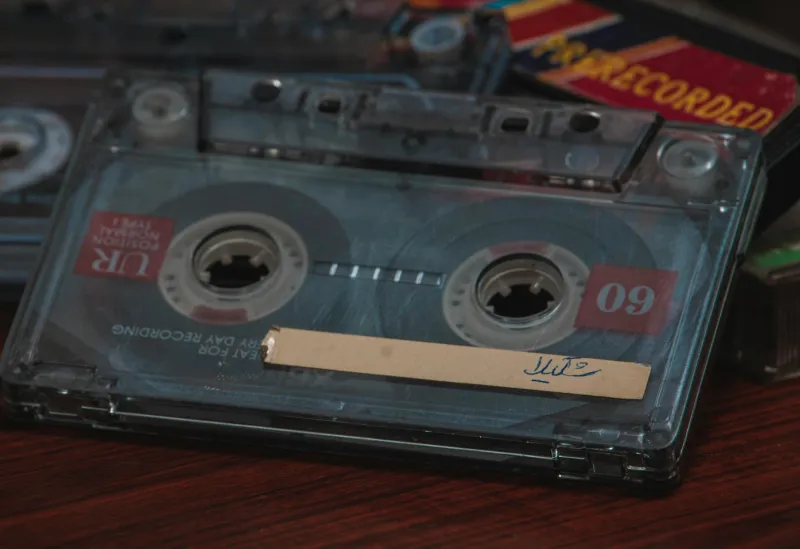
There's something almost mystical about finding an old demo tape tucked away in a charity shop bin. That faded handwritten label, the slightly warped plastic case, the mystery of what sonic treasures or disasters might lurk within those magnetic ribbons. For a generation of British musicians, these humble cassettes weren't just recordings—they were lottery tickets, wrapped in ferric oxide and sealed with hope.
The Ritual of Recording
Picture this: a cramped bedsit in Manchester, circa 1987. The radiator's been switched off to eliminate background hum, blankets draped over the windows for makeshift acoustic treatment. A young musician hunches over a Portastudio, rewinding the same four bars for the twentieth time, trying to nail that perfect guitar overdub. The red recording light becomes a beacon of possibility.
This wasn't just about capturing music—it was about crafting an entire identity in thirty minutes or less. Every hiss, every slightly out-of-tune vocal, every moment where the tape deck's motor struggled became part of the charm. These weren't polished productions; they were sonic polaroids, instant and imperfect.
"You had to make every second count," recalls Sarah Henderson, whose Coventry-based band The Velvet Riots landed their first gig support slot from a single C60 sent to a local promoter. "There was no undo button, no infinite tracks. You either nailed it or you started again."
The Great Cassette Lottery
Record labels in the '80s and '90s operated like archaeological dig sites, sifting through mountains of unsolicited demos that arrived daily by post. A&R departments became accustomed to the distinctive rattle of jiffy bags filled with musical dreams. Some tapes never made it past the receptionist; others found their way onto the desks of executives who'd change lives with a single phone call.
The stories of breakthrough moments have become the stuff of legend. Radiohead's early demos, recorded on a borrowed four-track in Oxfordshire, eventually caught the attention of EMI. The Stone Roses famously sent their early recordings to every label they could find in the music press directories, hand-copying addresses until their fingers cramped.
But for every success story, thousands of tapes gathered dust in filing cabinets or ended up in bins. The rejection was brutal and impersonal—often just a photocopied slip thanking the artist for their submission while politely declining to take things further.
The Tape Trading Underground
Whilst major labels remained the holy grail, a thriving underground economy emerged around cassette culture. Tape trading networks sprawled across Britain, connecting musicians and fans through classified ads in fanzines and word-of-mouth recommendations. A particularly good demo could travel from Glasgow to Brighton, copied and recopied until the sound degraded into a beautiful, fuzzy approximation of the original.
This wasn't piracy—it was curation. Tape traders became tastemakers, identifying promising acts and spreading their music through informal networks that predated the internet by decades. Some bands built substantial followings without ever setting foot in a proper recording studio.
The Lost Art of Presentation
Every element of a demo submission mattered. The J-card artwork, often hand-drawn or photocopied, served as the first impression. Band names were carefully considered for their visual impact when scrawled across a tape spine. Some artists included elaborate press kits—photocopied manifestos, blurry live photos, and earnest biographical notes that revealed as much about their ambitions as their music.
The physical act of posting a demo carried weight. There was ceremony in sealing that jiffy bag, knowing it contained weeks or months of creative effort compressed into a small plastic rectangle. The journey from letterbox to potential breakthrough felt tangible in a way that clicking 'upload' never could.
When Digital Killed the Cassette Star
The transition to digital submissions marked the end of an era. Suddenly, A&R departments were flooded not with hundreds of demos, but thousands. The barrier to entry dropped to almost nothing—no need for tape costs, postage, or even basic recording equipment. What was gained in accessibility was lost in mystique.
Today's bedroom producers have capabilities that would have seemed like science fiction to those four-track pioneers. Unlimited tracks, perfect digital clarity, global distribution at the click of a button. Yet something ineffable was lost in translation—the commitment that came with physical limitation, the character that emerged from technical constraints.
The Cassette Revival
Ironically, as streaming dominates the music landscape, cassettes are experiencing an unlikely renaissance. Independent artists are once again embracing the format, drawn to its tactile qualities and nostalgic appeal. Limited-edition tape releases sell out within hours, collected by fans who appreciate the ritual of physical media.
But this revival feels different—more self-conscious, less desperate. Modern cassette releases are often beautifully packaged art objects, far removed from the rough-and-ready demo tapes of yesteryear. They're statements rather than supplications, artefacts rather than applications.
The era of the demo tape represented something pure about musical ambition—a time when breaking through required not just talent, but genuine commitment to the craft. Every tape sent was a small act of faith, a belief that somewhere out there, someone would press play and recognise something special.
In our age of algorithmic discovery and playlist placement, perhaps we've lost something essential about the relationship between artist and audience. The demo tape era demanded patience, persistence, and a willingness to fail repeatedly before succeeding. It was messier, more frustrating, and infinitely more human.
Those faded cassettes gathering dust in charity shops aren't just obsolete technology—they're monuments to a time when dreams came wrapped in plastic and sealed with hope.