The Glitter Never Fades
Walk into the Tower Ballroom on a Tuesday afternoon and you'll witness something extraordinary: a living, breathing piece of British cultural DNA that refuses to be archived. The sprung floor bounces gently under the feet of couples executing perfect foxtrot sequences, while Reginald Dixon's ghost seems to hover over the mighty Wurlitzer. This isn't nostalgia tourism – it's survival.
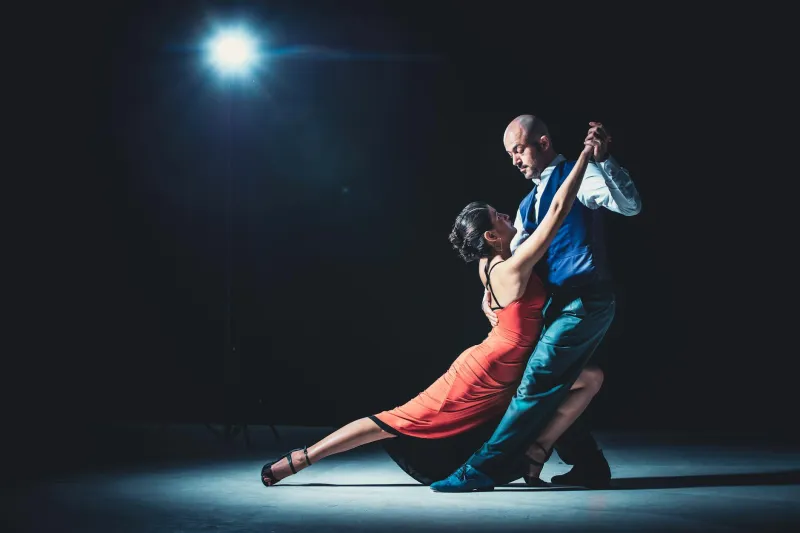
Across Britain, from the grand seaside palaces to converted church halls in Derbyshire villages, dance halls continue to pulse with life. Not the frantic, individual gyrations of modern clubbing, but the structured, communal choreography of a tradition that's weathered two world wars, the Beatles, punk, rave culture, and now the digital revolution.
More Than Just Moving to Music
What strikes you first isn't the age demographic – though yes, many regulars remember when these venues were the only game in town. It's the precision, the ritual, the unspoken understanding between partners who've been dancing together for decades. Margaret and Frank, whom I meet at the Empress Ballroom in Blackpool, have been coming here every Thursday for thirty-seven years.
"It's not about the steps," Margaret tells me, adjusting Frank's tie before the quickstep. "It's about being part of something bigger than yourself. The music, the movement, the other couples – we're all creating something together."
This collaborative aspect sets dance halls apart from virtually every other musical experience available today. Spotify doesn't require coordination with strangers. YouTube doesn't demand you learn someone else's rhythm. But the ballroom does, and perhaps that's precisely why it endures.
The Underground Network
Beyond the famous venues lies a network of smaller halls that most people never discover. The Pavilion in Worthing still hosts tea dances where the average age might be seventy, but the energy rivals any festival crowd. In Stoke-on-Trent, the Victoria Hall's weekly sessions draw couples from across the Midlands, their cars forming a silver convoy of determination.
These aren't museum pieces. The music evolves – Latin rhythms have gained ground, and you'll occasionally hear a waltz arrangement of a contemporary pop song. Dance teachers incorporate new moves while respecting traditional forms. The culture adapts without abandoning its core identity.
The Music That Moves Bodies
The soundscape of surviving dance halls tells its own story. Live bands remain the gold standard, but they're increasingly rare outside the major venues. More commonly, skilled DJs curate evenings with the precision of classical conductors, understanding that a successful dance requires more than just playing requests.
"You have to read the room," explains Tony, who's been spinning records at various halls across Yorkshire for twenty-five years. "Know when to lift the energy with a quickstep, when to slow things down with a rumba. It's not background music – it's the engine that drives everything else."
The musical choices reflect both tradition and pragmatism. Strict tempo recordings dominate, but arrangements span decades. A 1940s big band number might follow a Latin-influenced piece from the 1990s, united by their danceable structure rather than their era.
Against All Odds
The economics shouldn't work. Maintaining these large spaces costs a fortune. Insurance for dance events has skyrocketed. Local councils, strapped for cash, eye these properties as development opportunities. Yet somehow, many survive.
The secret lies partly in the dedication of volunteers who treat these venues like family heirlooms. Committee members arrive hours early to set up chairs, check sound systems, and ensure the floor is properly prepared. They stay late to pack away, count takings, and plan future events. This isn't just hobby enthusiasm – it's cultural preservation by stealth.
The Next Generation Question
The elephant in the ballroom is obvious: what happens when the current generation of regulars can no longer attend? Some venues have embraced outreach, offering beginner classes and themed nights designed to attract younger dancers. The results are mixed but encouraging.
"We get couples preparing for their wedding first dance," says Sarah, who teaches at a hall in Bath. "Some catch the bug and keep coming. Others disappear after the big day, but they've experienced what we're about. Seeds get planted."
Perhaps more significantly, dance halls represent something our digital age lacks: unmediated, physical, communal engagement with music. No screens, no individual playlists, no ability to skip tracks or multitask. Just bodies, music, and the ancient human pleasure of moving together in time.
The Last Waltz?
Britain's surviving dance halls face an uncertain future, but their persistence suggests something profound about human nature. Despite every technological and cultural shift of the past century, people still crave the specific joy these venues provide.
Watching couples glide across floors that have witnessed countless celebrations, arguments, first meetings, and final farewells, it's clear this isn't just entertainment – it's community ritual. The music provides the structure, but the real magic happens in the spaces between the notes, where strangers become partners and individual steps become collective rhythm.
Whether sequined or subdued, Britain's dance halls continue their improbable survival dance, one careful step at a time.