The Death of the Pub Curator
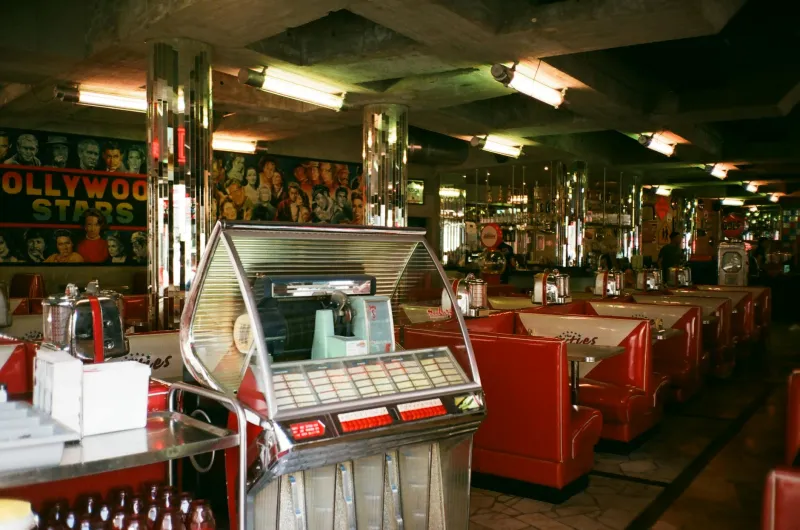
Walk into any British pub today and you'll hear it—or rather, you won't hear it. That indefinable something that once made each boozer distinct has been homogenised into algorithmic blandness. Where once stood landlords who knew that Tuesday night needed The Kinks, not Kings of Leon, we now have streaming services that treat your local like every other retail space in Britain.
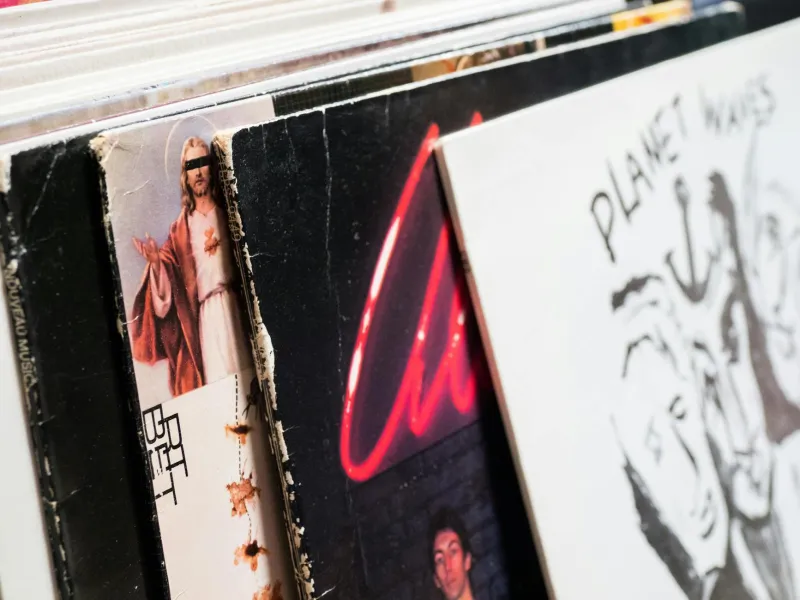
The transformation didn't happen overnight. It crept in quietly, like a closing time bell nobody heard ringing. One day, the Red Lion's famously eclectic Tuesday playlist—crafted by a landlord who'd spent thirty years collecting vinyl and understanding his clientele—disappeared. In its place: "Pub Classics" from Spotify, a playlist apparently designed by someone who thinks British pub culture peaked with "Come on Eileen."
When Music Mattered
Speak to anyone who remembers pubs before the streaming revolution, and they'll tell you about that landlord. The one who'd drop Dusty Springfield during Sunday lunch service, knowing it perfectly complemented the atmosphere. Who understood that 6pm on Friday required something different from 11pm on Saturday. These weren't just publicans—they were curators, anthropologists of their own four walls.
Take Mickey Thompson, who ran The Crown in Islington for twenty-three years before retiring last spring. "I had three different playlists for three different crowds," he tells me over a pint in what's now his local rather than his workplace. "The afternoon regulars wanted their jazz and blues. Evening crowd needed something with more energy. Late night was all about keeping the mood mellow enough that people went home happy, not looking for trouble."
Mickey's replacement—a perfectly pleasant young manager from a pub chain—relies entirely on "curated" streaming playlists. The music isn't wrong, exactly. It's just... nothing. Background noise that could soundtrack a shopping centre or a dentist's waiting room with equal effectiveness.
The Algorithm Doesn't Drink
Here's what Spotify's "Perfect Pub Playlist" algorithm doesn't understand: pubs aren't retail spaces. They're community centres, confessionals, and cultural institutions rolled into one. The music isn't just filling silence—it's creating atmosphere, building identity, fostering belonging.
When Sarah Chen took over The Wheatsheaf in Camden three years ago, she initially embraced the convenience of streaming services. "It seemed easier," she admits. "No thinking required, no complaints about song choices." But something felt wrong. Regular customers started leaving earlier. Conversations felt stilted. The pub's personality had flatlined.
"I realised the music was making us invisible," Sarah explains. "We sounded like every other place. There was nothing distinctly us about it."
Sarah's solution was radical in 2023: she went back to physical media. Not entirely—she's not daft—but she now spends Sunday mornings crafting weekly playlists, mixing streaming convenience with genuine curation. "I know my customers. I know that Mrs Patterson loves early Motown but hates anything after 1975. I know the football lads need something uplifting after a loss but nothing too celebratory after a win—that's when fights start."
The Spotify Standardisation
The cultural flattening extends beyond individual pubs. Drive through any British town now and you'll hear the same songs echoing from different establishments. "Wonderwall" has become the unofficial anthem of algorithmic pub music—not because it's particularly brilliant, but because it tests well with focus groups and generates minimal complaints.
This is the Tesco-fication of pub culture: efficient, inoffensive, and utterly soul-destroying. Where once you could identify a pub by its musical fingerprint, now they're all singing from the same digital hymn sheet.
Dr. Elizabeth Morrison, who studies British pub culture at Manchester University, sees this as symptomatic of a broader cultural shift. "We're outsourcing taste to machines that understand data but not emotion," she argues. "A good pub playlist isn't about what's popular—it's about what works in that specific space, with those specific people, at that specific moment."
Fighting Back
Not every publican has surrendered to the streaming overlords. Across Britain, a quiet resistance movement is brewing. The Ship Inn in Whitby still uses a carefully maintained CD collection. The Eagle in Cambridge employs a part-time "music curator"—a local DJ who understands that academic crowds need different soundtracks from tourists.
These aren't Luddite gestures—they're business decisions. Pubs with distinctive musical identities report stronger customer loyalty, longer visits, and better word-of-mouth recommendations. People remember the place that played that perfect song at that perfect moment.
The Sound of Belonging
Ultimately, this isn't really about music—it's about identity. When we lose the human element in pub playlists, we lose something essentially British: the understanding that local character matters more than corporate efficiency.
Every great pub tells a story through its music. The jazz-loving landlord who shapes weekend afternoons. The punk-rock barmaid whose late shifts become impromptu concerts. The regular customer whose birthday request becomes a monthly tradition.
Streaming algorithms can't tell these stories. They can only repeat the same tired narratives that work everywhere and therefore work nowhere particularly well.
As Mickey Thompson puts it: "A good pub playlist isn't background music—it's the sound of people belonging somewhere." Until Spotify learns to understand that distinction, Britain's pubs will keep sounding like everywhere else, which is to say, they'll sound like nowhere at all.