Beyond the Cardboard Crowns
Mention amateur dramatics to most Britons, and you'll likely trigger a cascade of well-worn stereotypes: overenthusiastic middle-aged women butchering Shakespeare, wonky sets held together with gaffer tape, and performances so earnest they become unintentionally comedic. It's comedy gold for sketch shows and dinner party anecdotes, but this casual dismissal masks a remarkable truth—Britain's amateur dramatic societies have been the secret training ground for some of our most celebrated performers.
Sir Ian McKellen cut his teeth with the Bolton Little Theatre. Julie Walters found her voice at Manchester Youth Theatre. Even David Bowie performed with the Bromley Technical High School drama group before conquering the world. These aren't isolated examples—they're part of a pattern that stretches across generations and postcodes, from village halls in the Cotswolds to community centres in Glasgow.
 Photo: Sir Ian McKellen, via mir-s3-cdn-cf.behance.net
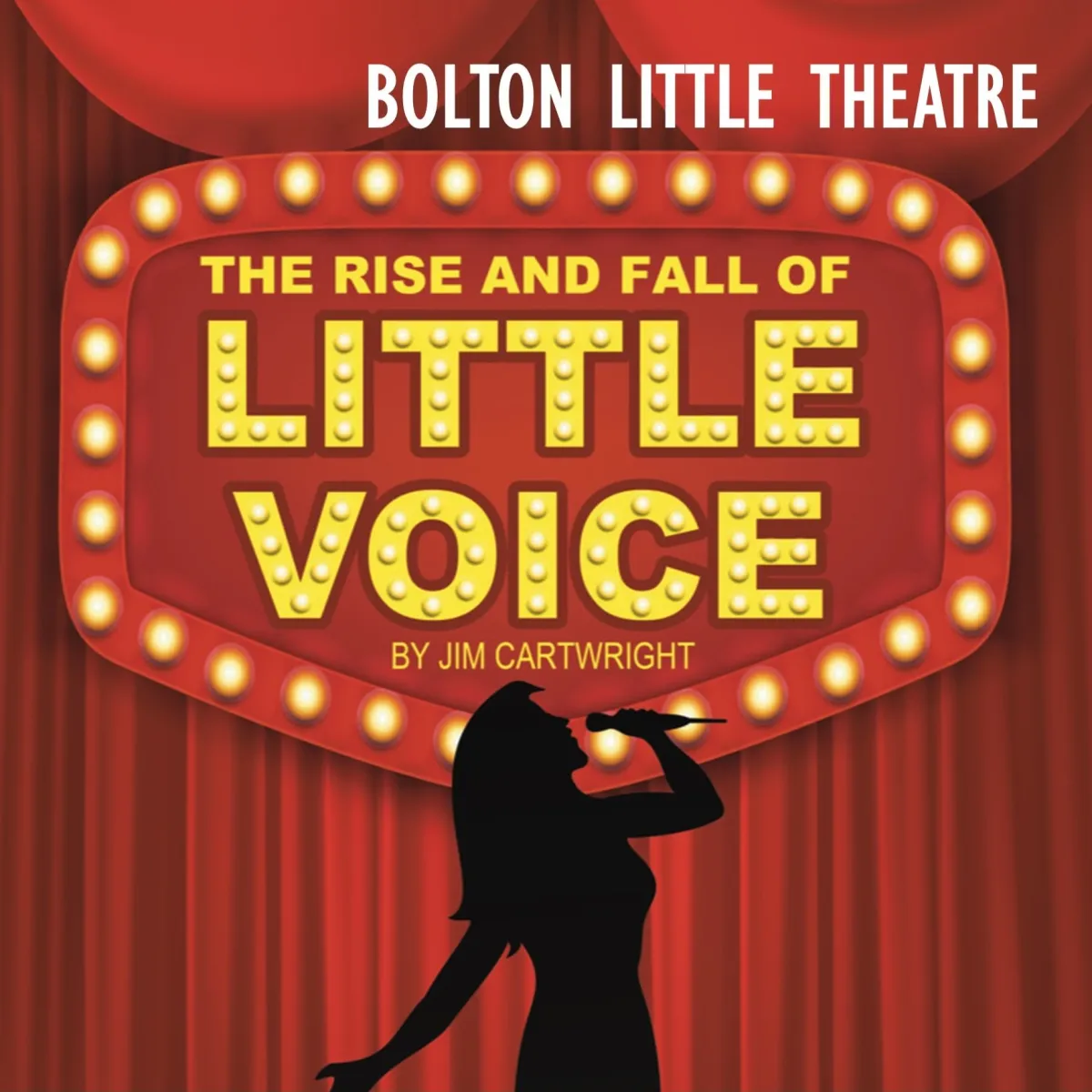 Photo: Bolton Little Theatre, via www.boltonlittletheatre.co.uk
"People laugh at am-dram until they realise half the cast of Coronation Street started in church halls," says Patricia Hendricks, who's directed amateur productions in Leicestershire for thirty years. "We're not trying to compete with the West End. We're creating something more important—we're making performers out of ordinary people."
The Accidental Academy
What makes amateur dramatic societies such effective talent incubators isn't their production values—it's their democratic approach to creativity. Unlike drama schools with their auditions and fees, am-dram groups welcome anyone willing to turn up and commit. This accessibility creates an environment where natural talent can emerge from unexpected places.
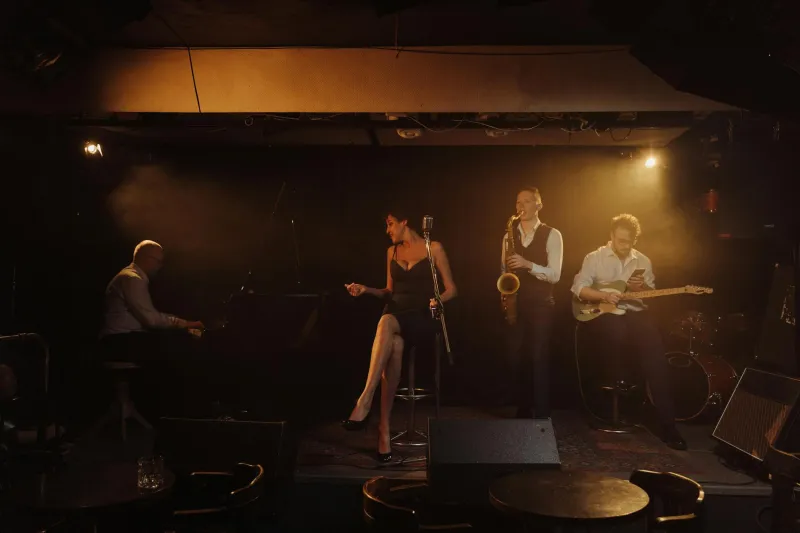
Consider the journey of Marcus Thompson, now a successful session musician who's worked with everyone from Ed Sheeran to Elbow. His musical career began not in a conservatoire, but in the orchestra pit of the Harrogate Amateur Operatic Society, aged fourteen.
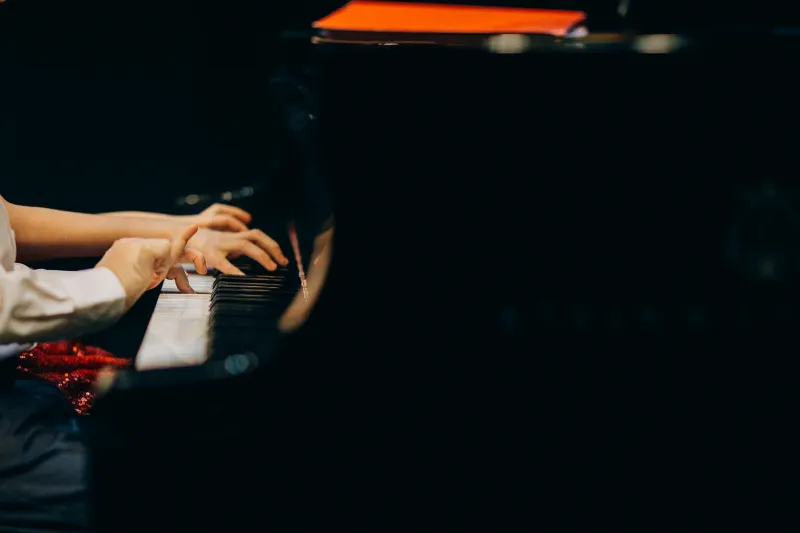
"I was hopeless at sports, terrible at maths, but I could bash out tunes on my grandmother's piano," Marcus recalls. "The am-dram group needed someone for their production of 'Oklahoma!' and suddenly I was part of something bigger than myself. That feeling of making music that supported other people's dreams—that's what hooked me."
The society's musical director, recognising Marcus's potential, connected him with other young musicians in the group. Within two years, they'd formed a band that played local venues. By eighteen, Marcus was session-playing professionally. The amateur dramatic society hadn't just given him a stage—it had provided a network, mentorship, and most crucially, the confidence to believe his musical contributions mattered.
The Confidence Factory
Perhaps the most undervalued aspect of amateur dramatics is its role in building performance confidence. Professional training often focuses on technique and theory, but am-dram groups specialise in something equally vital—teaching people to be comfortable being watched.
"We get solicitors who've never sung in public, teachers who freeze at the thought of improvisation, teenagers who can barely order a pizza on the phone," explains Robert Chen, who runs the Croydon Musical Theatre Company. "Six months later, they're belting out show tunes in front of 200 people. That transformation doesn't just help them on stage—it changes how they approach everything."
This confidence-building extends far beyond entertainment. Research by the University of Winchester found that adults who participated in amateur dramatics showed measurably improved public speaking skills, creative problem-solving abilities, and social confidence. The study tracked participants over two years, finding benefits that persisted long after the final curtain call.
The Network Effect
Amateur dramatic societies function as informal creative networks, connecting musicians, writers, designers, and performers across traditional industry boundaries. A lighting designer for the local am-dram group might recommend a musician friend for a commercial project. A costume maker discovers a hidden talent for set design. A shy accountant reveals a gift for comedy timing that leads to open mic nights and eventually stand-up comedy.
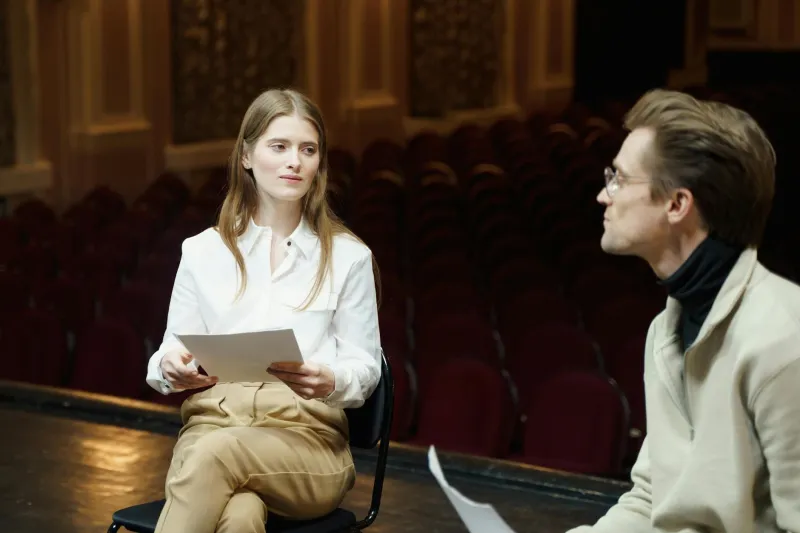
Sarah Williams discovered this network effect firsthand. A marketing executive by day, she joined Bristol's Redgrave Theatre Company to overcome social anxiety. Her role as assistant director on their production of 'Guys and Dolls' introduced her to local musicians, sound engineers, and venue managers. When she decided to pursue her long-suppressed dream of becoming a singer-songwriter, she already had a ready-made support system.
 Photo: Bristol's Redgrave Theatre Company, via redgravetheatre.com
"The connections I made through am-dram weren't just professional—they were people who believed in taking creative risks," Sarah explains. "When I finally got the courage to perform my own songs, half the audience was people I'd met through the theatre group. They were invested in seeing me succeed."
Three years later, Sarah has released two albums and regularly performs at festivals across the Southwest. Her marketing background, combined with the performance skills learned in amateur dramatics, proved a powerful combination for building a music career.
Challenging the Snobbery
The persistent mockery of amateur dramatics reveals an uncomfortable truth about British cultural attitudes. We celebrate grassroots football, community choirs, and local art groups, but somehow amateur theatre remains fair game for ridicule. This snobbery not only discourages participation—it blinds us to the real value these organisations provide.
"There's a peculiar British tendency to mock people who try," observes Dr. Emma Richardson, who studies community theatre at the University of Sheffield. "We'll praise professional actors for their dedication and craft, then laugh at amateur performers for attempting the same thing. It's cultural cringe masquerading as sophistication."
This attitude has practical consequences. Local councils, facing budget pressures, often view amateur dramatic societies as dispensable compared to 'serious' cultural institutions. Venue hire costs rise while public funding disappears, forcing groups to rely increasingly on ticket sales from ever-smaller audiences.
Yet these societies continue producing not just entertainment, but entertainers. The Oldham Coliseum Theatre Company has spawned three professional actors in the past decade. The Exeter Little Theatre Company's alumni include a BBC radio presenter, a cruise ship entertainer, and a West End chorus member.
The Future Stage
As Britain's cultural landscape evolves, amateur dramatic societies face new challenges. Social media offers alternative creative outlets for young people. Netflix provides professional entertainment on demand. Community spaces disappear under development pressure.
But there's also opportunity. The pandemic highlighted the hunger for live, communal experiences. Streaming services, despite their convenience, can't replicate the thrill of live performance or the satisfaction of collaborative creation.
Smart amateur dramatic societies are adapting. Some embrace digital elements, live-streaming performances or creating online content. Others focus on their unique strength—providing creative community in an increasingly isolated world.
"We're not competing with Hollywood," says Patricia Hendricks. "We're offering something Hollywood can't—the chance to be part of the story, not just watch it."
As the lights dim on another amateur production somewhere in Britain tonight, remember this: the nervous teenager fumbling lines in the back row might be tomorrow's chart-topper. The accountant discovering a gift for comedy might become the next household name. Amateur dramatics doesn't just entertain—it transforms. And in a world that increasingly values authentic human connection, that transformation has never been more valuable.