The Sound of Saturday Night
There's something magical about a pub when the piano starts up. Not the canned background music pumping through hidden speakers, but the real thing—eighty-eight keys under calloused fingers, a voice that's seen too many cigarettes calling for requests from the crowd. It's a sound that's been the backbone of British pub culture for over a century, yet it's disappearing faster than last orders on a Sunday.
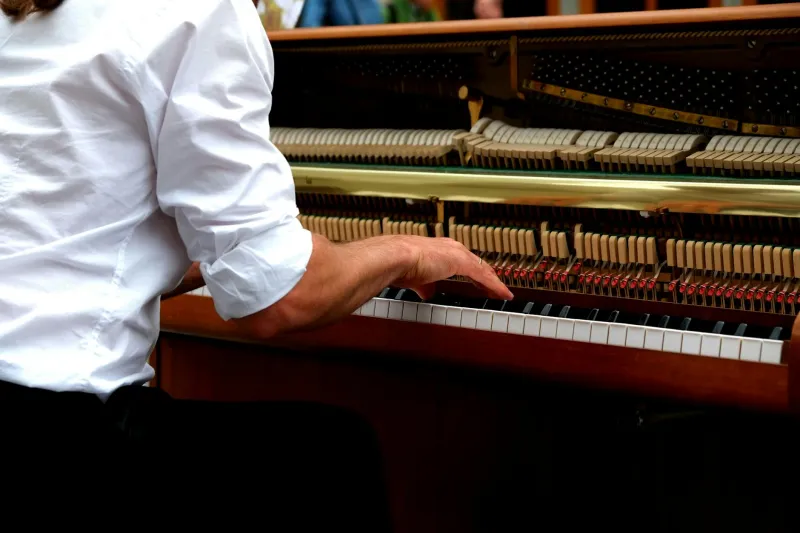
Walk into The George & Dragon in Southwark on a Friday evening, and you'll witness something increasingly rare. Behind an upright piano that's older than most of the punters, Derek Thompson runs his fingers across keys worn smooth by decades of "My Way" and "Sweet Caroline." At seventy-three, Derek is one of London's last remaining pub pianists, a profession that once numbered in the thousands.
 Photo: Derek Thompson, via longform.org
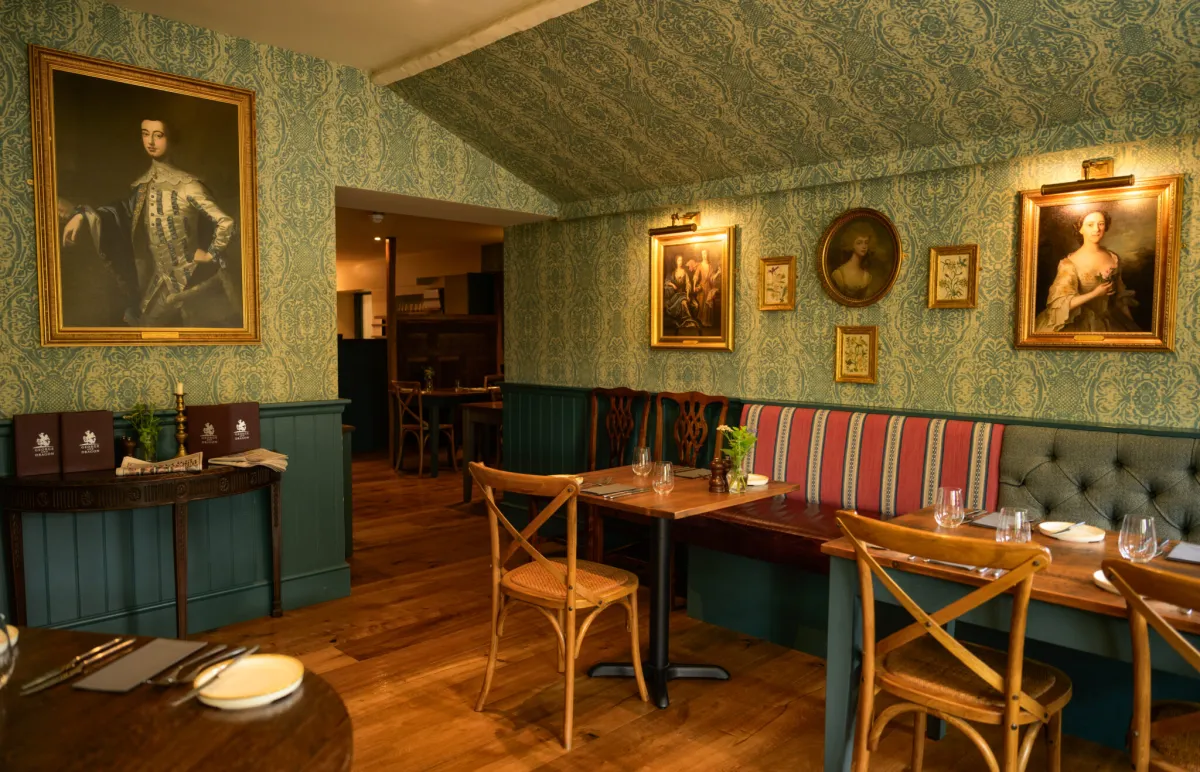 Photo: The George & Dragon, via georgeanddragonclifton.co.uk
"People don't realise what they're losing," Derek tells me between sets, nursing a half-pint that's been sitting untouched for an hour. "It's not just about the music. It's about bringing strangers together, making them sing as one voice. You can't get that from Spotify."
From Music Hall to Public House
The tradition of pub piano entertainment has roots stretching back to the Victorian era, when music halls began closing and their performers sought new venues. By the 1920s, most respectable pubs had a piano, and many employed a resident player for weekend entertainment. These weren't concert pianists—they were musical facilitators, part entertainer, part conductor of communal joy.
"The pub pianist was the original DJ," explains Dr. Sarah Mitchell, a cultural historian at Leeds University who's spent years documenting Britain's musical pub culture. "They read the room, gauged the mood, and knew exactly when to launch into 'Knees Up Mother Brown' or slow things down with 'The White Cliffs of Dover.'"
The golden age stretched from the 1950s through the 1980s, when even modest local pubs might employ a pianist two or three nights a week. These musicians developed an encyclopaedic knowledge of popular songs spanning generations, capable of segueing from wartime ballads to Beatles hits to satisfy punters ranging from teenagers to pensioners.
The Last Call
Today, fewer than fifty pubs across Britain still employ regular pianists. The reasons for decline are familiar: rising costs, changing tastes, and the convenience of digital music systems. But something deeper is at play—a fundamental shift in how we socialise and consume entertainment.
"Young people today are brilliant musicians," says Margaret Ellis, who runs The Crown in Newcastle and still hosts piano nights twice monthly. "But they're used to performing for phones, not faces. There's an intimacy to pub piano that social media can't replicate."
The economics are brutal. A decent pianist might earn £80-120 for a four-hour session, while a digital music subscription costs £10 monthly. For struggling pubs, the mathematics are unforgiving. Yet Margaret persists, subsidising her piano nights from other revenue because she believes something irreplaceable dies when the music stops.
More Than Entertainment
What's lost when the piano lid closes isn't just nostalgia. Research by the University of Oxford suggests that communal singing releases endorphins and builds social bonds in ways that passive music consumption cannot match. The pub pianist didn't just play music—they orchestrated collective experiences that strengthened community ties.
"I've seen marriages begin and end around that piano," reflects Derek, gesturing toward his battered instrument. "I've played for wakes and celebrations, for soldiers shipping out and coming home. The piano holds the memory of this place."
The repertoire tells Britain's story through song. "Pack Up Your Troubles" echoes through decades of conflict and resilience. "Maybe It's Because I'm a Londoner" speaks to urban identity and pride. "Don't Look Back in Anger" bridges generational divides. These aren't just songs—they're shared cultural DNA, passed down through collective voice.
Fighting for the Future
A few establishments are bucking the trend. The Piano Works in London's West End has built an entire business model around live piano entertainment, proving audiences still crave authentic musical interaction. Smaller venues like The Toucan in Soho maintain regular piano nights that pack the house with locals and tourists alike.
 Photo: The Piano Works, via 24-social.com
"It's about creating something you can't get at home," explains Tom Bradley, who's been playing pub piano for fifteen years across Manchester's Northern Quarter. "People want real connection, real spontaneity. When someone shouts for a song I've never heard, and I manage to work it out on the spot—that's magic you can't download."
But time is running out. The current generation of pub pianists is aging, and few young musicians are learning the craft. The skills required—sight-reading, improvisation, crowd psychology, and an encyclopaedic knowledge of popular music—take decades to develop.
The Silent Future
As I leave The George & Dragon, Derek is launching into "We'll Meet Again," and the entire pub joins in. Strangers become a choir, voices blending across ages and backgrounds. It's a reminder of what Britain loses when the last piano player hangs up their sheet music.
The death of pub piano culture represents more than changing entertainment preferences. It's the loss of a uniquely British institution that transformed drinking establishments into community centres, where music became the catalyst for human connection. When the final pub pianist plays their last song, we'll have lost not just entertainment, but a piece of our collective soul.
Perhaps it's time for last orders on indifference, and a toast to keeping the music alive.