The Sound of Possibility
There was a particular smell in Tony's Music Hire on Oldham Road – a mixture of brass polish, worn leather guitar straps, and that indefinable mustiness that comes from decades of musical dreams passing through cramped shop floors. For nearly forty years, Tony Marchetti's little shop was where Manchester's aspiring musicians went when they couldn't afford to buy but refused to give up on their ambitions.
"We had everyone come through those doors," Tony recalls, adjusting his glasses as he speaks from his small flat above what used to be the shop. "Kids saving up their paper round money for a month's guitar hire, pensioners wanting to finally learn the trumpet they'd dreamed about since the war. That shop wasn't just about instruments – it was about making music possible for people who thought it was out of reach."
Tony's wasn't unique. Across Britain, from the industrial towns of the North to the seaside communities of Cornwall, independent instrument hire shops formed an invisible network that quietly democratised music-making for generations. Today, most have vanished without fanfare, their closure notices barely meriting a paragraph in local papers.
More Than Just Business
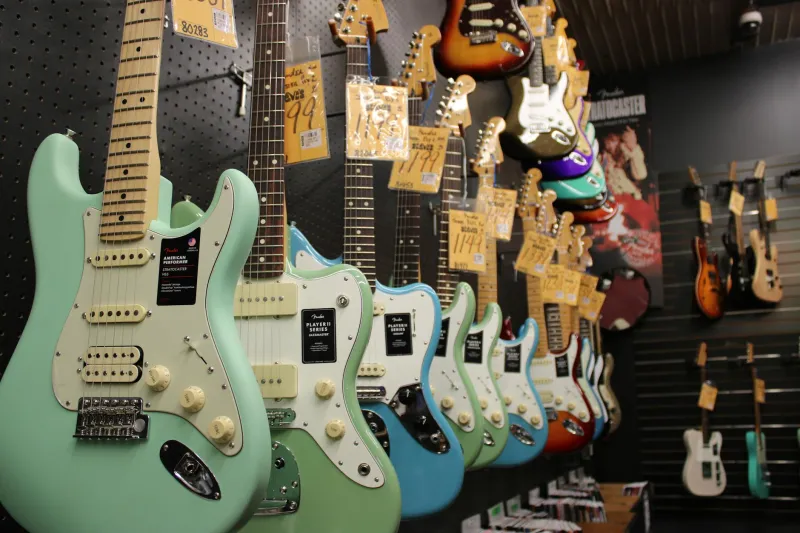
The economics were always tight. Unlike the glossy guitar shops that catered to weekend warriors with disposable income, hire shops operated on razor-thin margins. A decent acoustic guitar might rent for £8 a week in the 1990s – enough to cover basic overheads but little else. The real value lay in volume and community.
"I'd have the same families coming in for years," explains Margaret Thornfield, who ran Melody Makers in Blackpool until 2018. "First the dad would hire a bass guitar for his pub band, then the teenage daughter would want a violin for school orchestra, then the youngest would need a keyboard for GCSE music. These weren't wealthy families – they were people who saw music as essential, not luxury."
The shops became informal teaching hubs by necessity. Customers would return instruments in various states of distress – snapped strings, sticky keys, mysterious rattles that required detective work to diagnose. Shop owners found themselves offering impromptu lessons on everything from basic maintenance to chord progressions.
"Half my time was spent showing people how to tune a guitar or explaining why their amp was making that awful noise," Margaret laughs. "But that's what built loyalty. People knew they could come back with problems, and we'd sort them out. Try getting that from Amazon."
The Changing Landscape
The decline began gradually in the early 2000s. Hire-purchase schemes offered by larger retailers made instrument ownership more accessible, even if the monthly payments often exceeded rental costs. Online marketplaces flooded the market with cheap imports, making basic instruments affordable for many families.
But the real killer was cultural rather than economic. The rise of home recording technology and bedroom producers shifted musical ambition away from traditional instruments towards laptops and software. Why hire a drum kit when GarageBand offered infinite possibilities in a spare bedroom?
"Young people stopped seeing instruments as mysterious objects that required initiation," observes Dr. Sarah Chen, who researches music education at Leeds University. "YouTube tutorials replaced the informal mentorship that hire shops provided. The learning became more accessible in some ways, but also more isolated."
The COVID-19 pandemic delivered the final blow to many struggling shops. Months of closure, combined with hygiene concerns about shared instruments, proved insurmountable for businesses already operating on minimal reserves.
The Hidden Cost
What's been lost isn't just commercial convenience – it's a particular pathway into music that may have been uniquely valuable for working-class communities. Hire shops offered something that online retailers and even modern music schools struggle to replicate: low-stakes experimentation.
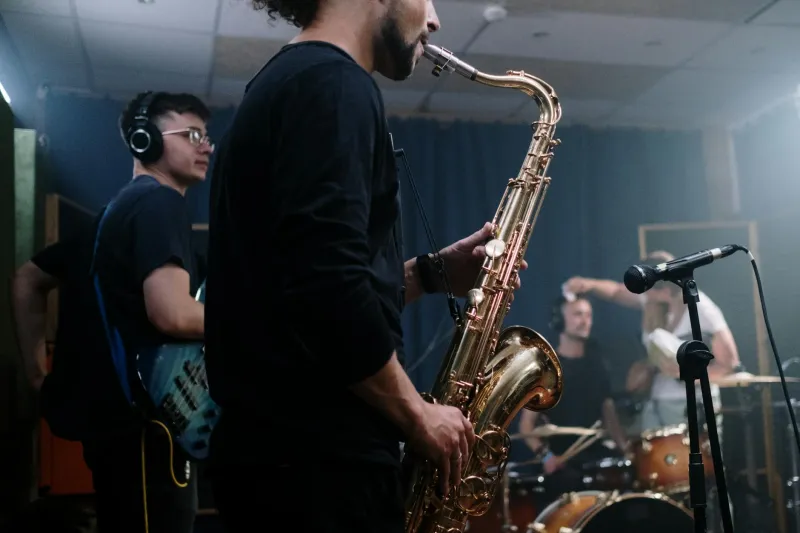
"You could try a saxophone for a month without committing to buying one," Tony explains. "If it didn't work out, you'd lost maybe thirty quid, not three hundred. That difference matters when money's tight."
The social aspect was equally important. Hire shops were places where musical communities formed organically. Notice boards advertised local bands seeking members, shop owners connected customers with similar interests, and informal jam sessions sometimes broke out between customers trying different instruments.
Jamie Morrison, now a successful session musician, credits Tony's shop with launching his career: "I was sixteen, working part-time at Asda, and I hired a bass guitar for two pounds a week. Tony let me hang around after school, showed me proper finger positioning, introduced me to other young musicians. Within six months, I was in my first proper band. None of that happens when you're just buying online."
What Remains
A few hire shops survive, mainly in areas where traditional music education remains strong or where rental makes sense for expensive instruments like cellos or french horns. Some have adapted by specialising in wedding and event hire, trading musical dreams for commercial efficiency.
Others have found new life serving film and television productions, where period-accurate instruments are needed for short-term projects. But these commercial clients, while profitable, don't provide the community function that made the original shops culturally valuable.
The Silence After
The disappearance of instrument hire shops represents more than just changing retail patterns. It reflects a broader shift in how music-making is perceived and accessed in Britain. While technology has undoubtedly democratised music production in many ways, it may have simultaneously erected new barriers for those without the cultural capital to navigate digital alternatives.
The question isn't whether we can restore these shops – that ship has sailed. Instead, we might ask what new institutions could provide the same combination of affordable access, informal mentorship, and community building that made them valuable. Because somewhere in Britain tonight, there's a teenager with musical ambitions but no clear path forward, and they might never know what they're missing.