Tuesday Night Gladiators: How Britain's Comedy Clubs Outlasted the Algorithm
The Room Where It Happens
On a drizzly Tuesday evening in Stockport, twenty-three people have paid eight quid each to sit on mismatched chairs in what used to be a snooker hall. The microphone squeals feedback when the compère taps it, the beer's warm, and half the audience are nursing pints they bought two hours ago. This is The Giggling Goat, and it's everything Netflix isn't.
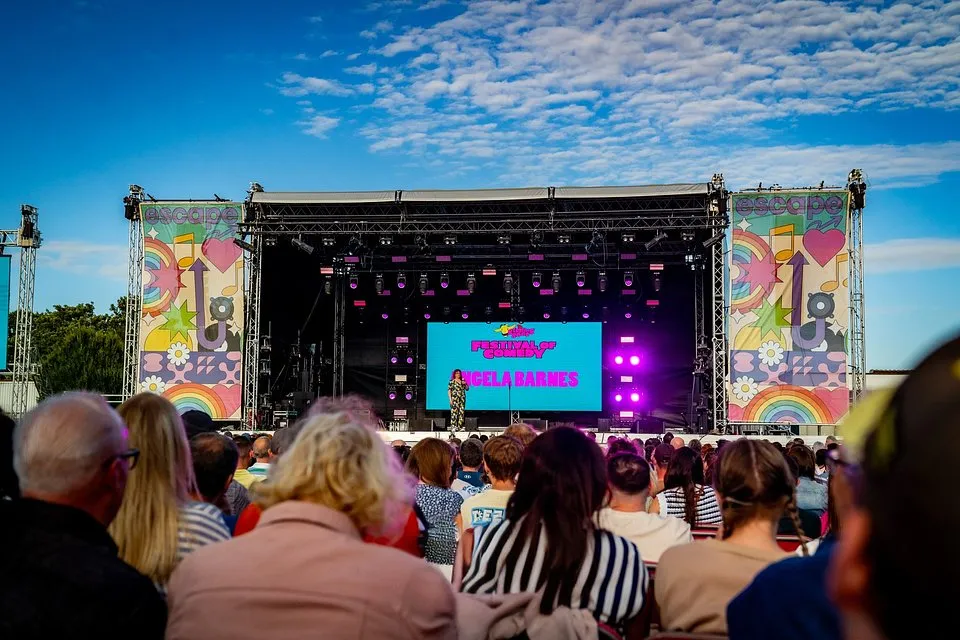 Photo: The Giggling Goat, via static.myeasol.net
"People think we're mad," says Sarah Chen, who's run the club for seven years. "Why would anyone leave their sofa when they can watch Dave Chappelle in their pyjamas?" She gestures toward the makeshift stage where a nervous twenty-something is setting up his guitar. "Because this lad might bomb spectacularly, or he might be the next James Acaster. You can't get that uncertainty from a screen."
The Giggling Goat represents something streaming services can't replicate: the beautiful unpredictability of live performance. When comedian Mark Steel bombs a joke about local politics, he pivots to riffing with a heckler from the front row. When newcomer Jenny Morrison forgets her punchline halfway through, the audience collectively willing her to remember becomes part of the show.
Against the Digital Tide
Britain's comedy club circuit has weathered storms before. The alternative comedy boom of the 1980s, the lad culture backlash of the 1990s, the rise of panel shows in the 2000s. But the Netflix generation presents a different challenge entirely.
"We're competing with convenience," explains Tony Jameson, who books acts for six clubs across the North West. "Why risk a dud night when you can guarantee laughs from your favourite comedian whenever you want them?" His answer lies in the clubs that have survived: they've doubled down on what makes them irreplaceable.
The Frog and Bucket in Manchester has turned its sticky floors into a selling point. Their "Beat the Frog" nights, where acts get gonged off for poor performance, have become legendary precisely because they embrace the chaos Netflix algorithms eliminate. "We're not selling polished comedy," says venue manager Lisa Park. "We're selling the full experience – the sweat, the bombs, the moments when everything clicks."
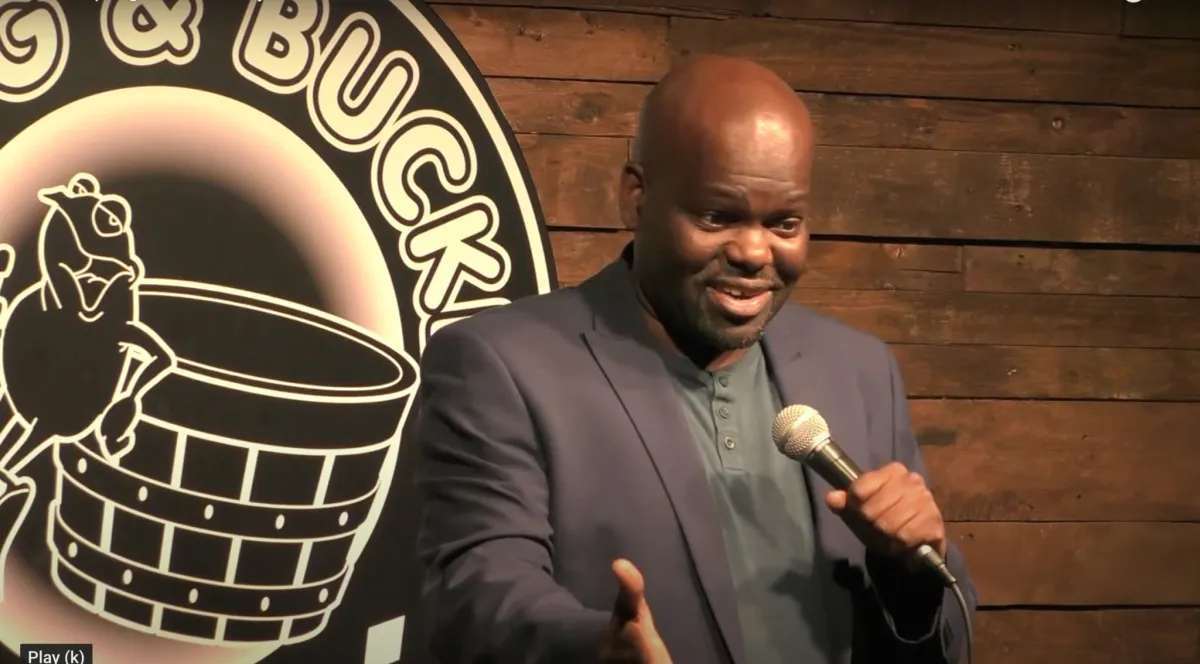 Photo: The Frog and Bucket, via frogandbucket.com
The Democracy of the Mic
What streaming can't replicate is the democratic nature of live comedy. At Edinburgh's The Stand, a software engineer named David tries his first five-minute set between established acts. His material about debugging code gets genuine laughs from an audience that includes both tech workers and pensioners. "Where else does that happen?" asks David afterwards, still buzzing from his first taste of stage time.
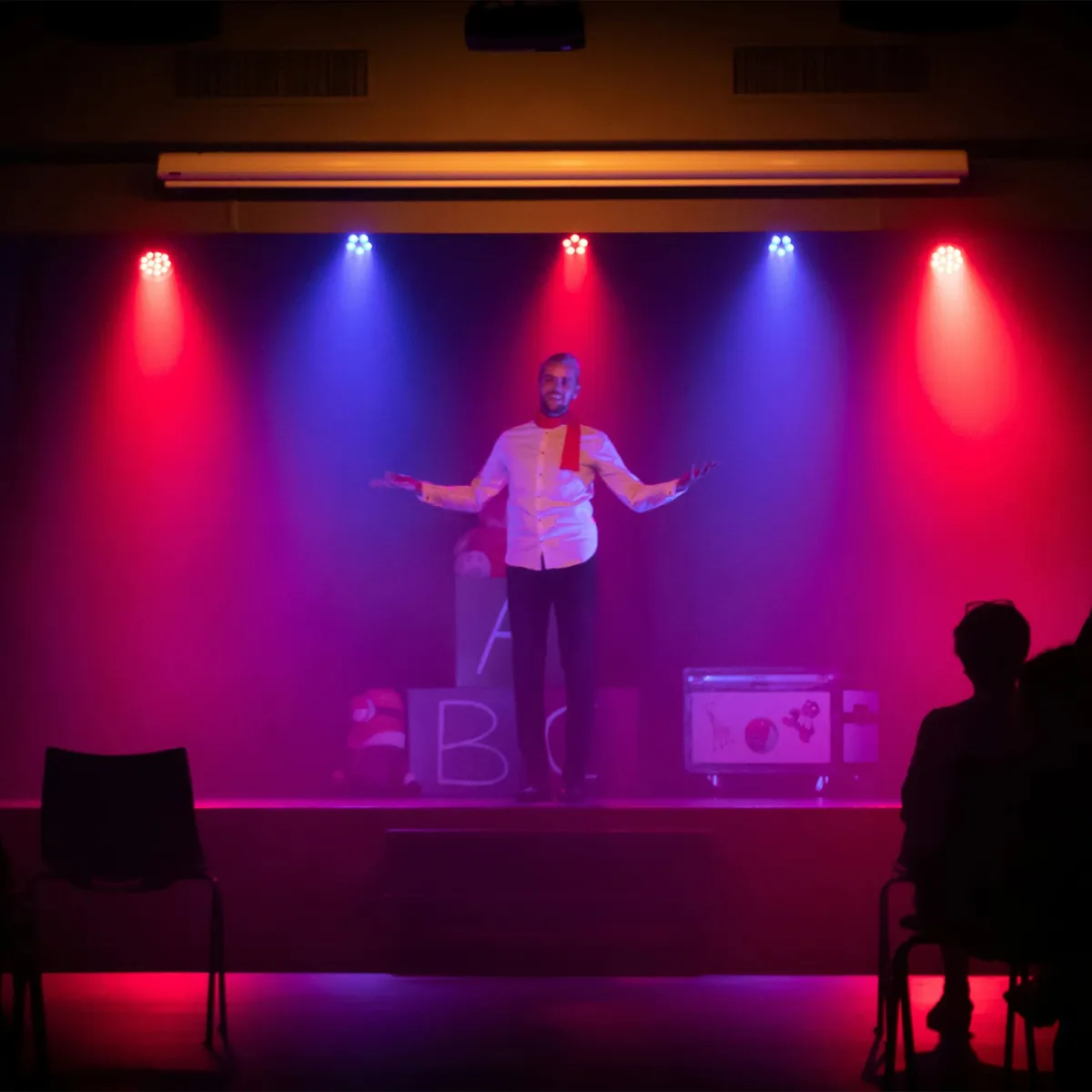 Photo: The Stand, via applications-media.feverup.com
This accessibility has always been British comedy's strength. Unlike television or streaming, where gatekeepers decide who gets seen, club nights operate on a simpler principle: if you're brave enough to try, there's usually a slot. The Comedy Store in London still runs its famous "gong show" format, unchanged since 1979.
Adaptation Without Compromise
Smart club owners have learned to work with, rather than against, the digital age. The Boat Show Comedy Club in London streams selected nights on YouTube, but only after they've happened. "It's not about competing with Netflix," explains owner Marcus Webb. "It's about showing people what they're missing when they stay home."
Some venues have embraced hybrid models. The Stand-Up Comedy Club Birmingham runs "Netflix and Chill" nights where they screen classic British comedy before live acts take the stage. It's a bridge between old and new that acknowledges streaming's place while asserting live comedy's unique value.
The Economics of Laughter
The numbers tell a story of resilience. While many venues closed during the pandemic, those that survived have found their audiences returning with renewed appreciation for live experience. "People had two years of screens," observes Chen. "They remembered what they were missing."
Ticket sales at established clubs have recovered to pre-2020 levels, but the ecosystem has changed. Smaller venues have struggled with rising rents and energy costs, while audience expectations have shifted. "They want the Instagram moment now," notes Jameson. "The selfie with the brick wall backdrop, the story for their socials. We've had to think about that."
The Unscripted Future
As Britain's comedy clubs navigate their post-streaming survival, they're discovering that their greatest strength was always their greatest vulnerability: unpredictability. A Netflix special is the same every time you watch it. A Tuesday night at The Giggling Goat is never the same twice.
"We're not trying to compete with streaming," reflects Chen, watching the evening's final act win over a initially sceptical crowd. "We're offering something completely different – the chance to be part of the story, not just watch it unfold."
In a world increasingly mediated by algorithms and screens, Britain's comedy clubs remain defiantly human. They're messy, unpredictable, and sometimes disappointing. They're also irreplaceable, and perhaps that's exactly why they've survived the digital revolution that was supposed to make them obsolete.
The last comic finishes to genuine applause. The audience files out into the Stockport night, already planning their return next week. Netflix will still be there when they get home, but it won't have that story about the comedian who forgot his punchline and found a better one in the moment. That belongs to Tuesday night, and Tuesday night belongs to them.