The Heart of the Village
There's something profoundly moving about stepping into a village hall on concert night. The smell of instant coffee mingles with the creak of wooden floors that have witnessed decades of musical moments. Folding chairs arranged in imperfect rows face a makeshift stage where tonight, Mrs Henderson from the post office will accompany young Jamie's violin debut, and the local jazz quartet will attempt their ambitious take on 'Take Five'.
These aren't venues you'll find on Ticketmaster. They're the beating hearts of communities across Britain, where music happens not because of marketing budgets or record deals, but because people simply need to gather and share something beautiful together.
More Than Just a Room
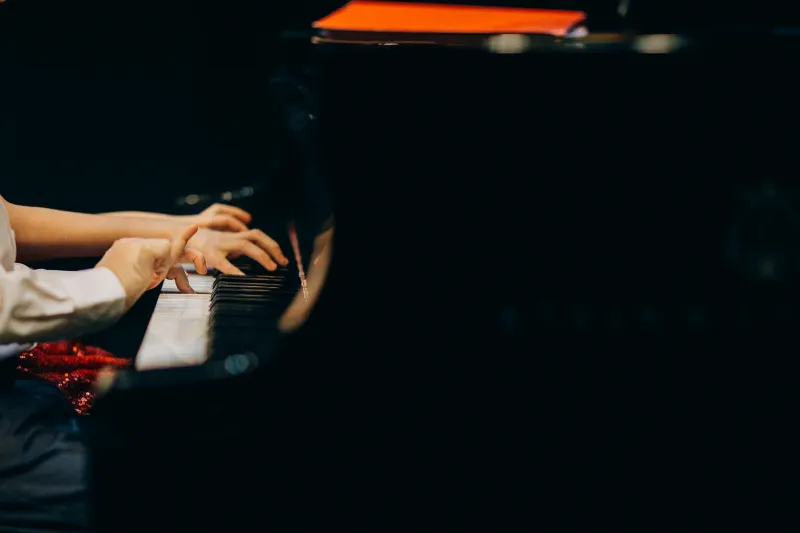
Brian Matthews, who's been organising monthly concerts at Wellow Village Hall in Nottinghamshire for thirty-seven years, puts it best: "We're not running a business here. We're keeping something alive that's bigger than any of us." His weathered hands gesture toward the hall's modest stage, where a piano donated by the Women's Institute in 1962 still serves as the centrepiece for performances ranging from classical recitals to folk sessions.
The mathematics of village hall concerts tell their own story. Ticket prices hover around £8-12, barely covering costs. Performers often play for petrol money and the promise of homemade cake during the interval. Yet these events consistently draw audiences of 60-80 people in villages where the entire population might only reach 400.
"It's not about the money," explains Sarah Whitfield, a folk singer who's performed at dozens of village halls across the Yorkshire Dales. "There's an intimacy here you can't replicate anywhere else. When you're singing to your neighbour, your postman, the person who sold you eggs last Tuesday – that changes everything."
The Democracy of Small Stages
Village hall concerts operate on principles that would baffle music industry executives. Programming decisions emerge from community consensus rather than market research. A retired teacher might suggest inviting the local brass band. The parish council might propose hosting a young singer-songwriter they heard busking in the nearby market town. Success is measured in smiles, not streams.
This grassroots approach has created surprising musical diversity. Thornton-le-Beans Village Hall in North Yorkshire has hosted everything from Mongolian throat singers to experimental electronic artists alongside traditional morris dancers and amateur operatic societies. "We don't really discriminate," admits committee member David Pearson. "If someone's passionate about their music and willing to travel to our little corner of nowhere, we'll give them a platform."
Keeping Tradition Breathing
The village hall circuit has quietly sustained musical traditions that might otherwise have vanished. Folk songs specific to particular regions continue to be performed and passed down through these intimate gatherings. Local dialects and accents remain unfiltered, creating authentic cultural exchanges that streaming platforms can't replicate.
Margaret Thompson, who runs concerts at Bishops Lydeard Village Hall in Somerset, describes discovering a 94-year-old man who knew seventeen traditional harvest songs. "He'd never performed publicly, but when word got round, people came from three counties to hear him. That's not nostalgia – that's living history."
The Quiet Renaissance
Whilst many village halls struggled during the pandemic, a surprising revival has emerged. Younger families, seeking alternatives to screen-dominated entertainment, are rediscovering the appeal of live, local music. Village halls report increased attendance from 30-something parents eager to share real musical experiences with their children.
"We're seeing people who've moved here from cities, bringing different musical tastes but embracing the community spirit," notes Jenny Clarke from Aldbourne Village Hall in Wiltshire. "Last month we had a London songwriter performing alongside our local choir. The blend was extraordinary."
Beyond the Music
These gatherings serve purposes that extend far beyond entertainment. They're informal support networks where isolated elderly residents find companionship, where teenagers gain confidence performing before encouraging audiences, where newcomers to villages make their first local connections.
The interval tea and biscuits aren't just refreshments – they're essential social infrastructure. Conversations that begin during these breaks often continue long after the final encore, weaving the musical experience into the broader fabric of community life.
Preserving Something Precious
As Britain's cultural landscape becomes increasingly digitised and centralised, village hall concerts represent something irreplaceable: music as community ritual rather than commodity. They remind us that before music became an industry, it was simply what people did together when they gathered.
These modest venues may lack the glamour of concert halls or the convenience of streaming services, but they offer something equally valuable: the chance to experience music as it was always meant to be – shared, immediate, and profoundly human.
In an age of algorithmic recommendations and virtual performances, perhaps the greatest act of rebellion is gathering in a draughty village hall to hear your neighbour play the piano. It's not just entertainment – it's democracy in action, community in practice, and culture at its most authentic.