The Vinyl Revival: How Britain's Record Fairs Became the Heartbeat of Music Culture Again
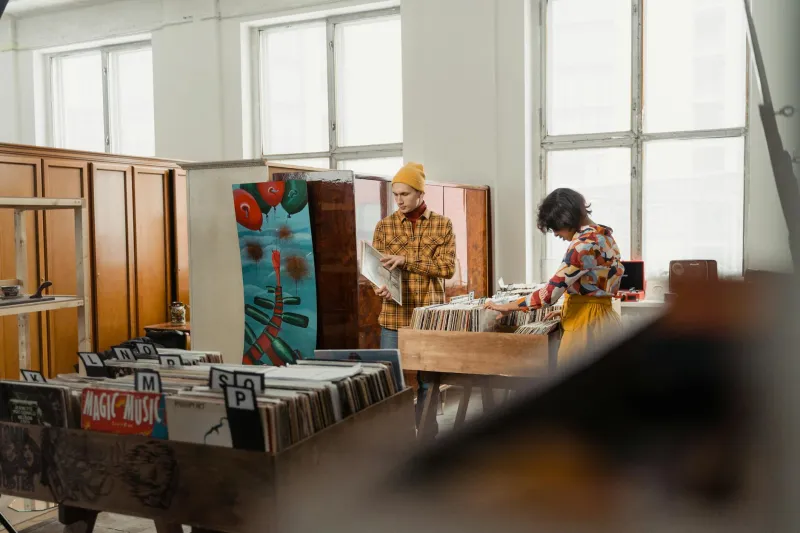
There's something almost ritualistic about the way Sarah Mills runs her fingers across the record spines at Brick Lane's monthly vinyl fair. The 26-year-old marketing executive from Hackney has been making the pilgrimage every first Saturday for three years now, armed with a mental wishlist and the kind of patient determination that streaming services simply can't replicate.
"It's the complete opposite of Spotify," she tells me, pulling out a pristine copy of The Smiths' 'Hatful of Hollow'. "Here, you might spend two hours looking for something specific and never find it. But then you'll discover three albums you never knew existed. That's the magic."
From Decline to Renaissance
Record fairs were once the domain of middle-aged men in anoraks, hunting down obscure progressive rock bootlegs in dusty church halls. Fast-forward to 2024, and these events have transformed into vibrant cultural gatherings that attract everyone from teenagers discovering their parents' favourite bands to seasoned collectors seeking that elusive first pressing.
The numbers tell the story. According to the Record Fair Association, attendance at UK vinyl fairs has increased by 340% since 2019. What was once a niche hobby has become a mainstream cultural phenomenon, with major cities hosting multiple events monthly and smaller towns clamouring to establish their own.
Tom Henderson, who organises Manchester's Northern Quarter Record Fair, has witnessed this transformation firsthand. "Five years ago, we'd get maybe 200 people through the door on a good day. Now we're regularly hitting capacity at 800, and we've had to introduce timed entry slots."
The Human Algorithm
What's driving this resurgence isn't just nostalgia for vinyl's supposedly superior sound quality – though that's certainly part of it. It's the fundamental human need for discovery that feels authentic rather than algorithmic.
"Streaming platforms know what you like and feed you more of the same," explains Dr. Emma Whitfield, a cultural anthropologist at Leeds University who's been studying the vinyl revival. "Record fairs offer the opposite experience – serendipitous discovery guided by human interaction rather than data analysis."
This human element is crucial. At Birmingham's Digbeth Record Fair, I watch as 19-year-old Jake Thompson seeks advice from veteran dealer Malcolm Price about building a jazz collection. Price, who's been trading for four decades, doesn't just recommend albums – he tells stories about the musicians, the recording sessions, the cultural context that gave birth to each piece of music.
"You can't get that from Wikipedia," Thompson says, clutching a Blue Note compilation Price selected for him. "This is like having a music professor who actually lived through it all."
The Economics of Passion
The financial dynamics of record fairs reveal fascinating insights into how we value music. While a monthly Spotify subscription costs £9.99, fair-goers routinely spend £50-100 per visit on physical records. Yet this isn't seen as extravagant – it's viewed as investment in both personal collection and cultural preservation.
Dealer Jenny Walsh, whose stall at London's Portobello Road fair specialises in British indie and post-punk, explains the psychology: "People aren't just buying music – they're buying a piece of history, a conversation starter, something tangible in an increasingly digital world."
The price points vary dramatically. Rare original pressings can command hundreds of pounds, while reissues and common titles remain accessible to casual buyers. This range ensures fairs cater to all economic levels, from students spending their weekly budget on one cherished album to serious collectors making significant investments.
Community in the Digital Age
Perhaps most significantly, record fairs have become genuine communities in ways that online music consumption simply cannot replicate. Regular attendees form friendships, share knowledge, and create informal networks that extend far beyond buying and selling.
At Edinburgh's monthly Grassmarket fair, I encounter a group that calls itself the 'Vinyl Virgins' – professionals in their thirties who meet monthly to explore record collecting together. They share discoveries, trade duplicates, and attend gigs based on fair finds.
"We all work in tech or finance," explains group member Claire Davidson. "Our daily lives are completely digital. Coming here, handling physical objects, talking to real people about music – it's almost therapeutic."
The Future of Physical Music Culture
As record fairs continue to grow, they're evolving beyond simple buying and selling. Many now incorporate live music, DJ sets, and educational talks. Some partner with local venues to create weekend-long celebrations of music culture.
This evolution suggests record fairs aren't just surviving the digital age – they're thriving because of it. In a world of infinite choice and algorithmic recommendations, the constraints and human connections of physical record fairs offer something genuinely different.
"We're not competing with streaming services," says Henderson. "We're offering something they can't – real community, genuine discovery, and the irreplaceable experience of holding music history in your hands."
As I leave Brick Lane fair, watching Sarah Mills carefully slide her new acquisitions into protective sleeves, it's clear that Britain's record fairs represent more than just retail therapy. They're cultural institutions where music's past, present, and future converge in the most human way possible – through shared passion, chance encounters, and the simple pleasure of discovering something wonderful when you least expect it.