Ink, Squeegee and the Sound of Tomorrow: The Poster Artists Still Pasting Britain's Gigs Into Memory
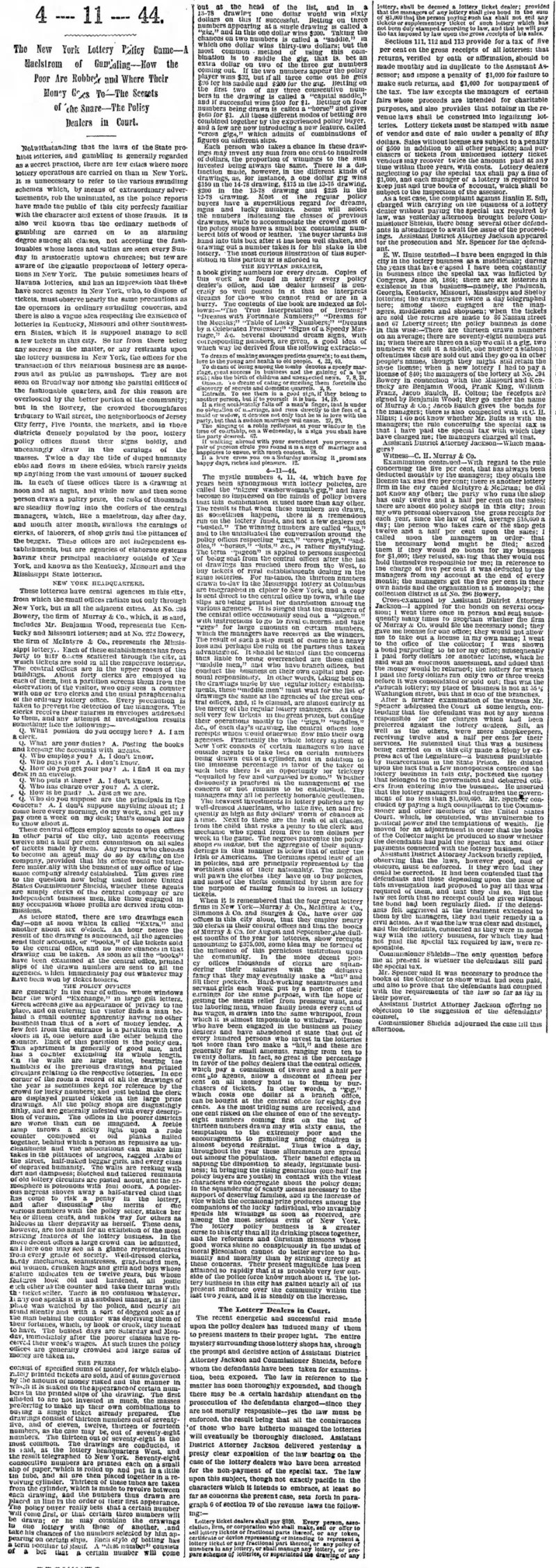
Photo: AnonymousUnknown author, Public domain, via Wikimedia Commons
On a wet Tuesday in Leeds, the smell arrives before the artwork: warm ink, solvent, the faint sweetness of fresh paper. In a shared studio above a row of shops, a screen-printer is pulling a three-colour poster for a band who, by Friday, will be playing to maybe 200 people in a room with a low ceiling and a stubborn PA. The printer has been at it since 7am. The band confirmed the artwork late. The venue wants 40 copies for the walls. The band want 100 to sell on the merch table. Nobody has quite agreed who is paying for the second colour.
This is the unglamorous reality of the British gig poster: part craft, part crisis management, part small miracle. And it remains one of the most democratic art forms we have. You do not need a gallery invitation. You need a wall, a staple gun and somebody willing to risk a fresh print in the rain.
The first support act
A good gig poster does a very specific job. It has to say who, where and when without making the passer-by work for it. It has to carry the band's world in a single image. And it has to survive the journey from printer to venue without turning into pulp. In that sense, it is not decoration. It is the first support act — the thing that sells the show before a note is played.
The best examples live in the memory as much as on the wall. Think of the photocopied punk flyers of the late 1970s, all jagged type and ransom-note energy. Think of the 1990s club flyers that turned Manchester and London stairwells into temporary galleries. Think of the modern limited-edition screen print: numbered, signed, sold at the merch desk and then, increasingly, filed away by collectors who never intended to put it up in the first place.
That shift — from street-level promotion to collectible object — has changed the economics and the psychology of the form. A poster is no longer only a notice. It is a document of a night that may never happen again.
From paste-up to print run
Ask anyone who has run a small venue about posters and you will hear a familiar complaint: fewer walls, more rules, less money. Councils have tightened rules on fly-posting. Landlords have repainted. Boards have been replaced by digital screens. And the humble A3 sheet has been squeezed by the same forces that have squeezed everything else in live music: rising costs, shorter lead times and the assumption that social media is free.
It is not free, of course. It is just differently expensive. An Instagram post can reach thousands of people in seconds, but it also disappears in seconds. A poster in a chip shop window in Sheffield or a record shop door in Bristol has a slower, stickier kind of reach. It catches people who were not already looking for the gig. That is the bit the algorithm struggles with: serendipity.
A screen-printer I spoke to in Glasgow described the current climate as 'a constant negotiation between romance and invoices'. The romance is real. So is the invoice for paper, ink, emulsion and time. A short run of 50 posters can take a day to set up and print. If the band's budget is £120, the maths is brutal. Many printers subsidise gig work with commercial jobs, or treat it as portfolio-building. Some have simply stopped.
Deadlines, budgets and the brutal maths of paper
Poster artists work to a deadline that is often set by someone else's chaos. The headline act changes. The support act pulls out. The venue moves the door time. The ticket link is wrong. The band's logo arrives as a screenshot. And still the poster has to be on the wall by Thursday.
'You learn to design for the worst-case scenario,' one illustrator told me. 'Leave space for a late addition. Keep the type simple enough to change. Never promise a colour you cannot print in a hurry.'
That practicality shapes the art. The best gig posters are not overworked. They are decisive. A bold shape, a strong photograph, a hand-drawn headline, a single strange colour. They look good at A3 and they look good at thumbnail size, which is now just as important.
The collectors have noticed. Limited-edition gig prints now sell for sums that would have seemed absurd in the 1990s. Artists release their own runs. Bands sell tour posters as merchandise. There is a thriving market in archival prints and reissues. None of this is bad for the craft — it puts money in artists' pockets — but it does create a strange tension. The poster was made to be seen by everyone. Now it is often bought to be kept by someone.
What the algorithm can't do
Social media has not killed the gig poster, but it has changed its role. The feed is where you confirm the details. The wall is where you discover the night. A poster can still stop someone in the street in a way that a sponsored post rarely does. It can make a small room feel like an event. It can give a local scene a visual language.
That language matters. Britain's gig posters have absorbed punk, rave, indie, folk, jazz, grime and everything in between. They have been made by art-school dropouts, sign painters, illustrators, designers and people who just knew their way around a photocopier. They have been pasted onto boarded-up windows and pinned to the noticeboards of church halls. They are part of the furniture of British music culture.
And they are fragile. Paper tears. Ink fades. Rain gets in. The poster that advertises tonight's show is tomorrow's recycling. That is part of the point. It is ephemeral by design. The fact that some of it survives — in archives, in collections, in the back of a wardrobe — is a happy accident.
Still wet from the squeegee
Back in Leeds, the printer lifts the screen. The third colour has landed cleanly. The band's name sits at the top in a chunky, slightly wonky typeface. The venue is spelled correctly. The date is right. For a moment, everyone in the studio looks at the sheet as if it might do something.
It will. Tomorrow it will be stapled to a board outside a venue, tucked under a pint glass in a pub, taped to the window of a bus-stop kiosk. Someone will see it on their way home and think: that might be a laugh. That is the whole job. The poster sells the show before a note is played, and then it disappears. The best ones leave a mark anyway.