The Show's Not Over: Whatever Happened to the Honest Encore?
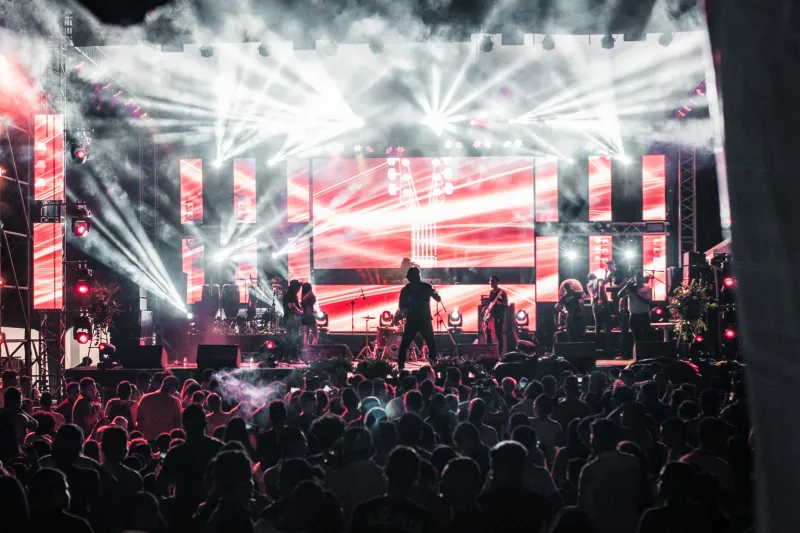
You know exactly how it goes. The lights drop. The band walks off. The crowd cheers, stamps, chants. There's a pause — just long enough to feel meaningful — and then back they come, slightly breathless, apparently delighted by the reception, to play two or three more songs that happen to include the biggest hits of the evening. The crowd goes home satisfied. Everyone's done their part.
Except the whole thing was on the setlist from the start. The songs were soundchecked. The lighting cues were programmed. The 'spontaneous' return was timed to the minute. Nobody walked off not knowing they were coming back. The encore, as practised by the vast majority of British touring acts in 2024, is a piece of theatre — and not always a particularly convincing one.
This might seem like a trivial complaint. People had a good night. The songs got played. What does it matter whether the mechanism was genuine or manufactured? But I think it matters more than we're willing to admit, and the reasons why it's happened tell us something uncomfortable about where live music has ended up.
How We Got Here
The encore has a proper history, and it wasn't always a formality. In the era of genuinely spontaneous live performance — think pub rock, early punk, the sweaty theatre circuit of the seventies and eighties — an encore meant something. It was the crowd demanding more and the band deciding, in that moment, whether to give it. Sometimes they didn't. Sometimes the encore went on for forty-five minutes because something extraordinary was happening in the room. The unpredictability was the point.
As touring became more professionalised, the economics changed. Curfews got stricter. Venues started issuing financial penalties for overruns. Production became more elaborate — which is brilliant, but also means you can't just nip back on stage and play an extra song without the lighting rig doing something unplanned. The infrastructure of the modern concert tour essentially made genuine spontaneity expensive.
At the same time, the rise of streaming fundamentally altered the relationship between artists and their catalogues. When every song a musician has ever recorded is available to anyone at any time, the live show has to work harder to justify its existence. It becomes more of a produced experience — a Greatest Hits presentation rather than a living, breathing performance. And produced experiences have setlists. Setlists have encores. Encores get rehearsed.
The Psychology of the Walkoff
There's a reasonable argument that the theatrical encore serves a genuine psychological function, even when everyone involved knows it's staged. The walkoff creates a natural break — a moment of anticipation that makes the returning songs land harder. It's a structural device that works, in the same way that a pause before the punchline works even when you can see it coming.
Some artists are honest about this. They'll come back on stage and openly acknowledge that yes, they were always coming back, but they wanted to give everyone a chance to make some noise. There's something rather charming about that transparency — it treats the audience as adults who can enjoy a ritual while knowing it's a ritual.
What's harder to defend is the version where the pretence is maintained without anyone acknowledging it's a pretence. The band acts surprised and grateful. The crowd acts like it won something. It's a pantomime in which everyone knows their lines but nobody will admit the script exists. At that point, the encore has stopped being a moment of connection and become something closer to a mild deception.
What We Actually Lost
The real casualty isn't the encore itself — it's the broader culture of spontaneity that the genuine encore represented. When bands could deviate from setlists, take requests, play longer because the room demanded it, there was always the possibility that something unrepeatable might happen. That possibility was part of what made live music live.
Ask anyone who was at a legendary gig — the ones people talk about decades later — and almost invariably something unexpected happened. A cover version nobody saw coming. A technical disaster that turned into a joke that turned into a defining moment. A musician who was visibly moved by the reception and let that emotion reshape the remainder of the show. These things don't happen in tightly scheduled productions, and they can't.
Britain has a particularly rich tradition of this kind of live music alchemy. The pub circuit, the festival culture, the club nights that ran until the promoter physically stopped them — there was always an understanding that the best nights were the ones that got away from everyone slightly. That understanding has been quietly eroded by professionalism, economics and the relentless pressure to deliver a consistent product night after night across a forty-date tour.
Some Artists Are Pushing Back
It would be unfair to suggest this is universal. There are artists — particularly at the smaller, more independent end of the touring spectrum — who are actively resisting the choreographed concert format. Some have abandoned the encore entirely, playing straight through and then stopping, which is at least honest. Others have reintroduced genuine flexibility into their sets, taking requests, extending songs that are clearly landing, cutting ones that aren't.
Interestingly, some of the most compelling live performances in recent British music have come from artists who've deliberately stripped back the production to create space for things to go wrong — or right — in unplanned ways. The vulnerability of not quite knowing what happens next turns out to be enormously appealing to audiences who've grown tired of attending what is essentially a very expensive playback of an album.
Festivals, too, still occasionally produce moments of genuine spontaneity — partly because the logistics are different and partly because the culture of festival performance has always been slightly more permissive. The unscheduled guest appearance, the set that runs long because the crowd won't let the artist leave — these things still happen, and when they do, people talk about them for years.
Does It Matter?
Perhaps the honest answer is: it depends on what you want from live music. If a concert is primarily a delivery mechanism for songs you love, performed well, in an entertaining setting, then the staged encore is a perfectly acceptable convention. You got what you came for. The night was good.
But if you believe — as I do — that live music at its best is about genuine human connection, about the unrepeatable chemistry between performers and audience on a specific night, then the disappearance of real spontaneity is a meaningful loss. Not a catastrophic one. But a loss nonetheless.
The encore was always a small thing. A few songs, a bit of cheering, a walk offstage and back again. But it was also a symbol of something larger — the idea that a live performance is a conversation rather than a presentation, and that sometimes the audience gets to say what happens next. We've traded that for something more polished and considerably less interesting. Whether we notice, or care, says quite a lot about where we've ended up.