The Needle and the Thread: Britain's Unsung Costume Keepers Weaving Magic From Spare Rooms
The Hidden Wardrobe Mistresses
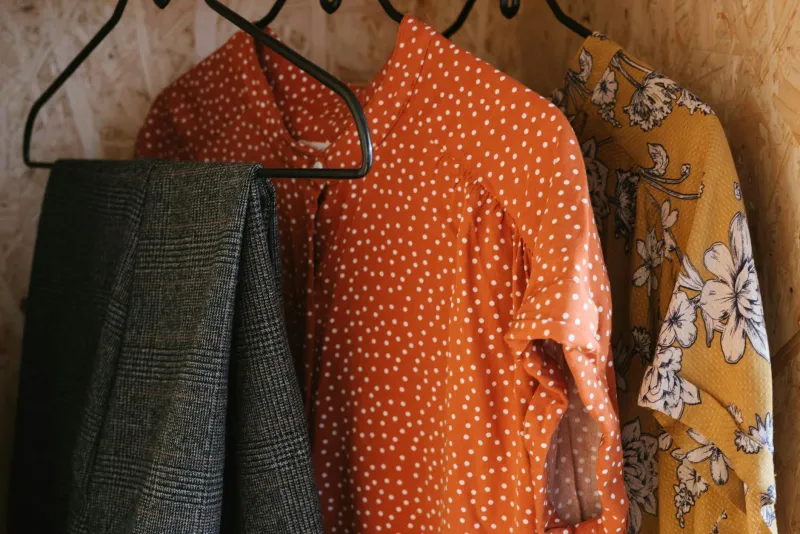
In a converted garage in Stockport, Margaret Thornton runs her fingers along rails of Victorian ballgowns, Tudor doublets, and 1920s flapper dresses. Each garment tells a story—not just of the characters they've brought to life on amateur stages across Greater Manchester, but of the countless hours spent sourcing, altering, and maintaining what amounts to a living museum of theatrical costume.
Margaret is one of hundreds of volunteer costume keepers scattered across Britain, the unsung heroes who make amateur dramatics possible. Without fanfare or recognition, they've built extraordinary collections from charity shop discoveries, remnant sales, and their own nimble needlework. Their dedication transforms village halls into Victorian drawing rooms and school gymnasiums into medieval castles.
"People see the finished production and think the costumes just appear," Margaret laughs, gesturing toward a rail of Shakespearean robes awaiting repair. "They don't see the months of planning, the dawn raids on car boot sales, or the evenings spent unpicking seams by lamplight."
Miracles on a Shoestring
The economics of amateur theatre costume are staggering in their impossibility. A single period production might require thirty authentic-looking outfits, each costing hundreds of pounds if sourced commercially. Instead, these volunteer custodians perform daily miracles of transformation—turning curtain fabric into royal robes, repurposing wedding dresses into ball gowns, and creating convincing military uniforms from surplus store finds and careful tailoring.
In Exeter, retired teacher Janet Phillips has turned her spare bedroom into a costume library serving drama groups across Devon. Her collection spans centuries and genres, from Roman togas crafted from bed sheets to elaborate pantomime dame frocks that took weeks to construct. "The challenge is making everything look expensive when you've spent virtually nothing," she explains, showing off a Tudor gown created entirely from charity shop discoveries and her own handiwork.
The ingenuity required is remarkable. Period accuracy battles budget constraints, leading to creative solutions that would impress professional theatre designers. A Victorian gentleman's outfit might combine an authentic waistcoat from a house clearance, trousers altered from a modern suit, and a top hat rescued from a fancy dress shop's closing-down sale.
The Keepers' Community
These costume custodians form an informal network across Britain, sharing resources, expertise, and occasionally entire productions' worth of outfits. When Rotherham Amateur Operatic Society needed Edwardian evening wear for their production of "My Fair Lady," a single phone call connected them with a collector in Sheffield whose late mother had maintained costumes for decades.
"We're like a secret society of theatrical magpies," jokes David Chen, who runs a costume collection from his converted barn in the Cotswolds. "We know every charity shop manager within fifty miles, and we can spot theatrical potential in the most unlikely garments."
The knowledge these volunteers possess extends far beyond basic sewing skills. They're historians of fashion, experts in period detail, and masters of theatrical illusion. Many have developed encyclopaedic knowledge of historical dress, accumulated through decades of research and practical application.
Racing Against Time
But this remarkable world faces an existential crisis. Many of Britain's costume keepers are reaching retirement age, with few younger volunteers stepping forward to inherit their collections and expertise. The physical demands of maintaining large costume libraries—the lifting, sorting, and storage—become increasingly challenging with age.
Margaret Thornton worries about the future of her Stockport collection. "I'm seventy-three now, and my daughter lives in Australia. Who's going to want boxes of Victorian corsets and Tudor ruffs cluttering up their house?"
The specialised knowledge required to maintain these collections properly is equally at risk. Understanding how to store delicate fabrics, repair period construction techniques, and maintain authentic appearances requires years of experience that can't easily be transferred through instruction manuals.
Digital Disruption and Modern Challenges
Contemporary pressures add further complications. Rising storage costs force difficult decisions about which pieces to keep. Insurance requirements for amateur groups increasingly favour hiring costumes from commercial suppliers rather than relying on volunteer-maintained collections. Even the source materials are changing—charity shops now export many donated clothes abroad rather than selling them locally.
Social media has created new expectations too. Audiences accustomed to high-production values from streaming services expect amateur productions to meet increasingly professional standards, putting additional pressure on volunteer costume teams working with minimal resources.
The Irreplaceable Heritage
What makes the potential loss of these collections particularly tragic is their unique character. Unlike commercial costume hire companies that focus on popular, frequently-requested items, volunteer keepers preserve theatrical oddities and local history. Janet Phillips' collection includes costumes from defunct amateur societies dating back to the 1950s, each piece carrying memories of performances and personalities long forgotten.
"These aren't just costumes," she reflects, carefully folding a 1960s musical theatre gown. "They're the physical memory of British amateur theatre. When they're gone, that connection to our theatrical heritage goes with them."
The question facing Britain's amateur theatre community is stark: how do you preserve not just the costumes themselves, but the knowledge, passion, and community spirit that created them? The needle and thread that have sewn together countless magical evenings in village halls and school stages across the country may soon fall still, leaving future productions significantly poorer in both authenticity and heart.