Before the Cameras Rolled: The Unsung Art of the Television Warm-Up Comedian
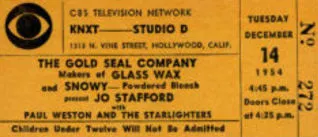
Photo: CBS Television, Public domain, via Wikimedia Commons
Imagine being asked to make three hundred strangers laugh for forty-five minutes, in a room that smells of industrial carpet and electrical cable, under fluorescent pre-show lighting, with no script, no set, no band, and the explicit understanding that the moment the actual talent walks in, you cease to exist.
That was the job. That is still, in the diminishing number of places it survives, the job. And the people who did it well were, by any reasonable measure, some of the most skilled live performers Britain has ever produced.
The warm-up comedian is one of those roles that everyone who works in television knows about and almost nobody outside it has ever properly considered. They were fixtures of the great era of British studio television — the chat shows, the panel programmes, the light entertainment spectaculars that defined Saturday night viewing from the 1970s through to the 2000s. They were also, almost by definition, invisible to the people they served.
What the Job Actually Required
The technical demands of warming up a studio audience are not small. You're working with a crowd that has no particular reason to be in a generous mood — they've queued outside in the cold, been shepherded through security, had their phones confiscated, and are now sitting in seats that may or may not be comfortable, waiting for something that may or may not start on time.
Your job is to turn that collection of mildly irritated strangers into something that functions as a responsive, energised audience — one that will laugh at the right moments, react naturally rather than stiffly, and not sit in awkward silence when the host pauses for a reaction shot. You need to do this without alienating anyone, without running material that might clash with the show's tone, and without going so far that the real programme feels like a comedown.
You also need to handle the gaps. Television recording is not a smooth, continuous experience. Scenes are reshot. Technical faults halt proceedings. The host disappears for a costume change that takes longer than expected. The warm-up comedian fills these voids — keeping the room alive, preventing the energy from draining away, sometimes holding a cold audience together through delays that stretch to an hour or more.
It requires exceptional improvisational instinct, an almost clinical ability to read a room, and the kind of resilience that comes from having failed in front of crowds enough times to stop being frightened of it.
The Legends Who Made It a Craft
Within the industry, certain names are spoken with genuine reverence. Bobby Bragg was among the most celebrated warm-up men of the golden era, known for his ability to transform even the most reluctant audience into something usable within minutes. Don Maclean, who many viewers knew from his own television appearances, spent significant portions of his career doing warm-up work, bringing a professionalism to the role that influenced a generation of performers who came after him.
 Photo: Don Maclean, via facts.net
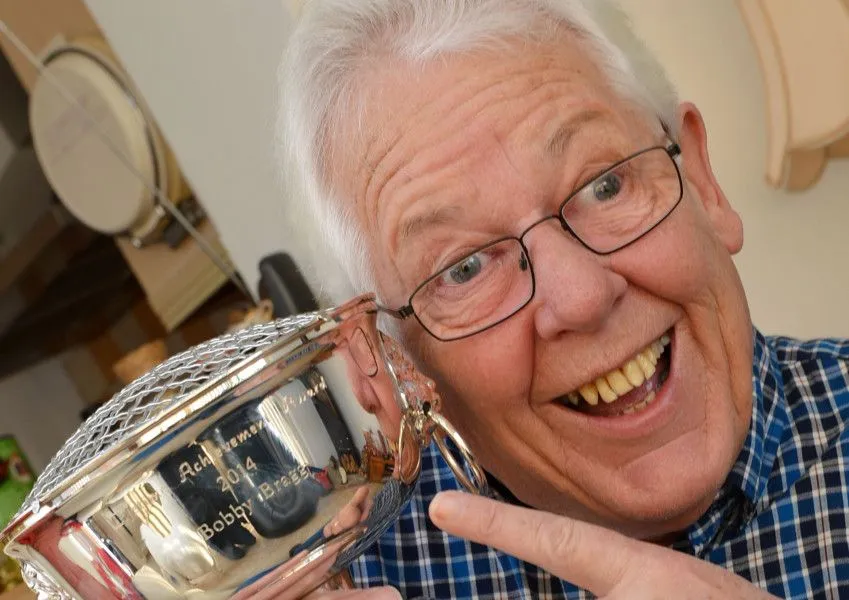 Photo: Bobby Bragg, via www.banburyguardian.co.uk
Mark Olver became something of an institution on the BBC circuit, associated with some of the most-watched programmes of the nineties and 2000s. The names vary depending on who you ask, but the qualities described are consistent: timing, adaptability, an absolute absence of ego, and an almost supernatural ability to keep fifty different conversational balls in the air simultaneously.
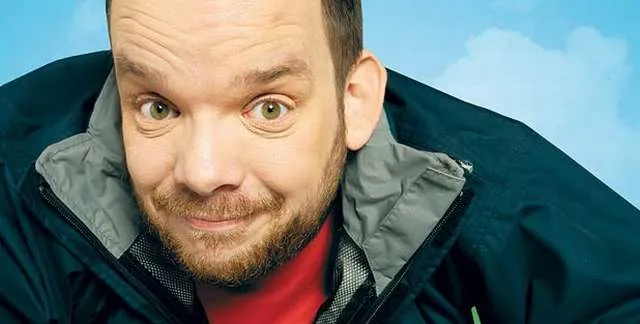 Photo: Mark Olver, via www.justthetonic.com
What's striking, talking to people who worked alongside these performers, is how rarely they were precious about the role. The best warm-up comedians understood exactly what they were there to do and took enormous professional pride in doing it brilliantly, without any apparent resentment that the credit would go elsewhere.
The Particular Pressures of the Invisible Gig
There's a psychological dimension to warm-up work that doesn't get discussed enough. You are, structurally, a support act for a show that isn't a gig. The audience hasn't come to see you. The production team's attention is elsewhere. If you do your job perfectly, nobody notices — which is exactly how it should be, but which requires a specific kind of confidence that isn't the same as the confidence required to headline a comedy club.
The financial reality was also complicated. Warm-up work paid reasonably well by the standards of the live comedy circuit, but it wasn't the kind of income that built a public profile or led to the television appearances that sustained a long career in the public eye. Many warm-up comedians supplemented the work with club gigs, corporate bookings, and pantomime — the unglamorous bread and butter of the working comedian's year.
A few managed the crossover into recognisable television careers. Most didn't, and were entirely philosophical about it. The work suited certain temperaments — people who genuinely enjoyed the craft of audience management for its own sake, who found the challenge of the cold room more interesting than the validation of the spotlight.
Why the Role Is Shrinking
The structural changes in British television over the past decade have not been kind to warm-up culture. The live studio audience, once central to the grammar of British light entertainment, has contracted significantly. Panel shows are increasingly recorded in smaller venues or without audiences altogether. Chat shows have migrated to formats that don't require the traditional studio setup. Streaming platforms produce content in ways that have no place for the warm-up comedian at all.
Where live studio audiences remain, the economics of television production have squeezed budgets in ways that affect every peripheral role — and warm-up, despite its importance, has always been perceived as peripheral by people who've never had to sit in a cold studio waiting for a comedian to save the room.
There are still practitioners. There will likely always be some version of the role as long as any television is made in front of a live audience. But the community of working warm-up comedians is smaller than it was, the opportunities are fewer, and the institutional knowledge of how to do the job brilliantly is not being passed on in the way it once was — through proximity, observation, and the informal mentorship of older practitioners watching younger ones learn.
A Craft Worth Remembering
The warm-up comedian never got the standing ovation. They never got the credits, the interviews, or the retrospective appreciation that the visible talent received. What they got, on a good night, was a room full of people laughing freely and a production team that could get on with making television without worrying about a dead audience killing the recording.
That's not nothing. In fact, it's everything. The next time you watch an archive clip of a great British chat show and marvel at how warm and alive the studio feels, spare a thought for whoever was in that room an hour before filming began, working without a net, making it possible.
They deserved better than invisibility. They always did.