Press Play: How Britain's Over-70s Became Unlikely Streaming Pioneers

Press Play: How Britain's Over-70s Became Unlikely Streaming Pioneers
Margaret is 74, lives in a semi-detached in Huddersfield, and last week she spent forty minutes down a YouTube rabbit hole watching live footage of Dusty Springfield performing on Ready Steady Go! in 1964. She didn't stumble across it by accident. She searched for it deliberately, on her tablet, while her smart speaker played a Burt Bacharach compilation in the background.
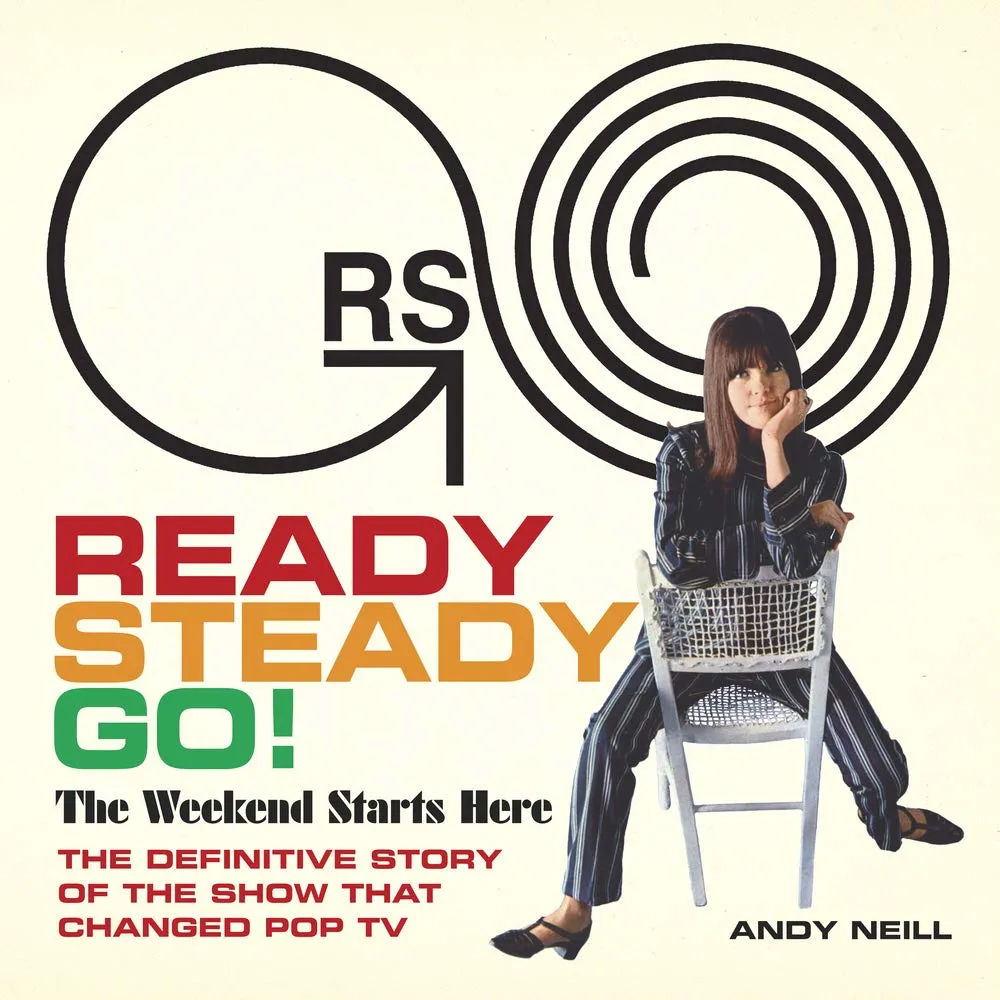 Photo: Ready Steady Go!, via bestclassicbands.com
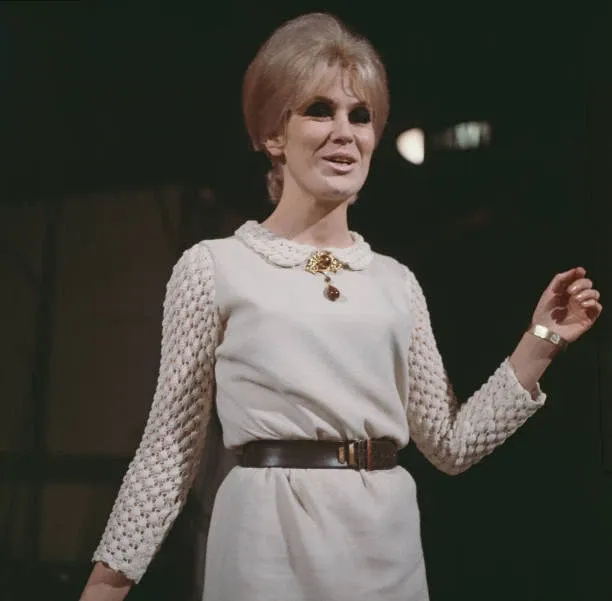 Photo: Dusty Springfield, via www.picclickimg.com
"My grandson set the speaker up for me," she says, laughing. "He thought I'd use it to check the weather. I use it for music, constantly. I've rediscovered artists I hadn't thought about in forty years."
Margaret is not an anomaly. She is part of a quietly remarkable wave of older British music listeners who are not merely tolerating digital platforms but actively inhabiting them — hunting down forgotten B-sides, following YouTube channels dedicated to vintage variety television, and building Spotify playlists with a curatorial instinct honed over decades of serious listening.
What the Numbers Actually Say
The music industry has a blind spot the size of a continent when it comes to listeners over 65. Marketing budgets chase the 18-34 demographic with the single-minded focus of a greyhound after a mechanical hare. Streaming platform interfaces are designed by twenty-somethings who assume that anyone born before the moon landing is probably still working a gramophone.
And yet the data keeps telling a different story. RAJAR figures have consistently shown that older listeners are among the most engaged radio audiences in Britain, and research from bodies including the Music Consumers Insight Report has pointed to the over-55 age group as among the highest per-capita spenders on recorded music and live events. The over-70s, specifically, tend to have disposable income, time, and — crucially — emotional investment in music that runs extraordinarily deep.
When you've carried a song with you for fifty years, when a particular melody is woven into the fabric of a marriage, a bereavement, a first job, or a long drive down the A1 in a car that smelled of cigarettes and hope, your relationship with that music is not casual. It is not background noise. It is autobiography.
The Rediscovery Effect
One of the most striking things about older listeners navigating streaming platforms for the first time is what happens when the algorithm, almost accidentally, gets it right. David, 77, from Shrewsbury, describes the moment Spotify's autoplay served him a track by Helen Shapiro he hadn't heard since 1963.
"I just sat there," he says quietly. "It wasn't sadness exactly. It was more like finding something you'd assumed was gone forever."
This experience — call it the rediscovery effect — is something streaming platforms have barely begun to monetise or even acknowledge. The emotional charge carried by music from formative years is well documented in research on memory and ageing. Music from adolescence and early adulthood lodges in a part of the brain that remains accessible even when other memories fade. For older listeners, a streaming platform is not merely a jukebox. It is, potentially, a time machine.
And word is spreading. Community groups, library digital literacy sessions, and informal kitchen-table tutorials from grandchildren are all playing a role. Age UK has reported growing demand for basic smartphone and tablet training, and music keeps coming up as a primary motivating factor. People want to learn how to use these devices because they want to get back to the music.
What the Industry Keeps Getting Wrong
Despite the evidence, the music industry's relationship with its older audience remains weirdly dismissive. Streaming platform design frequently prioritises visual busyness over clarity. Playlist recommendation engines are calibrated toward novelty rather than depth. The assumption, baked into most digital product development, is that older users are passengers rather than drivers — people who might accidentally find themselves on a platform rather than people who have chosen to be there.
There's also a live music problem. When major artists do tour and cater to older audiences — think the perennial success of acts like Elton John's farewell run or the enduring theatre circuit that sustains artists from the 60s and 70s — the demand is invariably enormous. But the infrastructure around those events frequently fails older attendees. Poor sight lines, inadequate seating, punishing ticket interfaces, and venues that assume everyone can stand for two hours in a press of bodies all contribute to an experience that can feel exclusionary rather than welcoming.
 Photo: Elton John, via www.nme.com
The artists who do get it right — who communicate directly with older fans, who tour theatres rather than arenas, who don't treat a seated audience as somehow less committed than a standing one — tend to build a loyalty that younger demographics rarely match.
Alexa, Play Something I Used to Love
The smart speaker deserves a particular mention here, because it has arguably done more to reconnect older British music lovers with streaming than any other single piece of technology. The absence of a screen, the voice interface, the sheer simplicity of saying "play Cilla Black" and having it happen immediately — these things matter enormously when the alternative is navigating a smartphone app with small text and confusing iconography.
For many over-70s, the smart speaker is the gateway drug to broader digital music engagement. Once you've experienced the ease of it, the idea of exploring further — finding a tablet, asking a grandchild to show you Spotify, discovering that YouTube contains essentially the entire archive of British popular music television — becomes less intimidating.
Margaret, back in Huddersfield, puts it plainly. "I feel like I've got my music back," she says. "Not someone else's version of what I should be listening to. Mine. The stuff that actually means something to me."
The music industry would do well to listen. This is not a demographic in decline. It is a demographic that has been waiting, patiently, for someone to build them a door worth walking through.