The Double Life: Britain's Part-Time Session Players Keeping Live Music Breathing
The Monday Morning Musicians
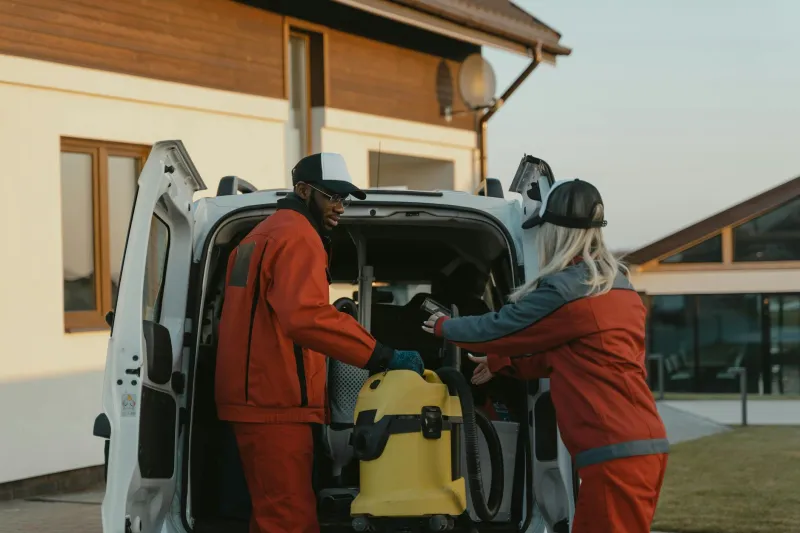
At 7:30 AM on a drizzly Tuesday in Manchester, Dave Hartley parks his van outside the primary school where he's taught Year 4 for the past twelve years. The back of his vehicle contains a drum kit that, just eighteen hours earlier, was thundering through classic rock covers at a wedding reception in the Peak District. By Thursday evening, those same drums will be backing a function band at a corporate event in Leeds.
 Photo: Peak District, via images.squarespace-cdn.com
Dave represents a hidden army of British musicians—the part-timers, the moonlighters, the passionate amateurs who keep live music alive while maintaining sensible day jobs. They're teachers and electricians, office workers and plumbers, united by their willingness to sacrifice weekends, evenings, and sleep for the chance to play music professionally.
"People assume session work is just for full-time musos," Dave explains, loading his kit through the school's back entrance. "But most of us have mortgages and families. The session work pays for our gear and gives us the musical outlet we need, but it's the teaching that keeps food on the table."
The Economics of Musical Passion
The financial mathematics of part-time session work reveal both its appeal and its limitations. A competent guitarist might earn £100-200 for a wedding gig, £80-150 for a function band evening, or £50-100 for backing a local singer-songwriter. For musicians with day jobs, these amounts represent meaningful supplemental income—enough to justify the equipment investment, practice time, and logistical complications.
But the economics only work because these musicians aren't relying solely on performance income. The true cost of professional musicianship—high-quality instruments, reliable transport, insurance, and the unpaid hours spent rehearsing and travelling—would make session work financially unviable as a sole income source for most players.
"I probably break even most months," admits Sarah Chen, a marketing executive who spends her weekends playing keyboards for wedding bands across the Home Counties. "But breaking even while doing what you love beats making money doing something that leaves you empty."
The Skill Set Divide
Part-time session musicians occupy a unique position in Britain's musical ecosystem. They're significantly more skilled than typical amateur players—most can sight-read, transpose keys instantly, and adapt to different musical styles within the same performance. Yet they lack the full-time availability and industry connections of professional session players.
This creates a distinct market niche. Wedding bands, tribute acts, and local function groups need reliable, competent musicians who can learn material quickly and perform consistently. They can't afford London session rates, but they require standards well above amateur level.
"We're the musical middle class," jokes Tom Richardson, a software developer who plays bass for three different bands around Birmingham. "Too good for the pub jam nights, not quite good enough for the studio sessions with major artists. But perfect for the Saturday night wedding circuit."
The Network Effect
Successful part-time session players typically build their careers through word-of-mouth recommendations and local music scene connections. A reliable drummer who shows up on time, learns the material, and doesn't create drama becomes a valuable commodity in regional music circuits.
These musicians often juggle multiple commitments simultaneously—playing with a covers band on Friday nights, backing a singer-songwriter on Saturdays, and filling in for an absent band member on Sundays. The scheduling requires diplomatic skills almost as important as musical ability.
"My phone's always buzzing with gig offers," says Manchester-based guitarist Lisa Murphy, who works as a NHS administrator during weekdays. "The trick is knowing which bands pay promptly, treat you professionally, and don't expect you to learn forty songs for a £60 gig."
The Creative Compromise
While part-time session work provides musical outlet and supplemental income, it rarely offers significant creative satisfaction. Most gigs involve playing familiar covers, backing other people's songs, or performing material chosen by committee to maximise commercial appeal.
For musicians with compositional ambitions or artistic vision, this represents a fundamental compromise. The session work funds their musical equipment and maintains their performance skills, but it doesn't advance their creative development.
"Sometimes I feel like a jukebox with arms and legs," reflects keyboard player James Morton, who teaches secondary school music while gigging three nights per week. "But those moments when the band clicks, when the audience responds, when everything comes together—that's what keeps me loading the car every weekend."
The Changing Landscape
Britain's part-time session scene faces mounting pressures that threaten its sustainability. Rising fuel costs make travelling to distant gigs increasingly expensive. Equipment prices continue climbing while gig fees remain largely static. Venues are cutting live music budgets or switching to DJ-only entertainment.
The COVID-19 pandemic particularly impacted this community. While full-time professional musicians could access government support schemes, part-time players fell between categories—too amateur for music industry assistance, too professional to ignore the lost income.
"I lost about £3,000 in cancelled gigs during lockdown," remembers drummer Mike Foster, who combines session work with his job as an electrician. "That might not sound like much, but it represented my entire music equipment budget for two years."
The Digital Disruption
Streaming services and backing track technology pose long-term challenges to live session work. Some venues now prefer solo performers using sophisticated backing tracks to full bands requiring multiple fees and more complex logistics. Wedding couples increasingly opt for playlist-based celebrations rather than live music.
Yet paradoxically, the same technology that threatens traditional session work has created new opportunities. Online collaboration tools allow part-time musicians to contribute to recording projects remotely. Social media helps build personal brands and direct client relationships.
"I get more session work through Instagram than through traditional music networks now," notes bassist Emma Thompson, who balances teaching with weekend gigs. "Couples planning weddings can see videos of us performing, hear our sound quality, get a sense of our personality. It's democratised the booking process."
The Personal Cost
The double life of part-time session musicians exacts tolls that financial calculations cannot capture. Weekend gigs mean missing family events, social gatherings, and simple relaxation. The physical demands of loading equipment, late-night performances, and early Monday mornings accumulate over time.
Relationships suffer particular strain. Partners who initially support musical ambitions may grow tired of cancelled plans, late arrivals, and the constant background presence of practice schedules and gig commitments.
"My wife jokes that she's married to a musician who pretends to be a teacher," laughs guitarist Paul Stevens. "But there's truth in that. The music takes up headspace even when I'm not playing. I'm always thinking about the next gig, the next song to learn, the next piece of gear I need."
The Community Connection
Despite the challenges, Britain's part-time session players provide essential connective tissue in the live music ecosystem. They bridge the gap between amateur and professional, maintaining performance standards while remaining economically accessible to smaller venues and events.
They also preserve musical traditions and skills that might otherwise disappear. Many are accomplished sight-readers, experienced in multiple genres, capable of musical problem-solving that younger, more specialised players lack.
"We're the keepers of musical craft," suggests veteran session player and driving instructor Bob Clarke. "The kids coming up are brilliant at their chosen style, but they can't necessarily adapt when the bride requests something completely different halfway through the first dance."
The Future of the Double Life
Whether Britain's part-time session scene can survive current pressures remains uncertain. Rising costs, changing entertainment preferences, and generational shifts in both musical skills and career expectations all pose challenges.
Yet the fundamental human desire for live music, for authentic performance, for the irreplaceable energy of musicians and audience sharing the same space, suggests that some form of this community will persist. The exact shape may evolve—perhaps more online collaboration, different payment models, novel performance formats—but the essential role will remain.
For now, the alarm clocks will keep ringing on Monday mornings, the gear will keep getting loaded into cars every weekend, and Britain's musical double agents will continue their essential work of keeping live music alive, one wedding, one function, one session at a time.