Voices in the Void: How Britain's Local Radio Lost Its Soul to Spreadsheets and Algorithms
When Radio Meant Something
There was a time when switching on your local radio station felt like joining a conversation with an old friend. The presenter knew your town's quirks, could pronounce the local street names correctly, and understood that the traffic report needed to include the notorious roundabout that turned into a car park every morning at half-past eight.
That intimacy has largely vanished from Britain's commercial radio landscape, replaced by something far more efficient but infinitely less human. The transformation hasn't happened overnight—it's been a gradual strangulation of local character, executed through boardroom decisions that prioritised profit margins over community connection.
For those who lived through radio's golden age of local personality, the current state of commercial broadcasting represents nothing less than cultural vandalism.
The Great Consolidation
The rot began with seemingly sensible business logic. Why employ dozens of local presenters across multiple stations when one charismatic voice could be broadcast to several regions simultaneously? Why maintain expensive local studios when technology allowed remote broadcasting from centralised hubs?
Global Radio's systematic acquisition of local stations epitomised this approach. Heart, Capital, and Smooth became brands rather than places, their local identities dissolved into homogeneous formats designed to maximise advertising revenue across demographic segments. The breakfast show that once featured local councillors discussing parish issues was replaced by celebrity gossip and nationwide phone-ins.
"We went from being the voice of our community to being just another playlist delivery system," reflects former BBC Radio Leicester presenter Mike Harrison, who watched his commercial competitors lose their local character one by one. "The connection between broadcaster and listener became a marketing exercise rather than a genuine relationship."
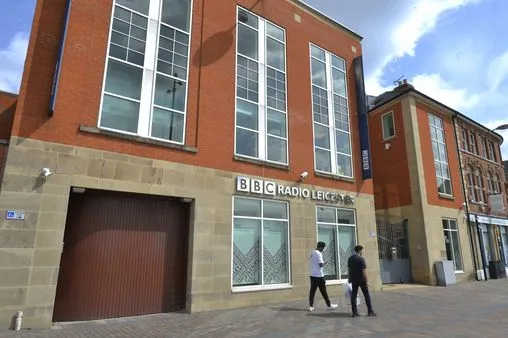 Photo: BBC Radio Leicester, via i2-prod.leicestermercury.co.uk
The regulatory framework that enabled this transformation remains controversial. Ofcom's relaxation of local content requirements and ownership restrictions opened the floodgates for consolidation, justified by arguments about economic efficiency and industry sustainability. Critics argue that these changes fundamentally misunderstood radio's role in British cultural life.
The Human Cost
Behind the corporate restructuring lay thousands of individual tragedies—experienced presenters made redundant, local newsrooms closed, specialist music programmes axed to make way for networked content. The knowledge and relationships these broadcasters had built over decades simply evaporated.
Sarah Mitchell spent fifteen years as a drive-time presenter for a Yorkshire commercial station before automation replaced her evening slot. "I knew my listeners' stories," she remembers. "I'd played songs at their weddings, announced their charity events, helped them through difficult times. When they replaced me with a computer-generated voice reading out dedications, something essential died."
The loss extended beyond individual careers to community infrastructure. Local radio stations had served as informal civic centres, promoting local events, supporting charity campaigns, and providing platforms for community debate. When programming became networked, these functions simply disappeared.
The Algorithm's Embrace
Modern commercial radio operates on principles that would horrify earlier generations of broadcasters. Sophisticated algorithms determine playlist rotation, ensuring that popular tracks receive optimal exposure while minimising listener tune-out. Focus groups and demographic analysis replace the intuitive programming skills that once defined great radio.
The result is undeniably effective at delivering consistent audience figures and advertiser-friendly environments. But it's also sterile in ways that quantitative research struggles to capture. The magical moments—when a presenter's spontaneous comment sparked community conversation, or when a perfectly-timed song choice touched individual listeners—have been systematised out of existence.
"Radio used to be about taking risks, playing hunches, connecting with people in real-time," argues former commercial radio executive David Pearson. "Now it's about avoiding mistakes, minimising variables, and delivering predictable outcomes. The soul of the medium has been sacrificed for operational efficiency."
Communities Left Behind
The human impact of radio's transformation is most visible in Britain's smaller communities. Market towns that once had their own commercial stations now receive generic regional programming that might as well be broadcast from Mars. Local businesses struggle to reach their customers through advertising that feels disconnected from community life.
In Dorset, retired teacher Helen Woodward remembers when her local commercial station provided a genuine sense of shared experience. "During the foot-and-mouth crisis, our presenter became like a community coordinator, sharing information, offering support, helping farmers and residents stay connected. The replacement service doesn't even mention our county name."
The loss is particularly acute during local emergencies or significant community events. Automated systems cannot respond to breaking news with the speed and sensitivity that local presenters once provided. The station that might have coordinated community response to flooding or celebrated local sporting achievements now plays the same rotation of hits regardless of circumstances.
The BBC's Impossible Position
As commercial radio retreated from genuine localism, pressure increased on BBC local radio to fill the void. But public service broadcasting faces its own constraints—limited budgets, competing priorities, and political pressure to demonstrate value for money. BBC local radio serves larger geographical areas than many former commercial stations, making truly local coverage challenging.
The irony is palpable: the BBC, often criticised for crowding out commercial competitors, now provides the most local radio content in many areas simply because commercial operators have abandoned the field.
Digital Promises and Practical Realities
Proponents of radio consolidation argue that digital platforms have democratised broadcasting, allowing anyone to create online radio content for local audiences. Community radio stations, podcast networks, and social media have indeed created new opportunities for local voices.
But these alternatives lack the reach, reliability, and cultural authority that traditional radio once possessed. A Facebook group discussing local issues cannot replicate the shared experience of an entire community listening to the same programme simultaneously.
The Road Back?
Reviving genuine local commercial radio would require regulatory courage that seems unlikely in the current political climate. Forcing station owners to reinvest in local programming would increase costs and potentially threaten commercial viability. Creating new licensing opportunities for truly local operators faces resistance from existing broadcasters protecting their market positions.
Some innovative models offer hope. Internet radio stations serving specific communities have emerged, often run by volunteers with day jobs but genuine passion for local broadcasting. However, these operations typically lack the resources and consistency to match traditional radio's impact.
The Silence Where Voices Used to Be
Perhaps the saddest aspect of local radio's decline is how normalised it has become. Younger listeners have never experienced radio as a genuine community medium, accepting playlist-driven content as the natural state of broadcasting. The rich tradition of local radio personality—the presenters who became local celebrities, trusted voices, and community advocates—exists now mainly in the memories of older listeners.
The efficiency gains from radio consolidation are undeniable, but they've come at an incalculable cultural cost. Britain's communities have lost more than local radio programming; they've lost a shared voice, a common reference point, and a medium that once made even the largest cities feel like neighbourhoods.
Whether that loss can ever be recovered remains an open question, but the silence where local voices used to be grows more profound with each passing year.