Half a Room, Full Effort: The Unglamorous Craft of the British Support Act
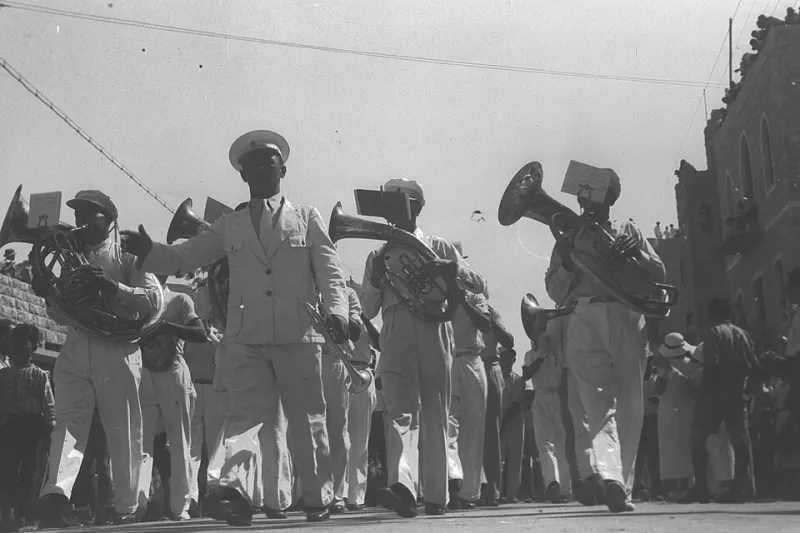
Photo: Zoltan Kluger, Public domain, via Wikimedia Commons
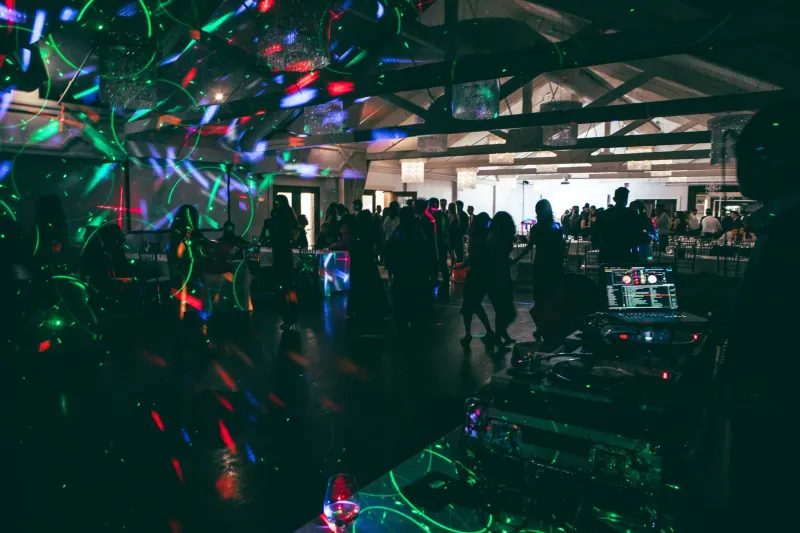
At eight o'clock on a wet Thursday in a 300-capacity room in Nottingham, four people from Sheffield walk on stage in front of maybe forty others, half of whom are still taking their coats off. They have twenty-five minutes. By the time they unplug, they will either have turned a room of strangers into something warmer, or they will have played their best songs to a bar queue.
Nobody reviews that half hour. The words get written about the headliner, the photos go up the next morning, and the opening act is a blurred shape at the edge of the frame, caught mid-chorus in a song nobody in the picture knows.
Which is odd, because the support slot is where British live music actually happens. It's the apprenticeship, the shop window and the talent pipeline all at once — and it is currently treated, by almost everyone except the people doing it, as a piece of admin.
The arithmetic nobody puts on the poster
Start with the money, because the money explains the rest of it. A support fee in a mid-sized UK venue can sit anywhere between a round of drinks and just enough to cover the van, the parking and a service-station sandwich on the way home. Factor in fuel, strings, a rehearsal room at fifteen quid an hour and the fact that at least two of the band have taken annual leave to be there, and the opening slot is frequently a hobby with a stage attached.
Some promoters still run ticket-selling arrangements where the opener effectively underwrites their own appearance, which is a polite way of describing a system that quietly filters out anyone whose mates can't afford a tenner. Others pay properly, feed the band and put them on again — and those promoters will tell you, without much prompting, that it's cheaper to develop an audience than to rent one.
Ten minutes to change a room's mind
The craft of it is real, and it's not the same craft as playing your own headline set. The first song cannot be the one you're proudest of; it has to be the one that makes a stranger at the bar turn around. The second song buys you the third. Front-load the groove, save the slow one — or don't play it at all, because a room that's still arriving has no patience for a ballad it doesn't know.
Then there's the talking. Too much between songs and you're a comedian with a guitar; too little and you're a rehearsal with a lighting rig. The good ones read the room in the first ninety seconds and adjust: drop a song, change the order, cut the long intro, thank the headliner by name because it costs nothing and it lands every time.
The hardest part is understanding that the attention is borrowed. Nobody in that room is hostile. They simply haven't decided about you yet, and they're holding a pint, and the person they came to see doesn't come on for another hour. Winning them isn't about volume or charm. It's about being unmistakably, immediately worth looking up for.
What the promoter is actually buying
Ask anyone who books rooms for a living and they'll tell you the support act isn't only a musical decision. It's a room half-full at eight instead of empty at eight. It's thirty people who buy a pint each and might come back next month. It's a band that turns up at load-in, keeps off the headliner's backline, and clears the stage in ten minutes flat.
Tour managers have a similar list, and it rarely mentions talent. On time. Own gear. No drama. Doesn't need the headline act's drum kit unplugging. Knows when to be in the wings and when to be in the dressing room. The bands that get rebooked across a whole tour are almost never the flashiest ones — they're the ones nobody had to think about.
That's not a criticism of ambition. It's just how a small industry with thin margins keeps moving.
The apprenticeship we keep trying to skip
Every headliner on the circuit was once the band playing to forty people in a room with the lights half up. That's not nostalgia, it's the structure of the thing. The support slot is where you learn how to hold a crowd, how to play badly and recover, how to do twenty-five minutes when you've only got eighteen worth of songs.
Strip that away — treat the opener as filler, or as a ticketing scheme, or as an afterthought to be confirmed the week before — and the consequences arrive five years later, when the top of the bill looks thin and nobody quite knows why. Grassroots venues closing their doors don't just lose gigs; they lose the rooms where this particular education used to happen.
The bit nobody claps for
The most useful thing a support act can do, according to almost everyone I've spoken to about this, is stay and watch the headliner. Not for networking. For the lesson. You learn more from standing at the side of a stage watching a room respond to someone else than from any amount of time in a rehearsal studio.
So next time you're in a half-empty venue at eight o'clock and the band on stage is playing to the backs of thirty coats, give them the ten minutes. They've driven two hours for it. They've spent the day loading in. Somewhere in that set is the act you'll be paying forty quid to see in five years' time — and this is the only place that trade has ever been learned.