More Than a Shop: How Britain's Independent Record Stores Became the Living Rooms of Their Communities
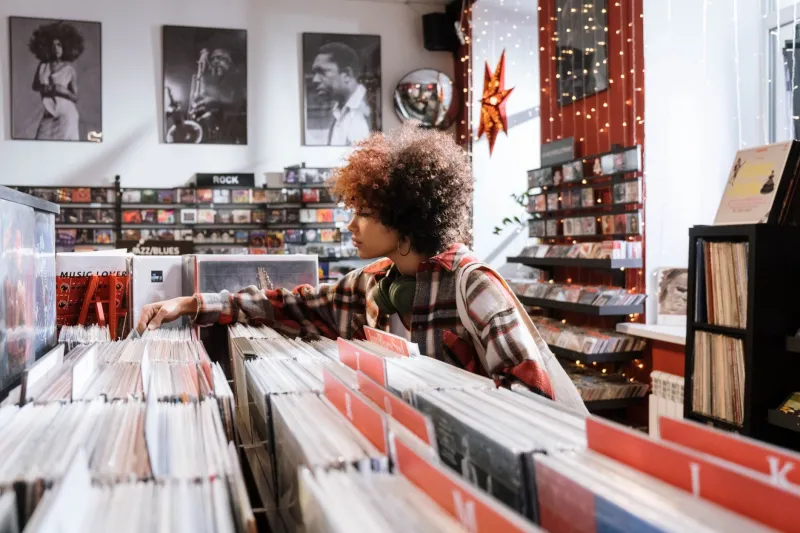
There's a particular kind of Saturday morning that only exists inside an independent record shop. The faint crackle of something playing on the in-store deck. Two strangers locked in quiet debate over a gatefold sleeve. A member of staff who knows your name, your taste, and exactly which new arrival you're going to lose your mind over. It smells of paper and possibility. And it's busier than it's been in twenty years.
For a format and a retail model that the music industry repeatedly declared dead, vinyl and the shops that sell it are having quite the moment. But to frame this purely as a commercial resurgence misses the more interesting story entirely. What's actually happened inside Britain's independent record shops over the past decade is something far more quietly radical — they've become community spaces in a way that most other retailers can only dream of.
From Transaction to Ritual
Ask anyone who shops regularly at their local indie record shop and the word that keeps coming up isn't product or purchase — it's ritual. For a lot of people, the Saturday morning browse has become something close to sacred. It's a reason to leave the house, to talk to someone who cares, to make a decision that can't be undone by an algorithm.
Shops like Resident in Brighton, Drift in Totnes and Piccadilly Records in Manchester have long understood that they're not really competing with Spotify. You don't walk into a record shop because you need music — you can get that anywhere, for almost nothing. You walk in because you want to feel something about music. That's a completely different transaction, and it's one that requires people, not playlists.
The staff are central to this. At the best independent shops, the team function less like retail assistants and more like trusted curators. They remember what you bought last time. They pull things from behind the counter because they knew you'd want to hear it. They'll talk you out of a purchase if they think you're buying something for the wrong reasons. That kind of relationship doesn't exist anywhere else in music retail, and it's genuinely irreplaceable.
Listening Parties and the New Social Fabric
One of the most striking developments in recent years has been the rise of in-store events — not just signings and performances, but proper listening parties. A new album gets played front to back, in full, to a room full of people who actually want to sit with it. No phones. No talking over the quiet bits. Just a shared experience of music doing what music is supposed to do.
These events have become genuinely popular in a way that probably surprised everyone involved. In an era where most people consume music through earbuds while doing something else entirely, there's an obvious hunger for something more intentional. Record shops have stepped into that gap almost by accident, and found that people are desperate for it.
Beyond the obvious music fans, these spaces have started attracting a much broader crowd. Younger people who grew up entirely on streaming and are encountering vinyl for the first time. Older customers who are rediscovering records they owned in the seventies. People who are simply lonely and looking for somewhere to belong on a Saturday afternoon. The record shop, of all places, has become one of the more quietly inclusive spaces on the British high street.
The Economics of Belonging
None of this is without its challenges. Running a small independent shop in 2024 means navigating pressing plant delays, rising rents, and a wholesale market that often feels stacked against the little guys. Record Store Day — that annual celebration of the format — brings genuine joy and real footfall, but it also creates pressures around limited editions and queuing logistics that can feel at odds with the relaxed community vibe these shops have worked hard to cultivate.
Many shops have diversified to survive. Coffee bars, secondhand sections, ticket agencies, rehearsal bookings — the modern indie record shop often has more revenue streams than a Swiss army knife. Some have started running DJ workshops or music discovery evenings. Others have partnered with local schools to run listening sessions for teenagers who've never owned a physical music format in their lives.
What's remarkable is that almost all of this has happened organically, driven by shop owners and staff who genuinely love music and want to share that love with their communities. There's very little corporate strategy involved. It's just people figuring out how to keep something they care about alive.
What the Algorithm Can't Give You
Streaming platforms are extraordinary things. The access they provide to music is genuinely staggering — more songs than any human being could listen to in a thousand lifetimes, available instantly, anywhere. Nobody serious is arguing against their existence.
But they are profoundly lonely. You can spend years on Spotify and never have a conversation. Never be challenged. Never be told that the thing you think you want isn't actually what you need right now. The recommendation engine learns your habits and reflects them back at you, which is useful but also quietly deadening. It confirms rather than expands.
A good record shop does the opposite. It pushes back. It surprises. It introduces you to people who care about the same things you do and then leaves you to get on with it. That's not something you can replicate with a better algorithm, however smart it gets.
The Shops That Stayed
There's something worth acknowledging about the shops that made it through the lean years — the late nineties download panic, the 2008 recession, the pandemic. The ones that survived did so because their communities kept them alive. Regulars who bought records they didn't strictly need. People who came in just to chat and ended up leaving with something tucked under their arm. Local musicians who used the shop as a de facto notice board and meeting point.
That loyalty wasn't accidental. It was the product of years of genuine investment in relationships — of staff who remembered your name, of owners who stocked things because they believed in them rather than because they were guaranteed sellers, of spaces that felt welcoming rather than transactional.
Britain's surviving independent record shops are, in their own modest way, a masterclass in community building. They didn't set out to become cultural anchors. They just kept doing what they loved, for people who loved it too. And somewhere along the way, that turned out to be exactly what people needed.