In the Dark: The Lighting Engineers Who Give Britain's Live Music Its Soul
In the Dark: The Lighting Engineers Who Give Britain's Live Music Its Soul
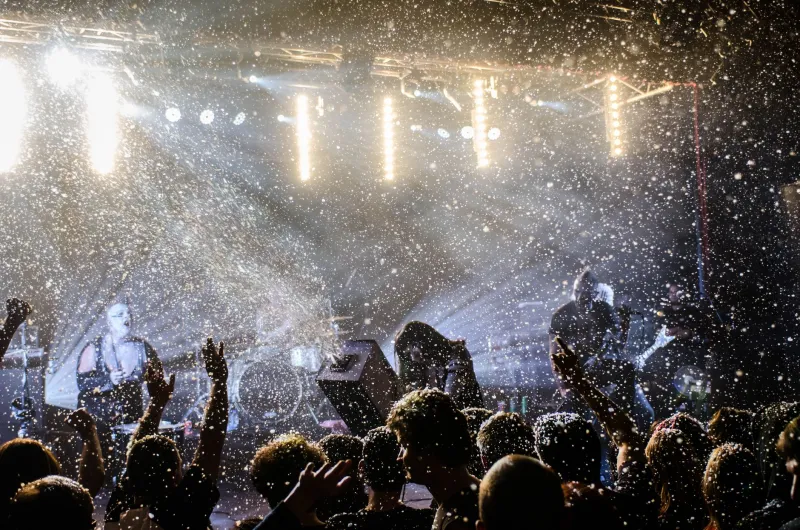
The moment happens at about forty-five minutes into the set. The guitarist drops into the opening riff of the slow one — the one everyone knows, the one that makes people stop talking and turn towards the stage. And precisely as the first chord lands, a single warm amber wash falls across the singer, the house lights dip fractionally, and the room changes. Not just visually. Physically. You feel it in your chest.
The band didn't do that. Not entirely. The lighting engineer did that.
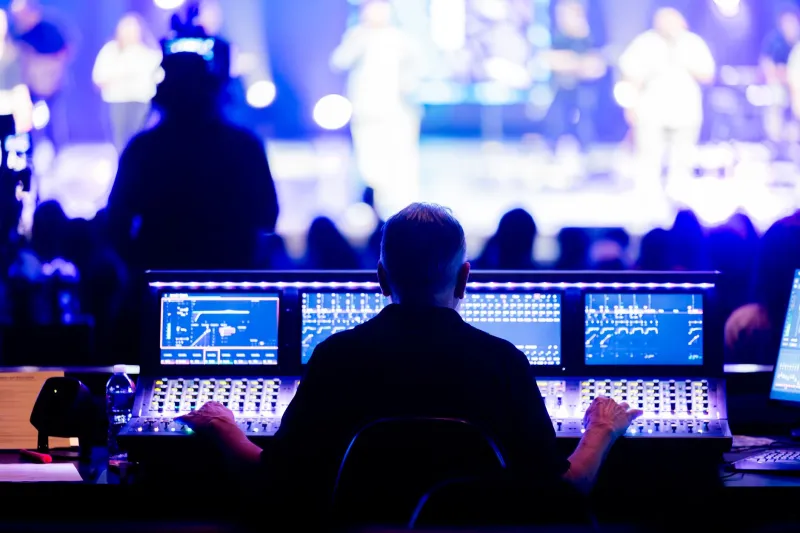
Somewhere at the back of the room, probably behind a pillar or squeezed into a corner the venue design forgot about, someone just made a decision — a split-second read of the music, the room, and the emotional temperature of the audience — and executed it with the kind of precision that looks effortless because it's been practised hundreds of times. Nobody noticed. Nobody was supposed to notice. That's the job.
The Invisible Craft
If you asked most gig-goers to name a lighting engineer they'd seen work, you'd get blank looks. Ask them to describe a moment at a live show where the lighting was genuinely extraordinary — where the visuals and the music fused into something that felt almost cinematic — and most of them can recall at least one, often with surprising specificity.
The craft exists in that gap. Lighting engineers are, by the nature of their work, successful only when they're invisible. When the lighting is right, you don't think about the lighting. You think about the music. The moment you start thinking "that's a clever lighting choice," something has gone slightly wrong.
This invisibility is professionally frustrating in ways that don't apply to most other roles in live music. Sound engineers at least get occasional mentions in reviews. Producers get credited on records. Lighting technicians tend to appear, if at all, in the small print of a touring show's technical rider.
What the Job Actually Involves
Rob has been working as a lighting engineer on the British live circuit for over two decades. He started in pub venues in the East Midlands, moved up through theatre work, and now splits his time between mid-size touring productions and occasional festival work. He is precise, quietly passionate, and slightly exasperated by how few people understand what his job actually requires.
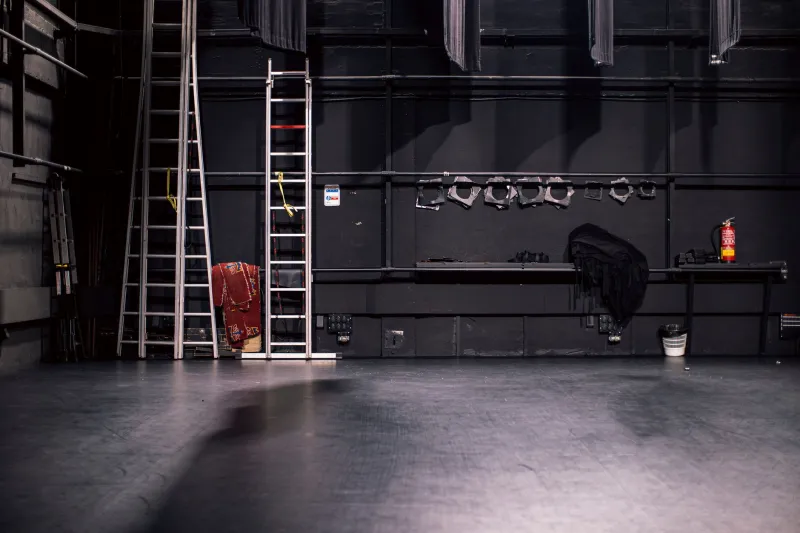
 Photo: East Midlands, via c8.alamy.com
"People think it's like operating a disco," he says. "Press a button, flash a light. But good lighting is about reading music in real time and responding to it. You need to understand structure — verse, chorus, bridge, breakdown. You need to know when a song is about to peak before the audience does. And you need to feel the room."
The physical dimension of the job is also consistently underestimated. Rigging a lighting setup for a touring show involves working at height, often in poor conditions, frequently against the clock. Get-ins — the process of loading in and setting up a show before doors open — can start at eight in the morning for an eight o'clock show, and the rig has to be perfect before the first punter arrives. Get-outs, afterwards, often run past midnight. Then there's the drive to the next venue.
For engineers working smaller venues — the 200-capacity rooms, the community theatres, the arts centres that form the backbone of Britain's live music infrastructure — the resources are considerably more limited. A single moving head, a handful of PAR cans, and a basic desk are often all there is to work with. The skill required to make that equipment feel like enough is, if anything, greater than what's needed in a well-equipped large venue.
Musical Instinct as Technical Skill
The best lighting engineers talk about music the way musicians do. They discuss tension and release, dynamics, the difference between a song that builds and one that drops. Many of them play instruments. All of them listen — obsessively, analytically — to the music they're working with.
Sarah, who works primarily on theatre productions and occasional touring shows across the North of England, describes the preparation process as not unlike learning a score. "I'll spend hours with a recording before I touch a desk. I'm mapping the emotional journey of the show. Where does the energy peak? Where does it go quiet and intimate? Where does the audience need to feel something shift?"
 Photo: North of England, via www.visitnortheastengland.com
This musical intelligence is rarely acknowledged in job descriptions or pay grades. Lighting engineers are typically classified as technical crew rather than creative contributors, a distinction that has practical implications for everything from rates of pay to creative credit. The work is classified as support rather than authorship, even when the lighting design is, objectively, part of what makes a show work.
What Budget Cuts Are Doing to the Craft
The economics of live music in Britain have been under severe strain for years, and lighting budgets are among the first things to go when venues start cutting. The rise of automated LED rigs — pre-programmed systems that run sequences without a human operator — has accelerated this trend. Many smaller venues now operate entirely without a dedicated lighting engineer, relying on a generic show file that cycles through the same sequences regardless of what's happening on stage.
The results, to anyone who has experienced genuinely responsive live lighting, are dispiriting. The lights flash on the beat regardless of whether that's appropriate. The colour changes happen on schedule rather than in response to the music. The room never quite transforms the way it should.
"You can tell immediately," says Rob. "When there's no one on the desk, the show feels flat. The music is there, the sound might be good, but something is missing. The room doesn't breathe."
The irony is that audiences notice the absence even when they can't name it. Feedback from live shows consistently references atmosphere as a critical factor in whether an event felt special or merely competent. Atmosphere is not accidental. It is designed, in real time, by someone sitting in the dark at the back of the room.
Giving Credit Where It's Long Overdue
There's a growing conversation within the live industry about recognising the creative contributions of technical crew more formally — in programmes, in reviews, in the way venues talk about their productions. It's a conversation that's been happening slowly for a long time, and change has been modest.
But perhaps the more immediate thing is simpler than structural reform. It's just paying attention. Next time you're at a gig and the lights do something that makes the hairs on your arms stand up, take a moment. Look towards the back of the room. There'll be someone there, probably barely visible, watching the stage with the focused intensity of someone who cares enormously about something most of the room will never consciously register.
They're the reason the room felt the way it did. They deserve to know you noticed.