Reels, Rhythms and Real Community: How Britain's Indie Cinemas Became Accidental Music Venues
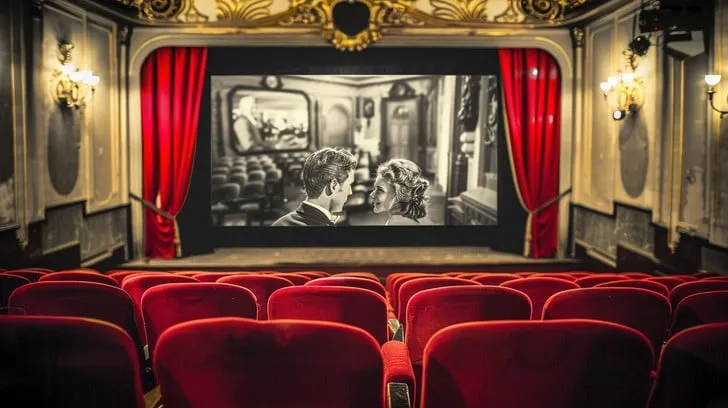
Photo: vintage independent cinema interior with stage lighting UK, via images.stockcake.com
Reels, Rhythms and Real Community: How Britain's Indie Cinemas Became Accidental Music Venues
There's something genuinely strange about watching a double bass player tune up in front of a cinema screen still showing the tail end of the Pearl & Dean adverts. Strange, but also — if you've been lucky enough to witness it — kind of wonderful. Across Britain, a quiet revolution is happening inside some of the country's oldest and most cherished independent cinemas. Faced with rising costs, shrinking distributor margins and the long shadow of streaming, these places are doing something unexpected: they're becoming music venues.
Not by accident, exactly. But not entirely by design either.
The Economics of Empty Seats
Let's be honest about why this started. Running an independent cinema in 2024 is, financially speaking, a bit like trying to keep a candle lit in a gale. The big chains can absorb the losses that come with a slow Tuesday. The little places — the single-screen gems tucked into market towns, the art deco survivors clinging on in seaside resorts — they can't. Every empty seat is a problem.
"We were dark three nights a week," says the manager of a 200-seat independent in the East Midlands who'd rather not be named for fear of upsetting his distributors. "You can only screen a film so many times before the audience has seen it. So we started thinking about what else the space could do."
What the space could do, it turned out, was host music. Brilliant, intimate, properly atmospheric music. The acoustics in older cinema buildings — those high ceilings, the plush seating, the sheer enclosed warmth of the place — translate surprisingly well to live performance. A jazz quartet sounds extraordinary in a room designed to carry sound clearly to every corner. An acoustic singer-songwriter, perched on a stool in front of a velvet curtain, has a built-in theatricality that no pub backroom can match.
A Stage Nobody Planned For
The Electric Palace in Harwich — one of the oldest working cinemas in Britain, dating back to 1911 — has been hosting live music events for several years now, and the response from locals has been quietly overwhelming. Jazz evenings, folk nights, the occasional classical recital. The programming isn't flashy or trend-chasing. It's responsive to what the community actually wants.
This is the thing that keeps coming up when you talk to the people running these spaces: they didn't set out to become cultural hubs. They set out to pay the bills. But somewhere along the way, the music nights started drawing people who hadn't been inside the cinema in years. People who came for the gig and stayed to book tickets for the next film. People who brought their kids to a Sunday afternoon acoustic session and ended up becoming regulars.
"It changed who we were to the town," one cinema owner in the Welsh Borders told me. "Before, we were just the place you went to see films. Now we're somewhere people come to just... be. To spend an evening. That means something."
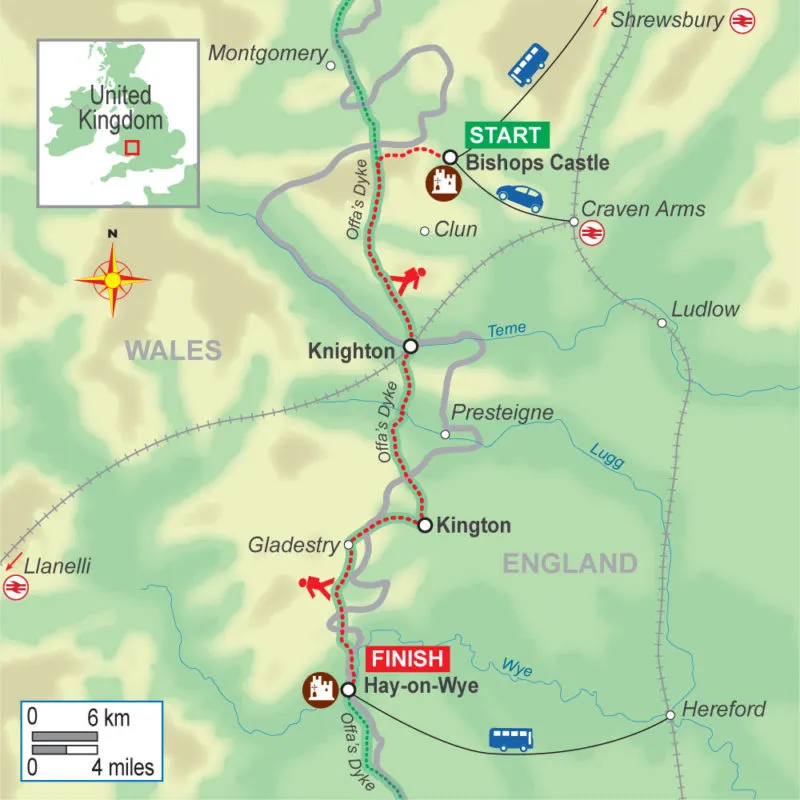 Photo: Welsh Borders, via www.onfootholidays.co.uk
The Musicians Who Found a Home
For local musicians, these venues are offering something that's become increasingly rare: a proper room. Not a pub corner with a PA system that sounds like it was rescued from a skip. Not an open mic night where you're competing with the fruit machine. A real stage, real acoustics, a real audience who've paid to be there and are sitting down, facing forward, actually listening.
Sarah, a jazz pianist from Bristol, played her first post-pandemic live date at a local independent cinema and describes it as a turning point. "The audience was so engaged. You could hear every note land. There was no background noise, no one chatting at the bar. It reminded me why I play."
That quality of attention is something musicians talk about again and again. Cinema audiences are trained, by years of habit, to be quiet and present. That cultural conditioning doesn't disappear just because there's a live band instead of a film. If anything, it creates a performance environment that most musicians would kill for.
The Post-Screening Set: A New British Ritual?
One of the more inventive formats emerging is the post-screening acoustic set — a short live performance that follows a thematically linked film. A documentary about a musician followed by a local artist covering their songs. A classic jazz film followed by a live quartet. A folk horror double bill rounded off with a set from a local folk act.
It sounds gimmicky on paper. In practice, it's become one of the most talked-about nights in the towns where it's happening. The programming requires thought and care — the cinema staff essentially become curators — but the reward is an evening that feels genuinely cohesive. You arrive for a film and leave having had an experience.
"We did a Joni Mitchell documentary followed by an acoustic set from a local singer who's been playing for thirty years," says one programmer in the North East. "Sold out. Standing ovation. People were in tears. You can't manufacture that."
Can It Last?
The honest answer is: only if the economics work out, and only if people keep showing up. These aren't charity operations. The music nights need to cover their costs — the hire of the room, the PA, the musician's fee — and ideally contribute something to the cinema's survival.
Some are managing it beautifully. Others are finding the margins too tight, the programming too labour-intensive, the competition from bigger venues too fierce. There's no blueprint here. Every cinema is making it up as they go, responding to their own community, their own budget, their own building.
But there's something in the model worth paying attention to. At a time when both live music and independent cinema are fighting for their lives, the idea that they might save each other — that a room designed for one art form might unexpectedly nourish another — feels like exactly the kind of creative resilience Britain does rather well when it has to.
The projector still rolls. The music still plays. And for the regulars who've made these unlikely evenings part of their lives, that's more than enough.