Life in the Slow Lane: The Invisible Army That Keeps British Music Moving
The 4 AM Brotherhood
The alarm goes off in darkness, as it has every morning for the past thirty years. Terry Mackenzie rolls out of his bunk in the crew bus, pulls on yesterday's work clothes, and checks his phone for the day's call sheet. Today it's Birmingham, tomorrow it's Glasgow, and next week it's somewhere else entirely. At sixty-two, Terry has spent more nights in motorway service stations than in his own bed, and he wouldn't have it any other way.
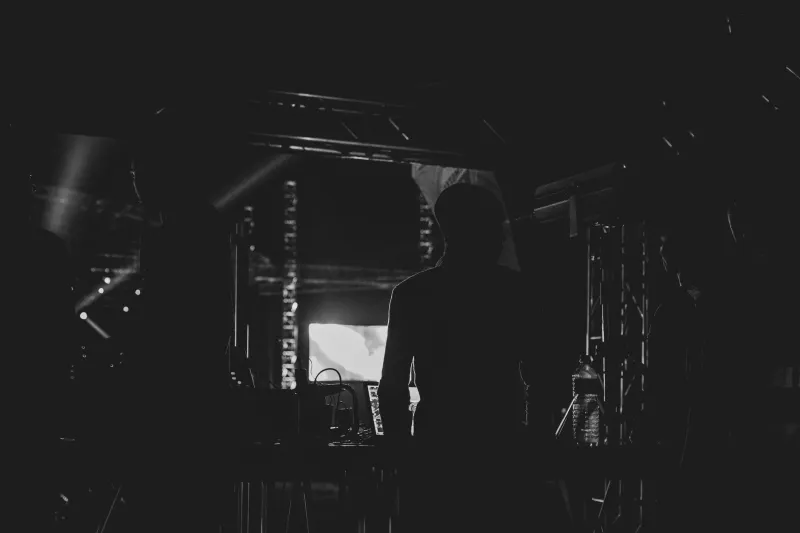
"People think we're mad," he says, threading cables through the bowels of the Birmingham NEC while the arena slowly transforms from an empty concrete shell into a cathedral of sound and light. "Living out of a bag, never knowing where you'll wake up, working eighteen-hour days for people who'll never know your name. But there's something about it that gets in your blood."
Terry is part of Britain's invisible touring army—the riggers, drivers, sound engineers, and roadies who make live music happen. While fans queue outside venues and artists prepare in dressing rooms, these men and women work in the shadows, turning empty spaces into temporary temples of entertainment. They're the first to arrive and the last to leave, and for many of them, the road isn't just a job—it's a calling.
The University of Hard Knocks and Heavy Lifting
There's no formal qualification for becoming a touring crew member. No university course in "Advanced Cable Management" or "Applied Transit Van Living." Instead, the industry runs on an apprenticeship system as old as the music business itself: you start at the bottom, carrying cases and coiling cables, and if you're lucky, dedicated, and can handle the lifestyle, you gradually work your way up.
"I started when I was seventeen, carrying guitars for a punk band from Coventry," remembers Sarah Walsh, now a front-of-house sound engineer with three decades of experience. "First tour, I thought I'd die. The van broke down twice, we ate nothing but service station sandwiches for a week, and I slept on more floors than I care to remember. But something about the camaraderie, the shared mission of making the show happen—it hooked me completely."
The learning curve is steep and unforgiving. New crew members quickly discover that technical knowledge is only part of the job. You need the diplomatic skills to handle temperamental artists, the problem-solving ability to jury-rig solutions when equipment fails, and the physical stamina to work through exhaustion. Most importantly, you need to understand that the show must go on, regardless of personal comfort or convenience.
"The audience doesn't care that the truck was delayed, or that half the crew has food poisoning, or that the venue's power supply is dodgy," explains lighting technician Mark Chen, who's worked with everyone from indie bands to stadium-filling superstars. "They've paid for tickets, and they expect magic. Our job is to deliver that magic, whatever it takes."
Life in Transit
The romantic notion of life on the road quickly gives way to practical realities. Home becomes a series of identical hotel rooms, crew buses, and service station car parks. Meals are grabbed between venue load-ins, relationships are conducted via phone calls from loading bays, and personal space is measured in square feet of bunk bed.
Yet for those who adapt to this nomadic existence, it offers freedoms that conventional employment can't match. "I've seen sunrise over Edinburgh Castle, sunset behind the Hollywood sign, and everything in between," says veteran tour manager Janet Morrison. "I've had conversations with interesting people in dozens of countries, solved problems I never knew existed, and been part of creating moments that people will remember for the rest of their lives."
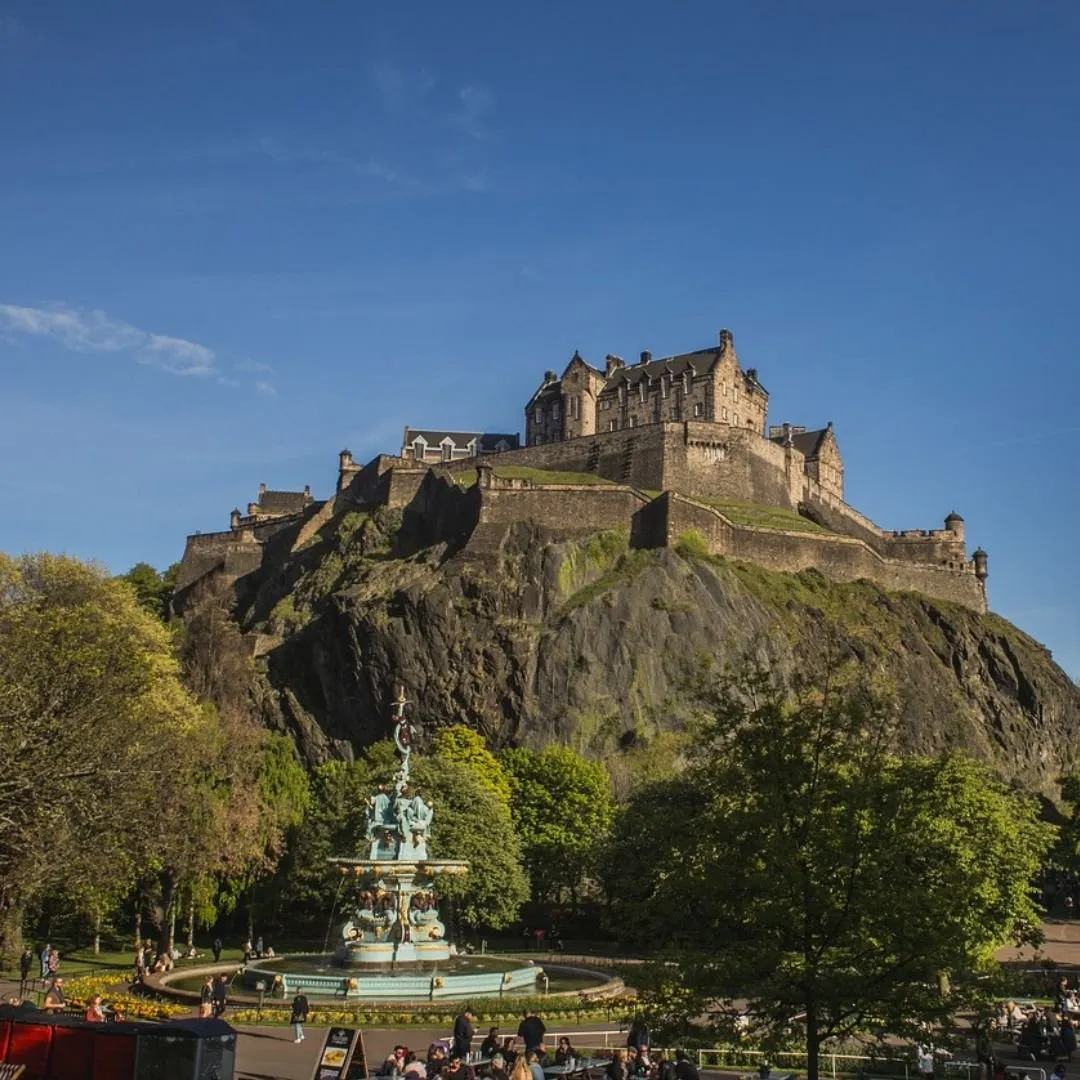 Photo: Edinburgh Castle, via images.squarespace-cdn.com
The touring crew develops its own culture, with rituals and traditions that help maintain sanity on long hauls. There's the sacred coffee run before load-in, the post-show debrief where the day's disasters become tomorrow's war stories, and the unspoken understanding that personal problems stay personal—the show comes first.
"We become a family, really," observes drum technician Paul Stevens, who's spent fifteen years maintaining the rhythmic heartbeat of major British tours. "You're living in each other's pockets, depending on each other for everything from technical expertise to emotional support. The bonds you form are unlike anything in regular employment."
The Economics of Invisibility
Despite their crucial role, touring crew members rarely enjoy the financial rewards that match their dedication. While headline artists command vast fees and management companies take healthy percentages, the people who actually make the shows happen often struggle to make ends meet. The work is seasonal and unpredictable, with feast-or-famine cycles that make financial planning nearly impossible.
"You might work solidly for six months, then have nothing for two," explains Walsh. "And when you're working, you're working—there's no sick pay, no pension contributions, no job security beyond the next tour. You do it because you love it, not because it makes financial sense."
The lack of employment protections becomes more acute as crew members age. The physical demands of the job—lifting heavy equipment, working long hours, sleeping in uncomfortable conditions—take their toll. Many find themselves facing a cruel irony: the experience that makes them valuable also makes them vulnerable, as younger bodies prove more capable of handling the rigours of constant touring.
When the Music Stops
The COVID-19 pandemic brought the touring industry to an abrupt halt, exposing the precarious nature of crew employment. While artists could pivot to streaming and virtual performances, the people who made live shows happen found themselves suddenly unemployed with few transferable skills and no safety net.
"Thirty years in the business, and overnight it was gone," recalls rigger Dave Thompson, who spent lockdown working construction jobs to pay the bills. "The government talked about supporting the arts, but they meant the artists, not the people who hang their lights and tune their guitars. We were invisible before the pandemic, and we stayed invisible during it."
The industry's slow recovery has been complicated by an exodus of experienced crew members who found alternative employment during the shutdown and chose not to return. This brain drain has created skills shortages just as touring resumes, forcing promoters to rely on inexperienced workers or postpone shows entirely.
"We lost a generation of knowledge," mourns veteran sound engineer Morrison. "People who'd spent decades learning their craft, building relationships, understanding the subtle art of making live music work—they're driving delivery trucks now, or working in warehouses. That expertise doesn't just come back when you flip a switch."
The Road Ahead
As the touring industry adapts to post-pandemic realities, questions remain about the future of crew culture. Younger workers, having witnessed the industry's vulnerability, are less willing to accept traditional employment terms. There's growing pressure for better working conditions, more stable employment arrangements, and recognition of crew members' crucial contribution to live entertainment.
"The old model of exploitation disguised as passion isn't sustainable anymore," argues Walsh. "If the industry wants experienced, dedicated crew members, it needs to treat them like professionals, not itinerant labourers who should be grateful for the privilege of carrying heavy things for famous people."
Some changes are already emerging. Progressive touring companies are experimenting with better accommodation, more reasonable working hours, and improved benefits packages. Technology is reducing some physical demands while creating new opportunities for skilled technicians. But the fundamental tension remains: how to maintain the flexibility and dedication that make great touring crews while providing the stability and security that make sustainable careers.
The Show Must Go On
Despite the challenges, uncertainties, and sacrifices, Britain's touring crews continue to answer the call. Every night, in venues across the country, they transform empty spaces into worlds of wonder. They're motivated not by recognition or financial reward, but by something harder to quantify: the satisfaction of craft mastery, the bonds forged through shared adversity, and the knowledge that their invisible labour creates visible magic.
"When the lights go down and the first chord rings out, when you see twenty thousand people lose their minds to something you helped create—that's when it all makes sense," reflects Terry Mackenzie, still coiling cables after three decades on the road. "We might be invisible to the audience, but we know what we've contributed. And tomorrow, we'll do it all again somewhere else."
As long as there are stages to build and shows to run, there will be people willing to live this peculiar life in service of live music. They'll sleep in tour buses and eat at motorway services, they'll solve impossible problems with limited resources, and they'll remain largely anonymous while enabling others' fame. They are the road crew, the invisible army, the unsung heroes who keep British music moving—one venue, one show, one perfectly placed spotlight at a time.