Nobody Claps the Line Check: The Hour That Decides How a British Gig Sounds
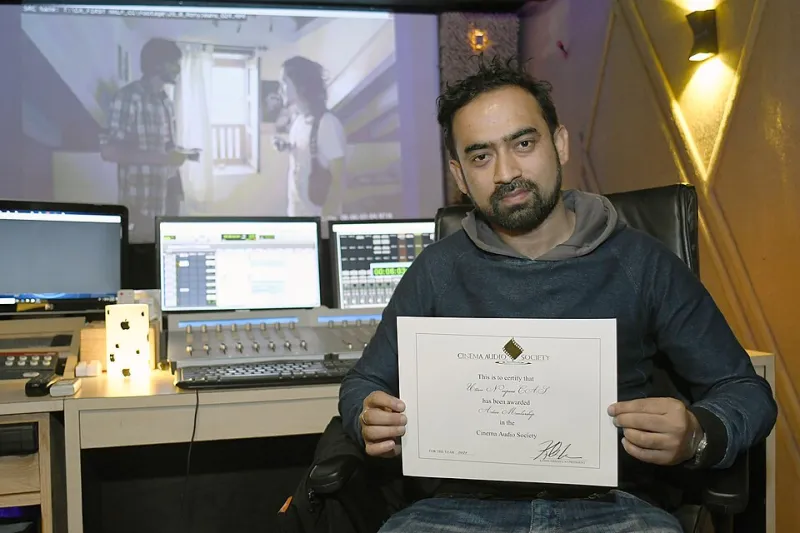
Photo: Anish Regmi,Ankit Khadgi, CC BY-SA 4.0, via Wikimedia Commons
There's a particular sound a British venue makes at four in the afternoon. A bass drum being hit every three seconds. A voice saying “one, two” into a microphone, then “and again, bit more in the wedge.” Someone in the balcony tapping a phone against a rail to check whether the room eats the top end. The house lights are fully up. The floor is still sticky from last night. Nobody is having a good time yet, and that's the point.
Soundcheck is usually described, when it's described at all, as the boring bit before the show. It isn't. It's the hour where the gig actually gets designed — where a room's quirks get negotiated with, a band's dynamics get translated into a PA, and a dozen small decisions get made that will determine whether the next two hours sound alive or flat.
The room always gets the first word
Every venue has an opinion. A low ceiling over the stage will trap the drums and push a boxy midrange into the first three rows. A high, vaulted roof will let the sound bloom and then hang around a beat too long. A converted church, a Victorian pub back room, a 1970s civic hall with a curved back wall: each one has a personality, and none of them can be argued with.
The engineer's first job is to find out what they're dealing with, and the empty room is a liar. Bodies absorb. A crowd of four hundred people will drink up the top end and soften the low mids, which means a mix that sounds bright and clear at half past four can turn muddy and distant by nine. The best engineers mix for the audience that isn't there yet, and then correct as the room fills.
What a line check actually is
Before any of that, there's the line check: every microphone, every DI, every channel, in order, one at a time. Kick, snare, hats, overheads, bass, guitars, keys, and then the vocals, which always take longest because a vocal mic in a small room is a negotiation between clarity and feedback.
It looks clerical. It's closer to triage. A dead channel found at four o'clock is a five-minute fix. The same fault discovered at half eight, with a full room and the support act already on, is a small disaster. Engineers talk about this in the language of logistics, but what they're really doing is buying themselves enough calm to make creative decisions later.
Monitors are where the diplomacy happens
The audience hears the front-of-house mix. The band hears the monitors, and the monitors are where the politics of a soundcheck live. One musician wants more of themselves. Another wants less of everybody else. A drummer who's been playing the same kit for fifteen years knows exactly what it should feel like under their hands and will not be talked out of it.
In-ear monitors have changed this, but they've also added a layer: a mix that's technically perfect can feel airless and isolated, and plenty of players still prefer the thump of a wedge behind them. Getting that right is part technical, part psychological. It's reading a person as much as a frequency response.
Decisions made in minutes, felt for hours
Time is the enemy. Support acts often get a fraction of the available window, sometimes sharing a backline, sometimes checking in ten minutes while the headline band's gear is still being wheeled in. Festival changeovers are tighter still, with the clock running and a stage manager holding a radio.
Within that window, the choices come fast. Which microphone suits this voice rather than the last one. Whether the guitar amp gets mic'd or sent down a line. How much compression the vocal needs before it stops disappearing. Whether to fight the room's boom or simply avoid triggering it. None of these are neutral. They define a sound as surely as the songwriting does.
The walk
At some point, the engineer leaves the desk and walks the room. Down the front, up the side, to the back by the bar, listening at head height where the audience will actually be standing. It's one of the least glamorous rituals in live music and one of the most important. A mix that's beautiful at the desk and thin at the back of the stalls isn't a mix; it's a guess.
Then comes the quiet bit everyone forgets. The stage is cleared. The house music goes on. Somebody checks the vocal one final time before doors, and a voice comes over the PA that nobody in the queue outside will ever think about.
Give the hour some credit
We've become good at celebrating the visible parts of a gig: the front person, the lighting moment, the encore. The hour before doors has none of that romance. It's a person in a dark room, listening, moving a fader by two decibels, and getting it right.
But it's creative labour all the same, and it's the reason a great band in a difficult room can still sound like themselves. Next time you walk into a venue and the first thing you notice is how good it sounds, remember that somebody spent the afternoon deciding that, one line check at a time.