When Home Was a Stranger's Spare Room: The Forgotten Network That Kept British Theatre Alive
The Last Supper at Mrs Henderson's
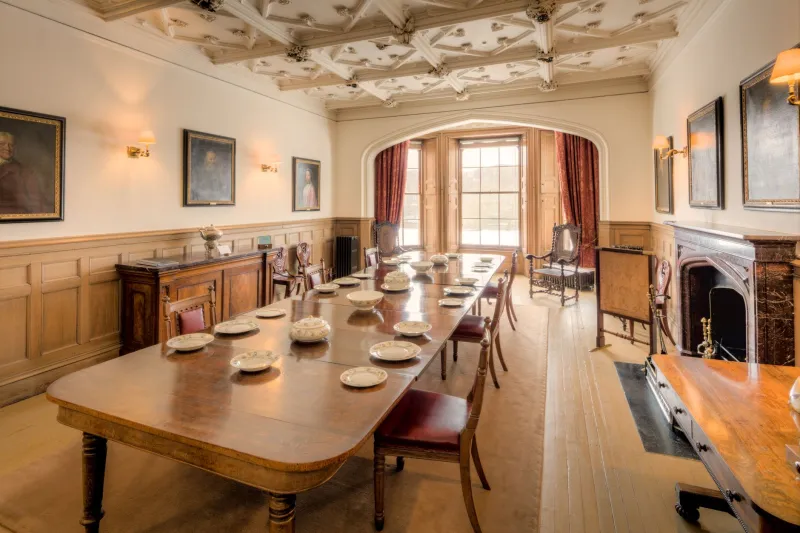
Every night at half past six, the dining table at 42 Cromwell Street would groan under the weight of proper home cooking. Mrs Henderson, a woman whose age remained diplomatically vague but whose Yorkshire puddings were legendary throughout the touring circuit, would call her 'children' down for tea. Tonight, like most nights in 1987, her spare rooms housed a peculiar family: a Shakespearean actor recovering from a disastrous Hamlet in Harrogate, two folk singers whose van had broken down outside Skipton, and a comedian whose material was fresher than his socks.
 Photo: 42 Cromwell Street, via excelstoneandtilecare.com
This was theatrical digs culture at its finest—a uniquely British institution that kept the country's entertainment industry beating with a human heart for over a century. From the music halls of the Edwardian era through to the alternative comedy boom of the 1980s, these landladies didn't just provide accommodation; they were therapists, critics, and surrogate mothers to generations of performers who spent their lives living out of suitcases.
"She'd know if you'd had a good show before you walked through the door," remembers Tommy Hartwell, a ventriloquist who spent forty years working the northern circuit. "Mrs Henderson could read faces like sheet music. Bad night? Extra pudding. Good review in the local paper? She'd have it laminated by breakfast."
The Architecture of Care
Theatrical digs weren't just spare rooms with clean sheets. The best landladies understood that performers needed more than accommodation—they needed a temporary home that could absorb the emotional rollercoaster of life on the road. These women, and they were almost exclusively women, developed an intuitive understanding of their guests' needs that no Premier Inn algorithm could ever replicate.
Mrs Gladys Morrison in Edinburgh kept a medicine cabinet that rivalled most pharmacies, stocked with everything from throat lozenges to stage makeup remover. In her immaculate guest book, spanning four decades, visiting performers left testimonials that read less like hotel reviews and more like love letters. "To Glad," wrote a touring musician in 1974, "who makes the road feel like coming home instead of running away."
The rooms themselves were shrines to the business. Faded photographs of previous guests lined mantelpieces, creating an informal hall of fame where tomorrow's stars shared wall space with yesterday's legends. These landladies collected stories like other people collected stamps, building vast archives of theatrical gossip, career advice, and industry wisdom that they dispensed alongside the morning tea.
The Economics of Kindness
Running theatrical digs was never a path to riches. Most landladies charged barely enough to cover their costs, viewing their role as part business venture, part public service. They understood that touring performers, particularly those starting out, operated on razor-thin budgets where the difference between a £15 and £25 room could mean the difference between eating properly and surviving on service station sandwiches.
"My mother never made money from the actors," recalls Sarah Chen, whose family ran digs in Blackpool for three generations. "But she always said they made her rich in other ways. Where else could a woman from a terraced house in Lancashire become confidante to West End stars and know all the industry gossip before it hit the papers?"
The landladies also provided an informal banking service, advancing money for costumes, lending small amounts to tide performers over between gigs, and occasionally writing character references for those seeking more permanent work. This financial flexibility was crucial in an industry where payment could be irregular and unexpected expenses—a torn costume, a broken guitar string, emergency travel—could derail an entire tour.
The Death Knell of Human Connection
The decline began in the 1990s as budget hotel chains expanded beyond city centres and motorway services into market towns and seaside resorts. Travelodge and Premier Inn offered standardised rooms, reliable Wi-Fi, and the kind of corporate consistency that touring companies' insurance policies preferred. What they couldn't offer was Mrs Henderson's sixth sense about when a performer needed to talk through a difficult show, or Mrs Morrison's ability to provide exactly the right kind of encouragement before an important audition.
"The bean counters won," says veteran comedy promoter Mike Sullivan. "Touring budgets got tighter, health and safety requirements got stricter, and suddenly a spare room in someone's house became a liability rather than a lifeline. We gained efficiency and lost soul."
The last generation of theatrical landladies found themselves competing not just with hotel chains but with Airbnb hosts who could charge premium prices to tourists while offering none of the specialist knowledge that made digs culture special. Many simply gave up, converting their guest rooms back into family space or renting to long-term tenants who paid better and complained less about the noise from late-night rehearsals.
What We Lost When the Lights Went Out
Today's touring performers navigate a landscape of identikit hotel rooms and anonymous rental properties, connected to their temporary homes only by digital check-in codes and Wi-Fi passwords. The informal mentorship network that digs culture provided—where experienced landladies could spot talent, offer career advice, and connect performers with local opportunities—has largely disappeared.
"You lose something fundamental when accommodation becomes just a transaction," reflects actress Janet Morrison (no relation to the Edinburgh landlady). "Those women were the memory banks of British entertainment. They'd seen every trend come and go, watched careers rise and fall, and they shared that wisdom freely. Now we're all just strangers passing through."
The impact extends beyond individual comfort to the broader health of regional theatre and live entertainment. Theatrical digs weren't just accommodation; they were cultural institutions that helped sustain touring circuits by making life on the road financially viable and emotionally sustainable for performers. Without them, the economics of small-scale touring become increasingly brutal, contributing to the centralisation of entertainment in major cities and the gradual emptying of cultural life from Britain's smaller communities.
As the last theatrical landladies hang up their keys and convert their guest books into scrapbooks, they take with them not just a service but a way of life that understood entertainment as fundamentally human business. In our rush toward efficiency and standardisation, we've lost something irreplaceable: the knowledge that sometimes the most important part of the show happens not on stage, but around a stranger's kitchen table, where temporary families form over proper tea and someone who understands the business asks the simple question that every performer needs to hear: "How did it go tonight, love?"